





Pico
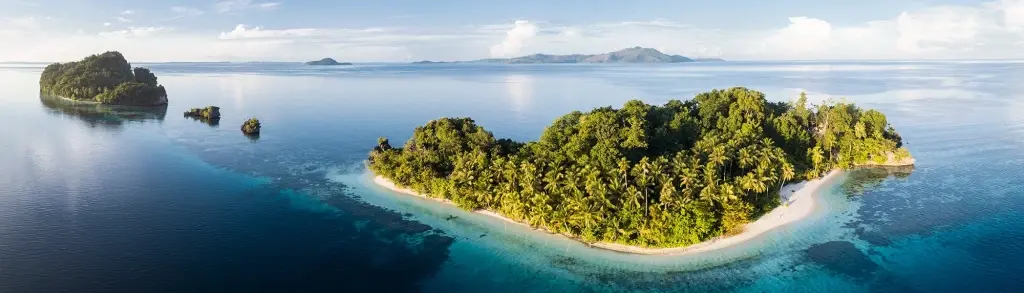
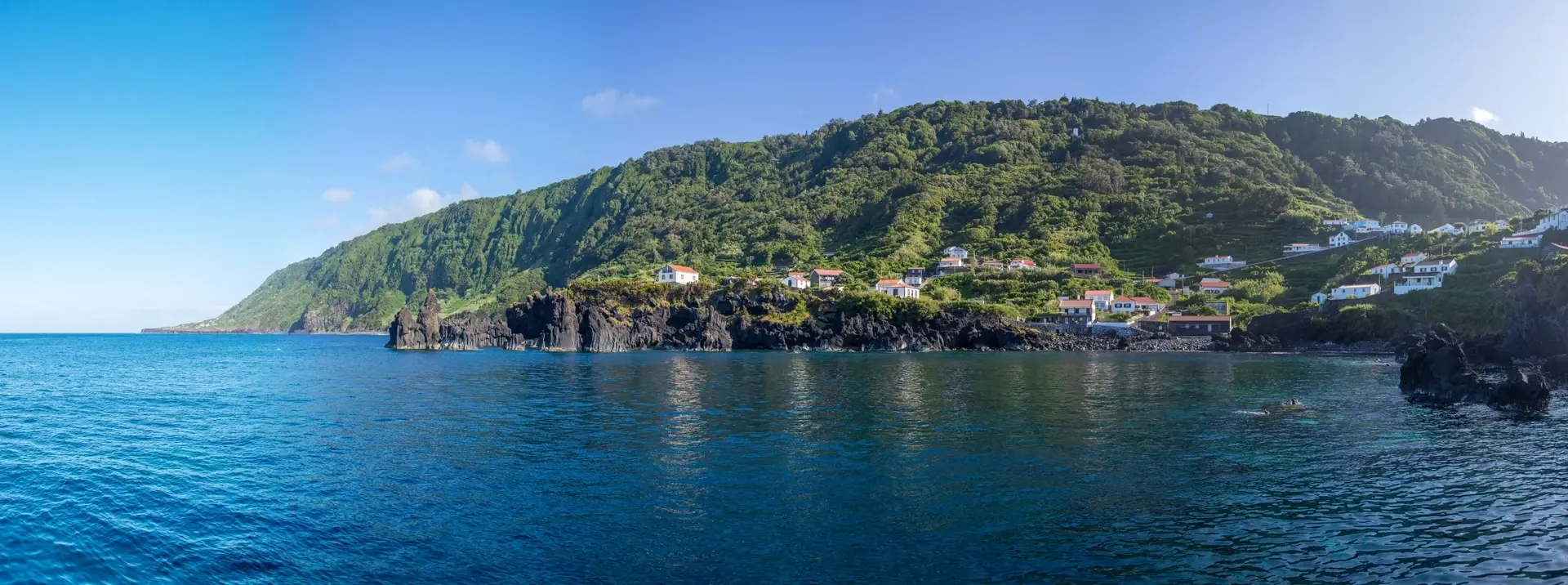
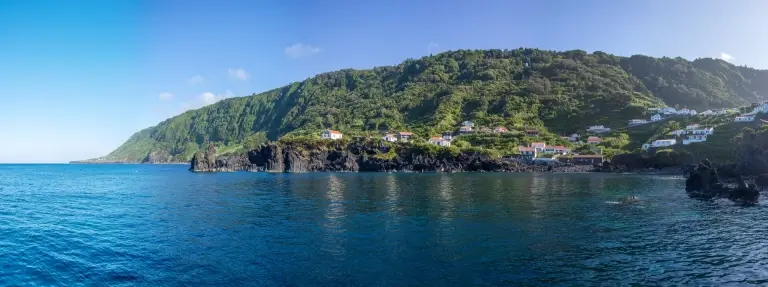
Rising dramatically from sea level to peak, Pico’s volcanic tip at 2351m dominates the beautiful land and seascape of the central island group.

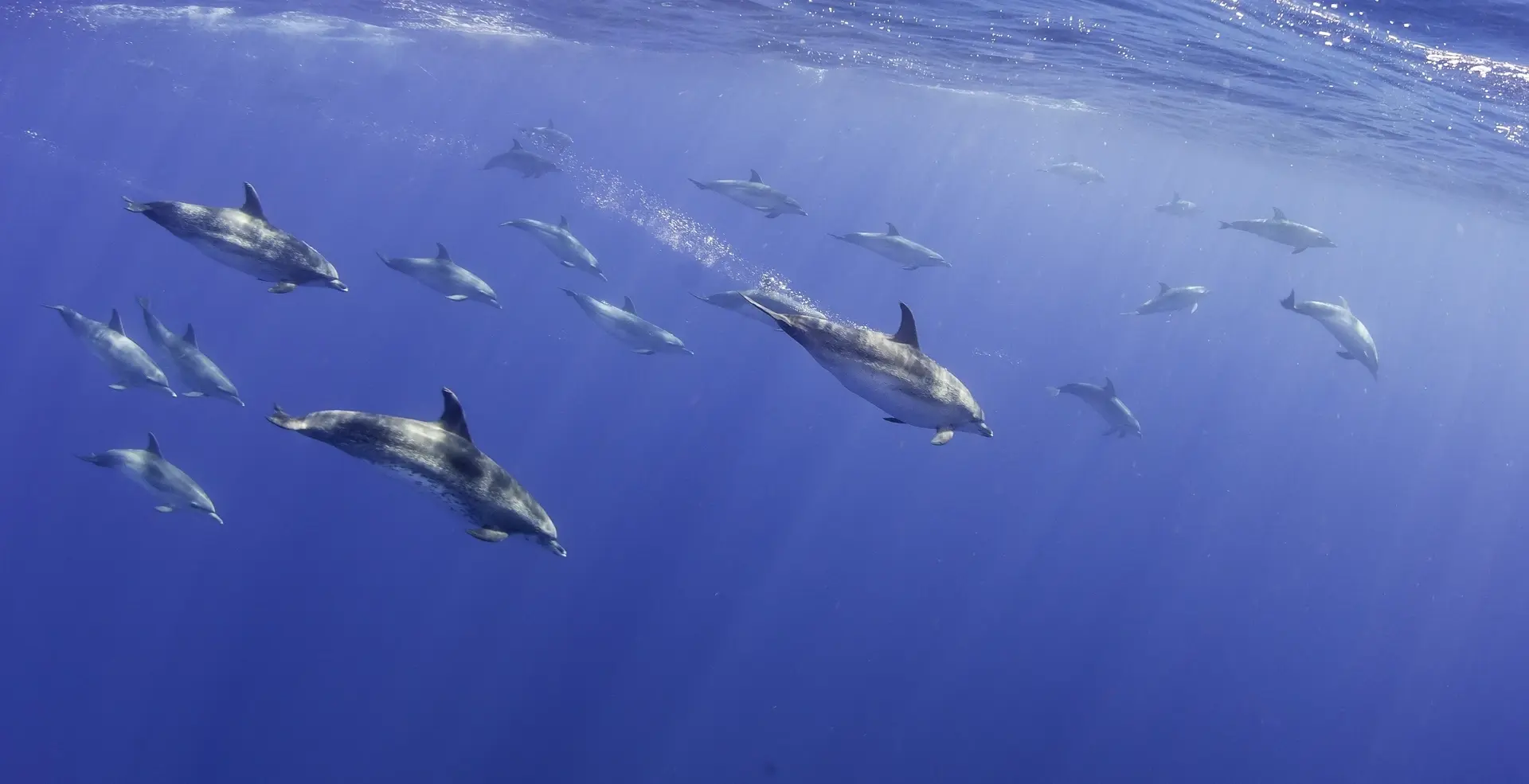
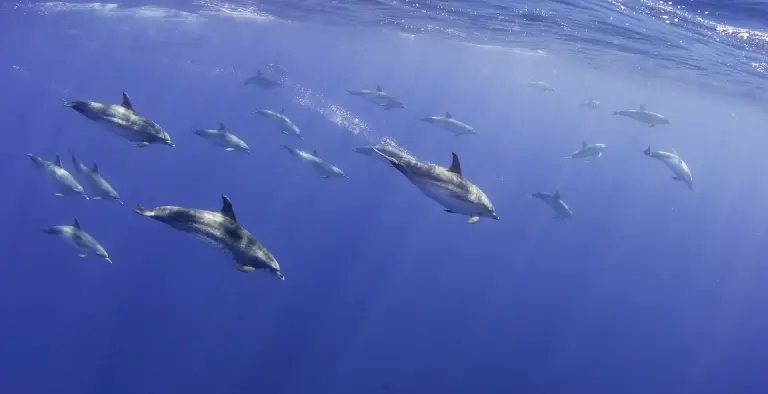
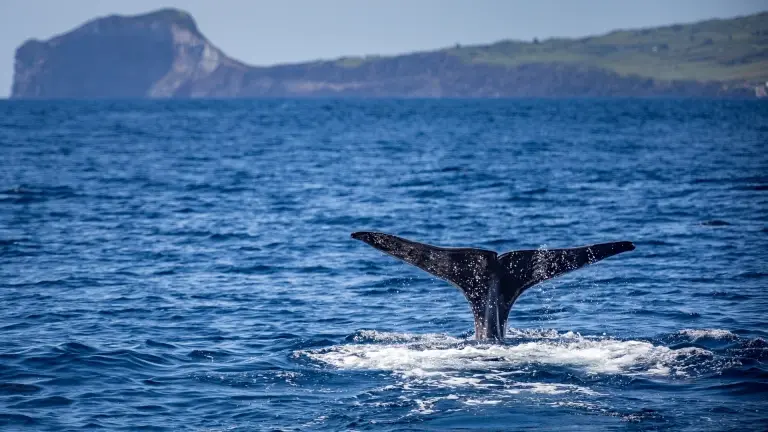
Rising dramatically from sea level to peak, Pico’s volcanic tip at 2351m dominates the beautiful land and seascape of the central island group. The island’s steep slopes continue underwater, and it is these deep waters close to the island’s shores that make Pico the diving, whale and dolphin spotting destination that it is.
42km long and 15km wide, the island is the second largest in the archipelago, with a population of around 15,000 people. The island lies close to Faial at around 4 nautical miles distance, and the Pico - Faial channel provide some fascinating diving spots.
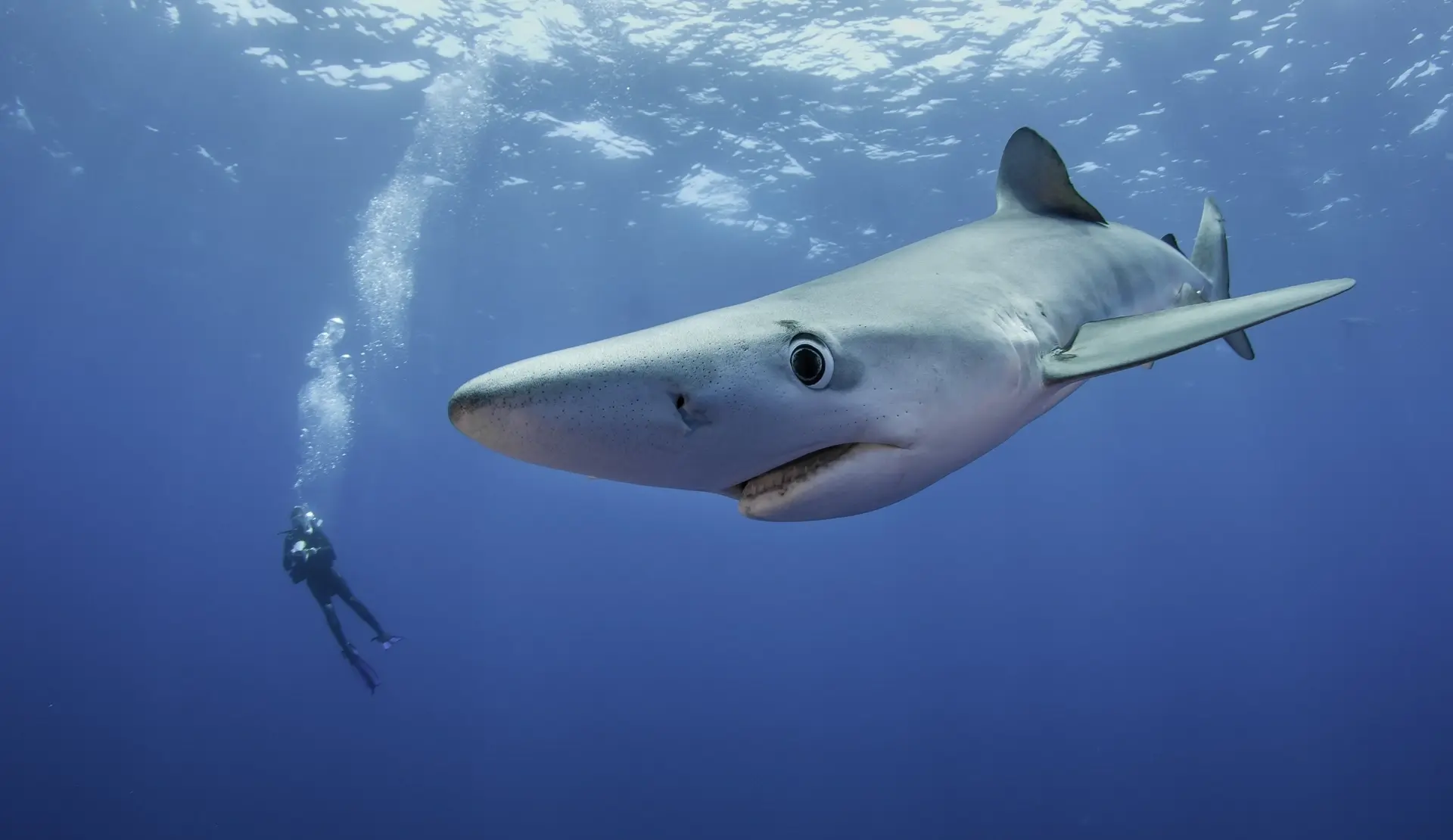
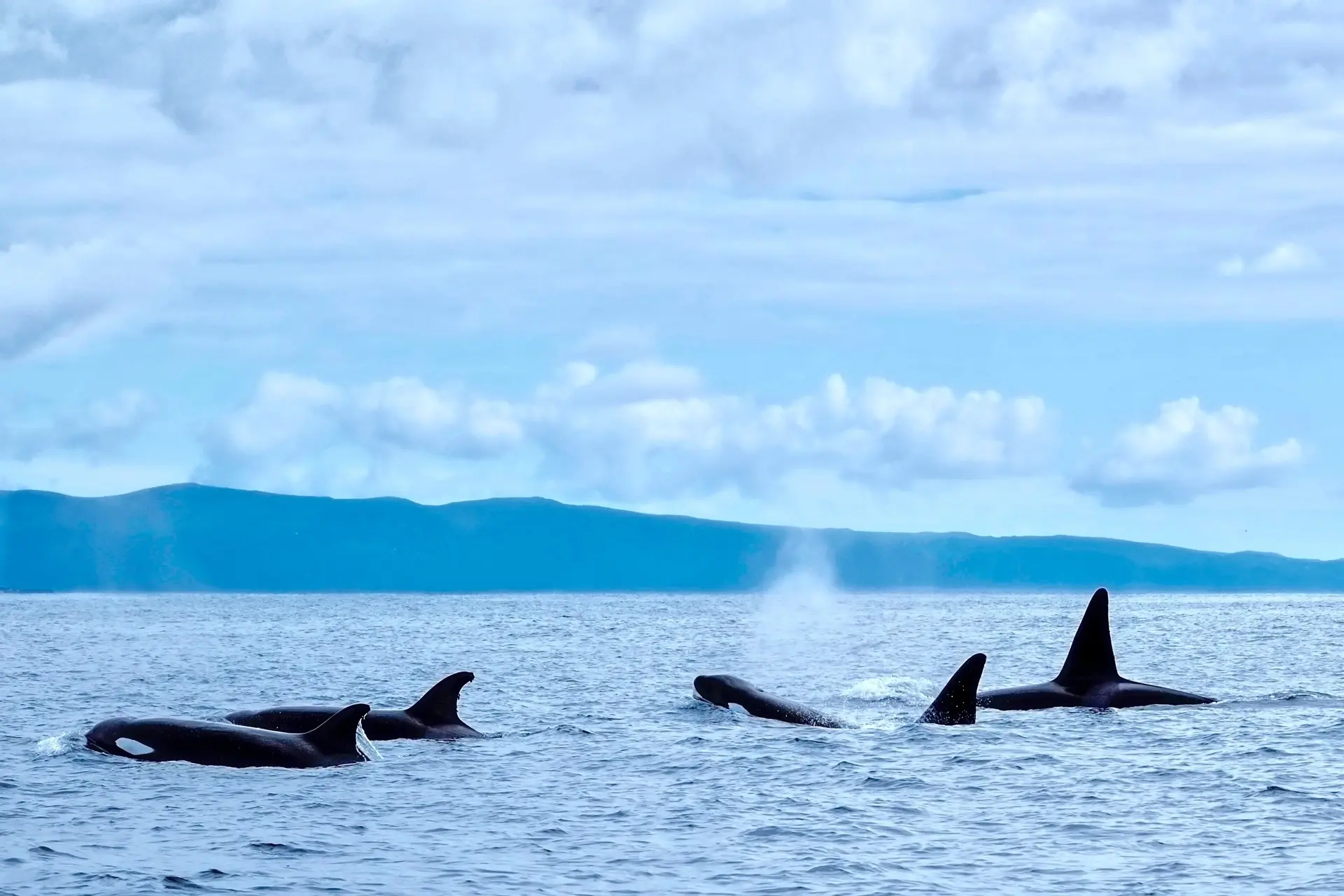
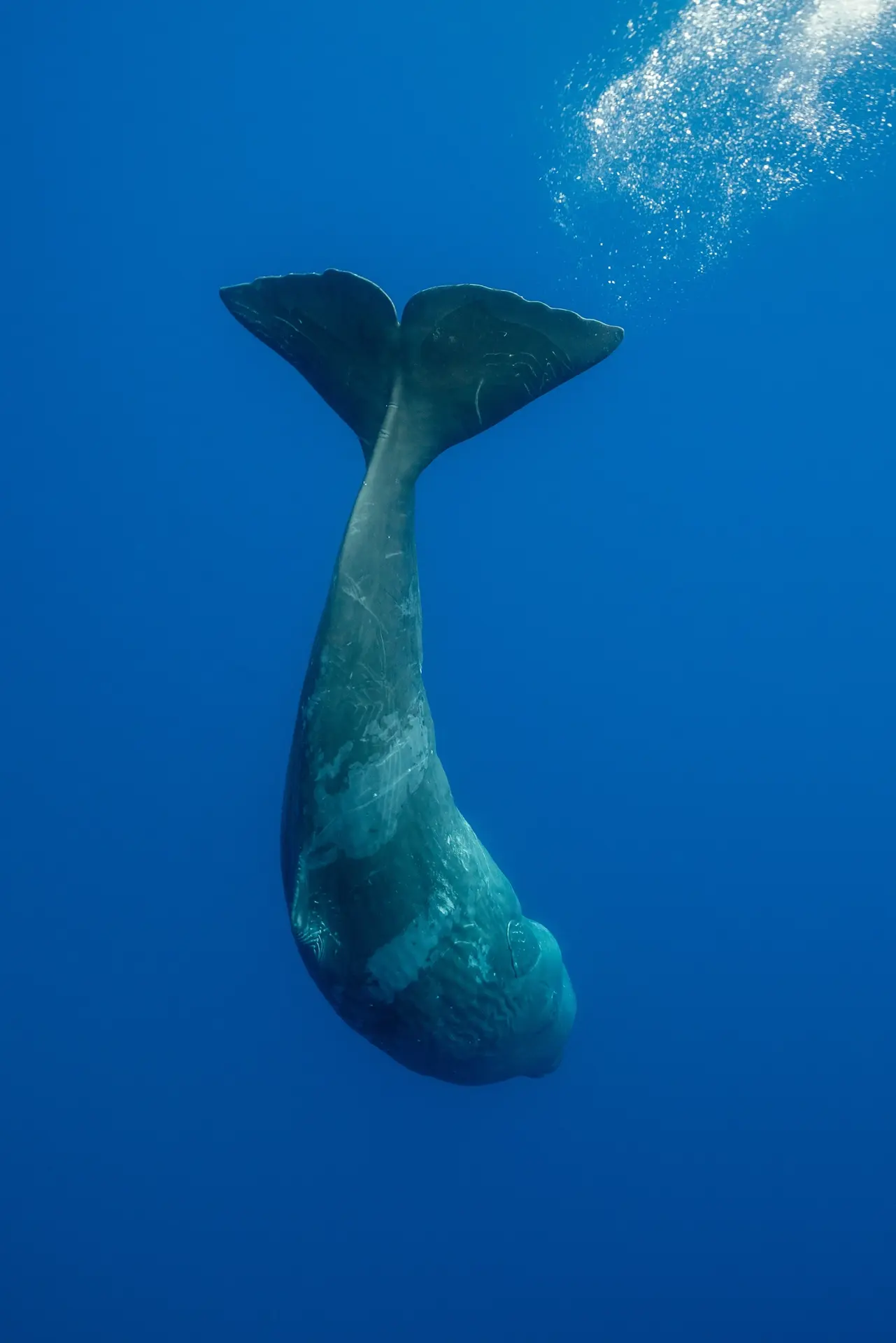
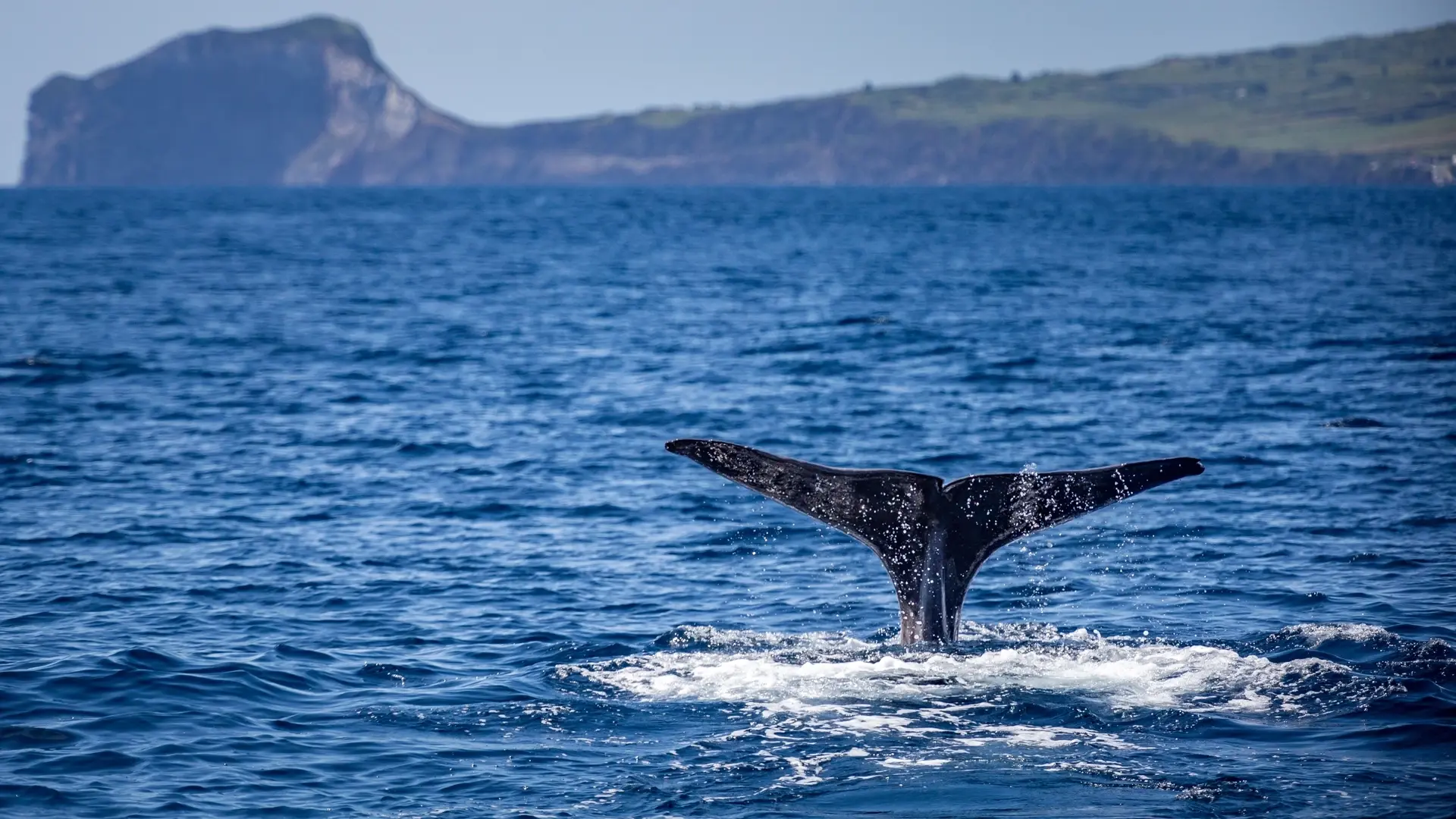
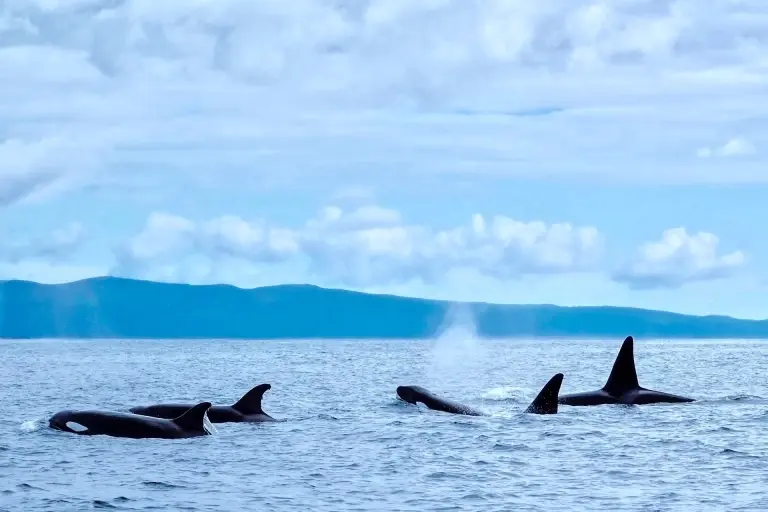
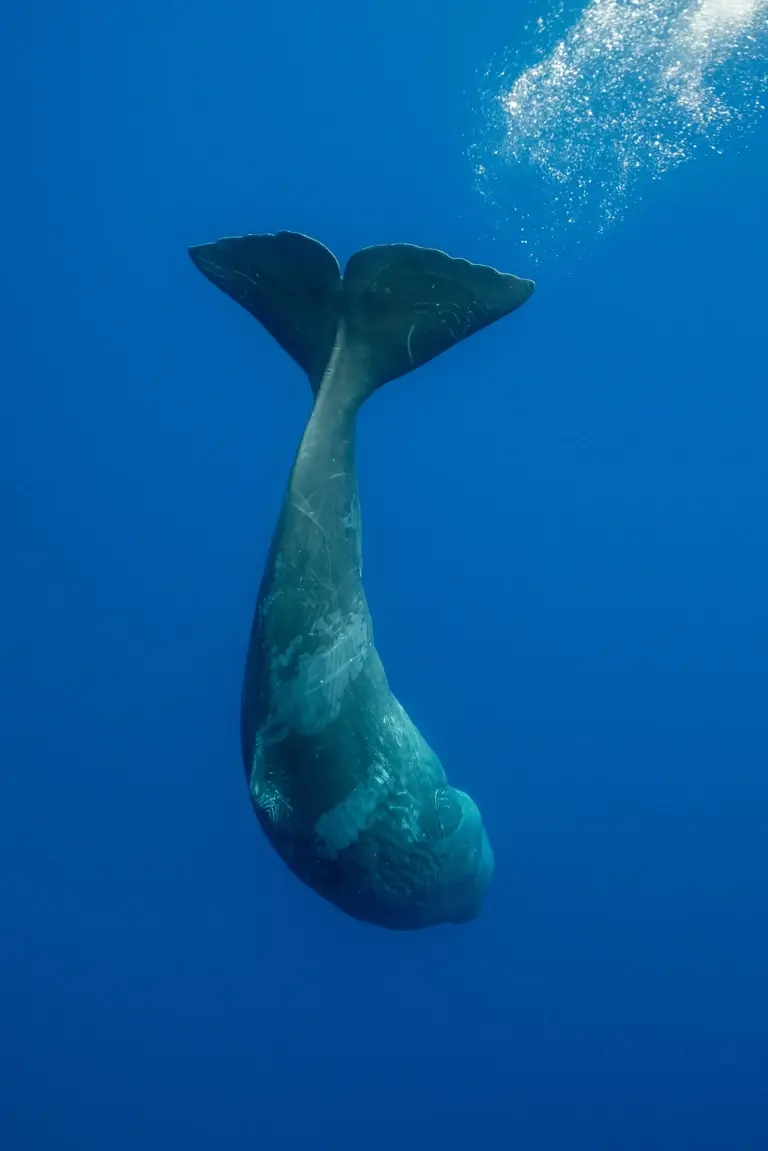
As well as attracting a large variety of cetacean species to its waters and having established a high reputation for its responsible whale watching program, Pico is growing its diving reputation around its prime attraction - the Blue Shark, and, to a lesser extent, Mako Sharks, as well as the sought after dive site of Princess Alice Banks.
Pico
View Resorts Send Enquiry Speak to an expert. Call 01353 659999
Highlights
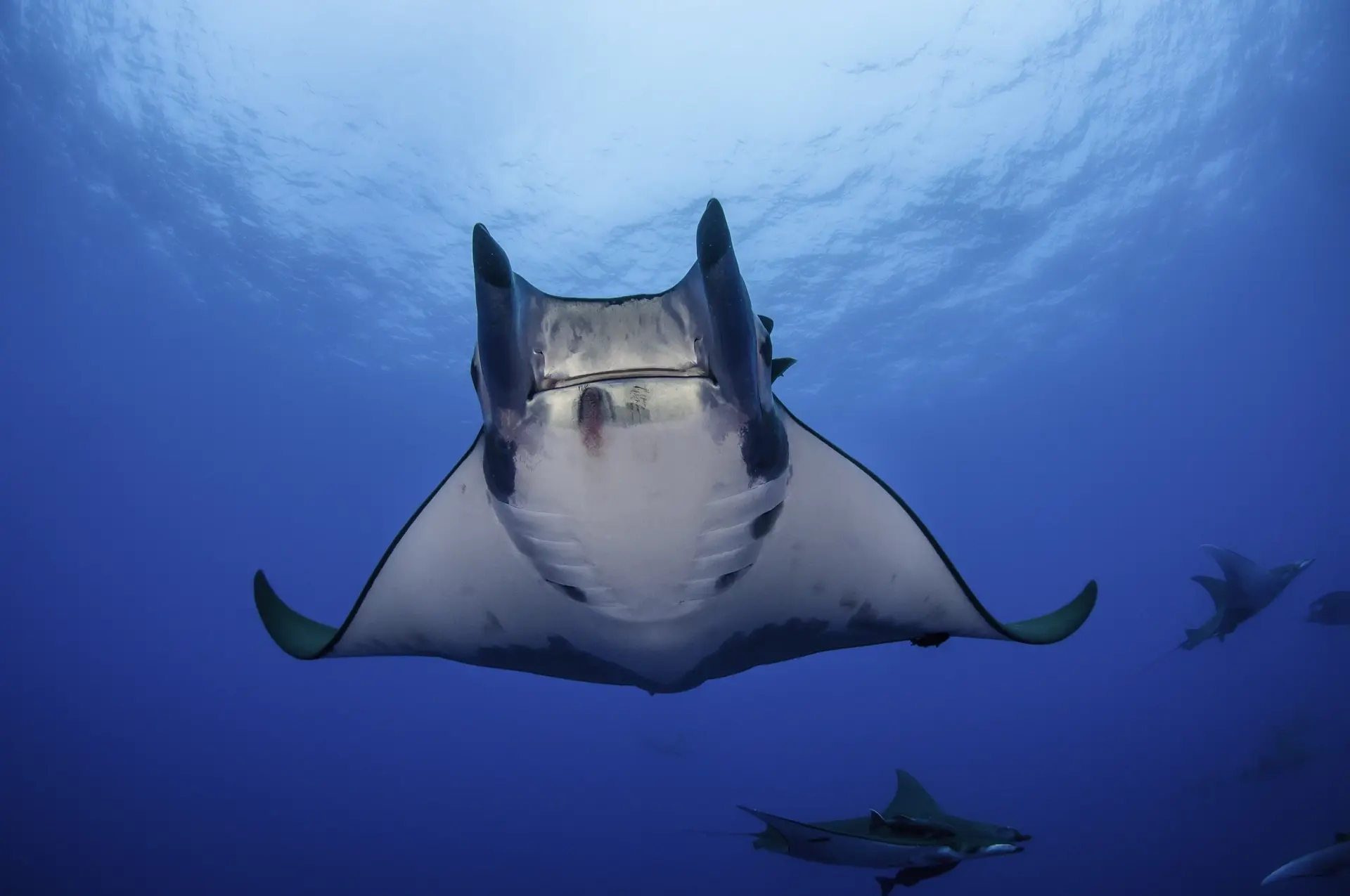
- Dive with mobula and manta rays at Princess Alice Bank
- Enjoy arches, channels, walls and pinnacles
- Combine with other Azorean islands for an island-hopping adventure
Pico Resorts & Hotels
Baia da Barca - Madalena
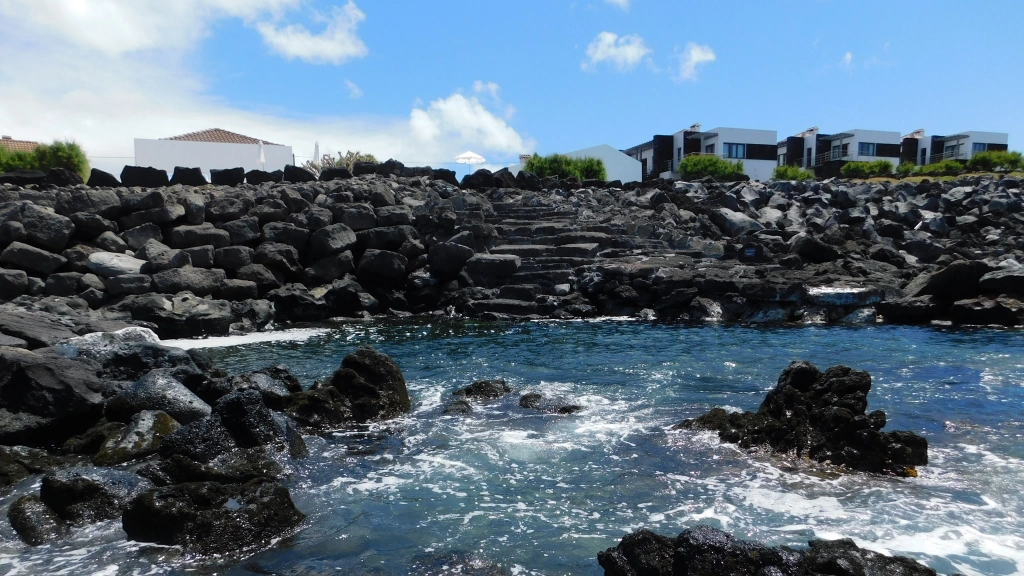
With an elegant modern design, this lovely apartment style accommodation sits on the sea front, 600m from Madalena’s harbour.
8 days from £1,340

Hotel Caravelas - Madalena
This modern 68-roomed hotel offers a comfortable stay with all the required conveniences. Set in landscaped grounds and close to…
8 days from £1,295
Gallery


Pico Information
Blue Sharks
Occurring in deep waters a reasonable distance from Pico’s coast, this majestic, sleek pelagic shark species has been studied for a number of years, and their habits are becoming more understood. Classified a ‘Near Threatened’ species, the local dive operator is working hard to ensure minimum impact on the sharks is felt with strict in-water regulation, education and protection programs. With the aim of the species benefiting long-term from better understanding, a donation is also made to the PADI Project Aware foundation for all Blue shark dives carried out.
Princess Alice Bank
A long boat ride is rewarded with an underwater mountain, formed from part of the mid-Atlantic ridge. Its peak sits at 35 metres depth, where Mobula rays are frequent visitors, specifically the Chilean Devil ray. Strong currents often necessitate the diver hanging from the mooring line at a shallower depth, as the marine life swirls around. As well as rays, schools of Barracuda, Jacks and Atlantic Bonito and sharks may also regularly be seen.
San Jorge Pinnacle
Sitting at the western point of Pico, a narrow channel divides Pico and Faial and here sits the pinnacle of San Jorge. About an hour's ride from port, 2 exciting and challenging dives may be carried out conditions permitting, where schooling pelagic fish hang in the current whooshing through the squeeze between the 2 islands. The local dive centres are trying to have part of this area protected as a marine reserve, such is the importance of this area to the area's marine life.
Arcos do Pocinho and Cachorro
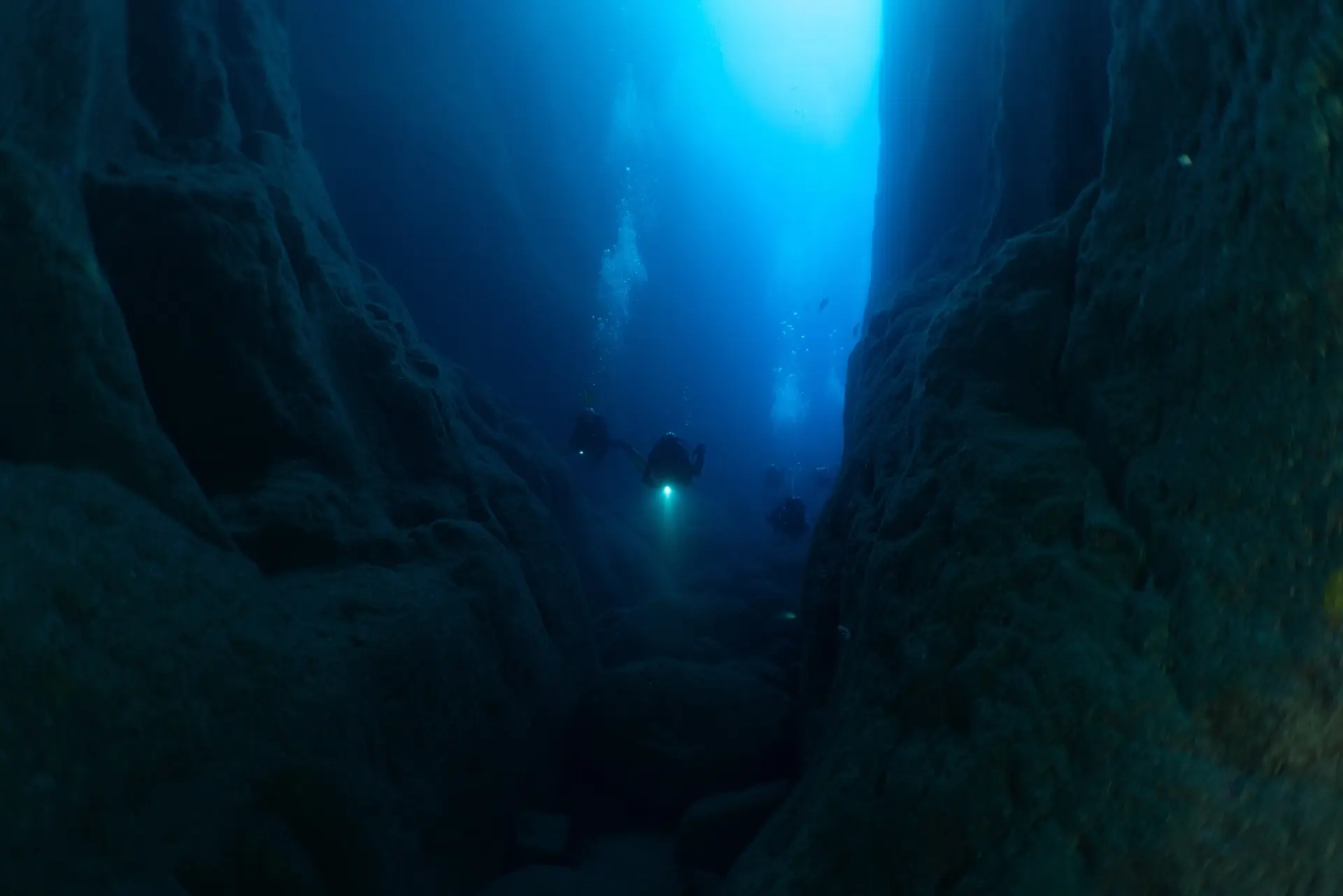
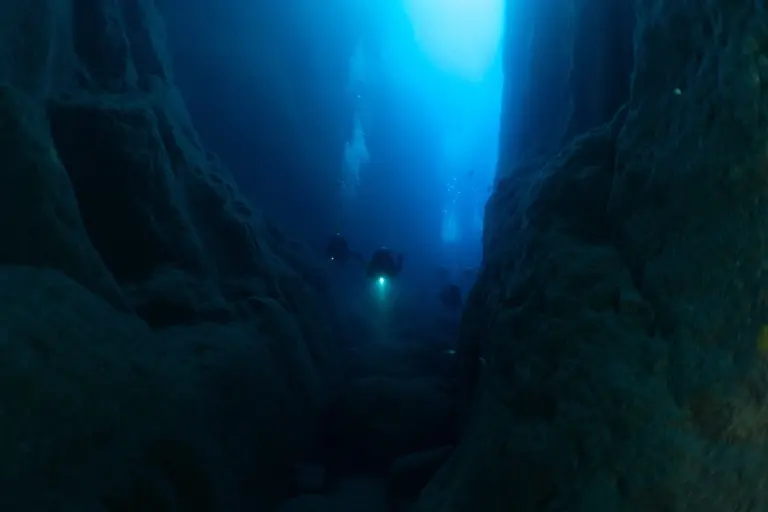
These dive sites highlight fantastically the formation of the island of Pico itself. Both sites are formed of lava tunnels, arches and walls which provide beautiful underwater seascapes. On the sea bed of Cachorro, you can spot huge pebbles and easily imagine the routes of the original lava flows.
15th Century Vineyards
Holding UNESCO status, these extraordinary vineyards are planted into the island’s rocky slopes. In addition to its infamous historical whaling background, walking trails, and, for the fit and energetic (allow 24 hours after diving!), a guided ascent of Pico’s peak, provide plenty of above water interest.
Twin Centres & Tailormade - Sao Miguel, Pico, Terceira
The Azores islands are well suited to twin centre island combinations. São Miguel can be enjoyed as either a 1 or 2 week stay. If staying for 2 weeks, we highly recommend a split stay with either Terceira or Pico, to really enjoy all that this fantastic destination has to offer.
Pico is best visited as part of a 2-week stay, either spending the whole time on the island, with an obligatory night’s stay in Sao Miguel at the beginning and the end, or splitting the stay on Sao Miguel or on Terceira.
Terceira is best visited as part of a 2-week stay, either spending the whole time on the island, with an obligatory night’s stay in Sao Miguel at the beginning, or splitting the stay with Sao Miguel or Pico.
Regaldive recommend you travel to the Azores for diving holidays from mid-June onwards. If you'd like to travel before June, you can still enjoy the whale watching and could take a gamble on the weather for diving if you wish - we are happy to organise your holiday. The best months are July, August, September and October.
Dive Centre
CW Azores
Pico Island's reputation as a temperate water, exciting dive destination is growing. CW Azores are the leaders in local research on the Blue Shark population, with their shark dives enjoying a high success rate during July to September (95% in 2011 and 86% in 2012). Special trips to see pelagic fish and mobula rays, weather and diver numbers permitting, are also undertaken to the sites of San Jorge and Princess Alice Bank.
All dives are from 7.5 to 8.5 metre RIBs taking 8 divers each. As far as possible, a ratio of 8 divers to 1 guide is maintained. As these dives are true 'drift' dives, divers with their buddy are required to remain close to the guide at all times.
When partaking in the Blue Shark dive, a donation from each diver is passed to the Project Aware Foundation.
Clients staying in the Hotel Caravelas will have a short walk across the harbour. Clients staying in Baia da Barca are a 15-minute walk from the dive centre. If you do not feel up to the picturesque walk, the dive centre can arrange transfers for a fee of €5.
Due to the location of the Azores, all diving is subject to local conditions. The dive centre will operate a flexible programme around the conditions on the day.
Dive medical: A self-declaration form needs to be filled out on site. If you have a pre-existing medical conditon, please ensure you travel with a valid fit-to-dive certificate.
The closest hyperbaric chamber and larger medical unit is 15 minutes by boat on the island of Faial.
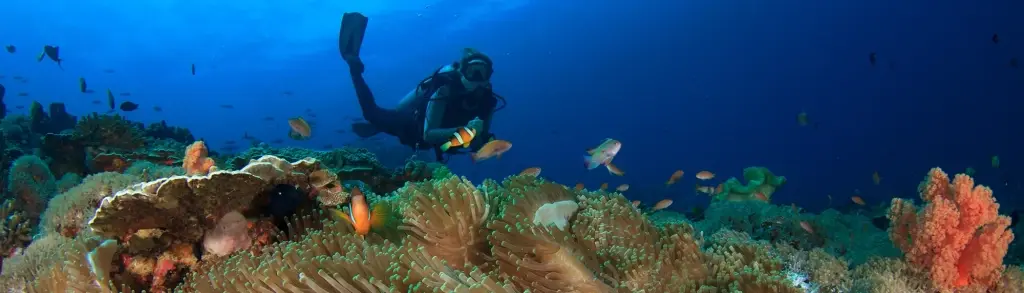
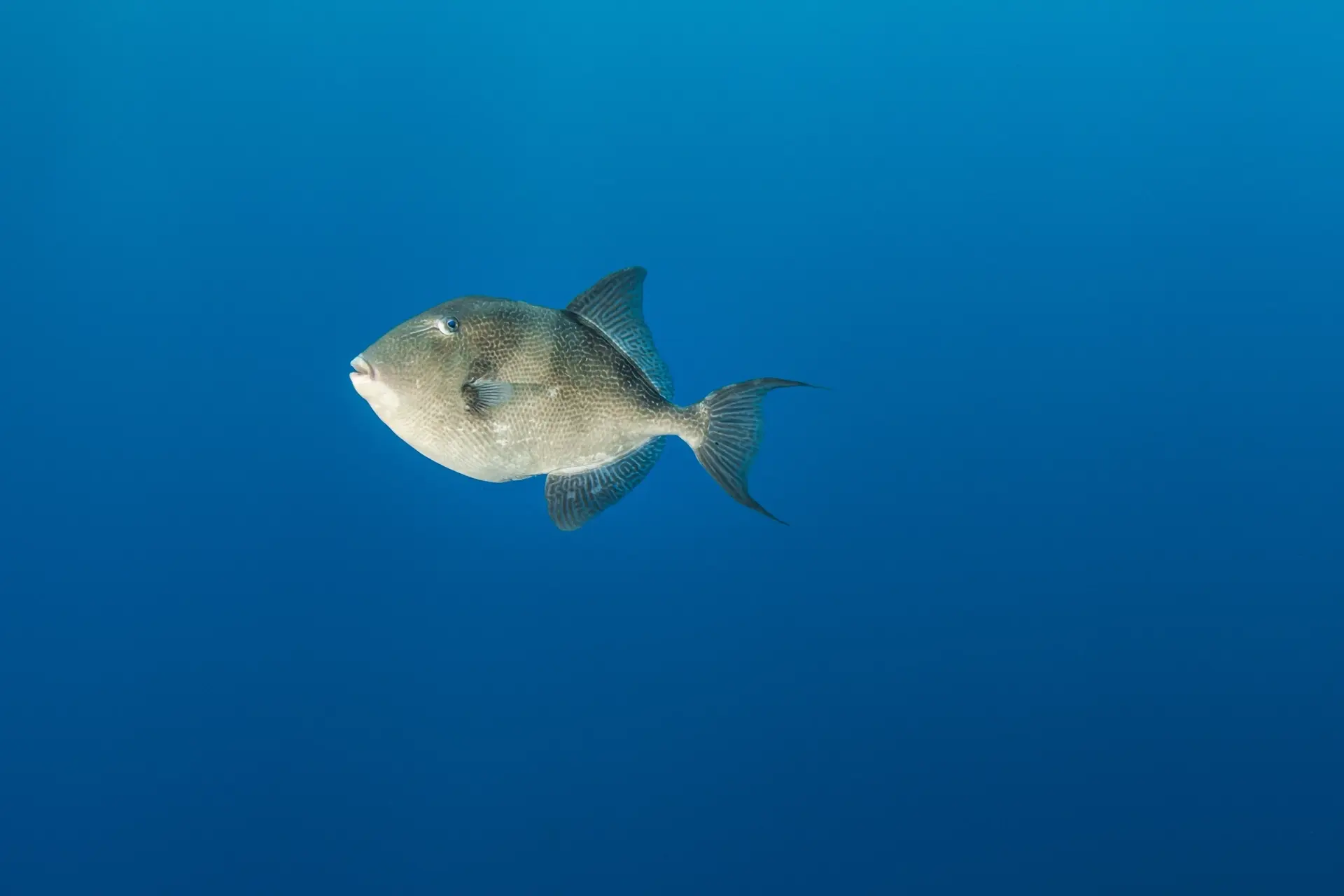
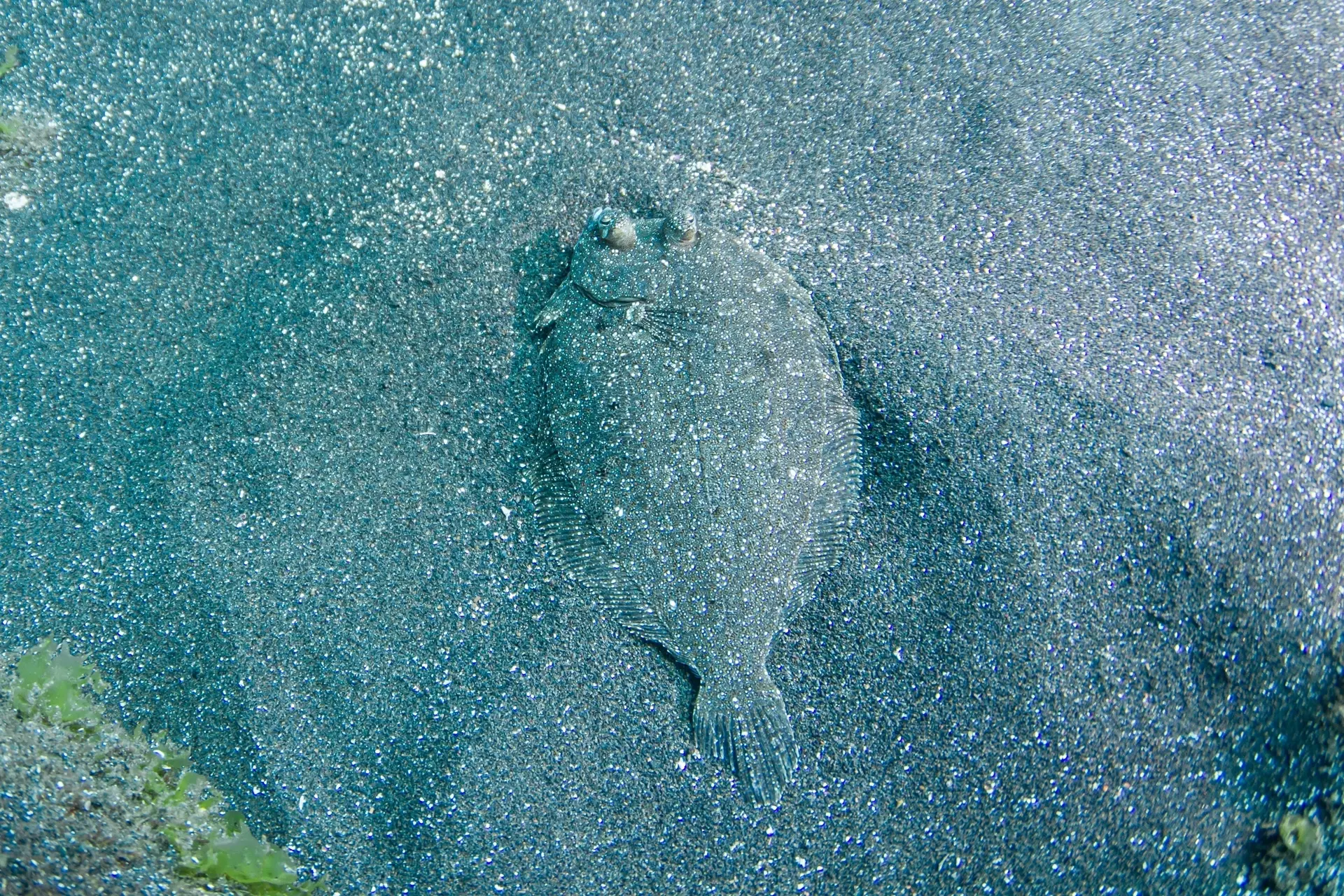
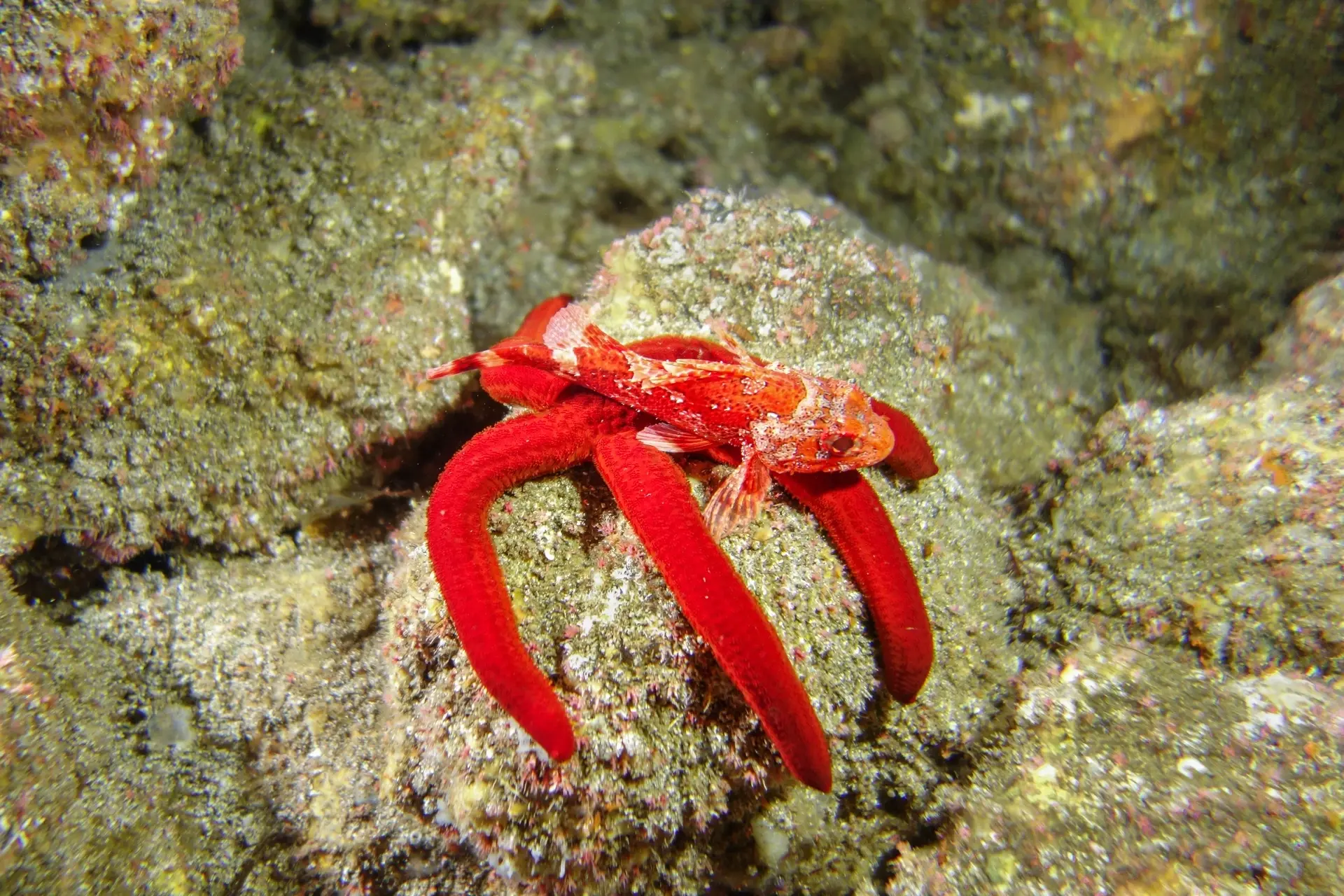
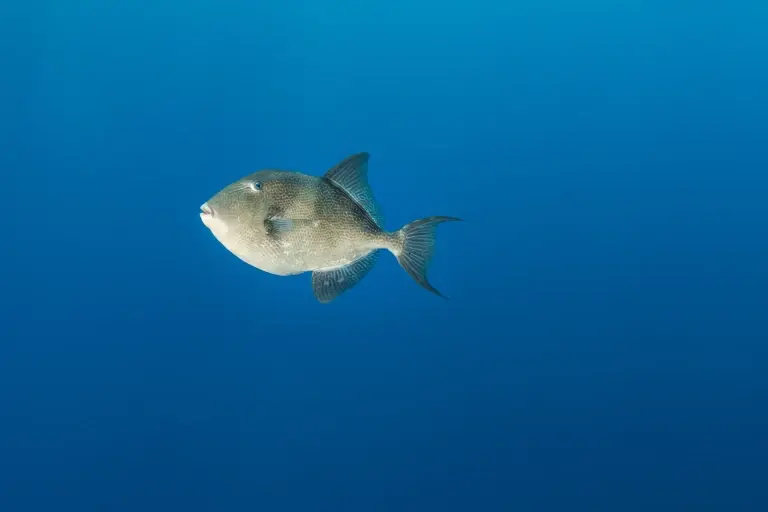
Coastal diving will especially appeal to marine life enthusiasts and macro photographers who like to explore rocky shores. Nudibranchs become increasing abundant from May, more than 150 species of sea slugs have been recorded in the Azores and divers are still adding species to the list. Huge stingrays are also present from June. Offshore shark diving and trips to Princess Alice are only available from mid-July, August & September. Best months for diving are July, August & September.
Dive Packs
Options available include 4, 6 and 10 boat dive packages, a night dive, as well as 6 and 10 boat dive packages with an additional shark expedition and 2 dives at Princess Alice Banks. All boat dives are conducted from RIBs. Please discuss your requirements with the Regaldive team, who will prepare a quotation suited to your needs.
Extras in Resort
- The Blue Shark dive, and visits to San Jorge and Princess Alice Bank are subject to availability, and are booked and paid for locally, unless they are pre-booked as part of the package.
- Night dive
Equipment rental:
Please note that equipment rental availability is limited during high season (mid-June to end September). Clients are ideally asked to carry as much of their own equipment as possible.
The dive centre recommends all guests bring their own torches and shark divers are required to bring an SMB and wear a full wetsuit, hood and gloves. Please note that Nitrox is not currently available
Please ensure that Regaldive are advised of any requirements in advance, and we will pass these to the dive centre. Prices for kit hire will be confirmed on request.
Tanks:
- Steel 12 and 15 litre tanks available
- International and DIN valve available
Resort info
Pico is dominated by its spectacular volcano which reaches beyond the clouds at 2351m and is the highest point in all of Portugal. The Island is also famous for its vineyards of Verdelho grapes, which are used to produce fortified wine. A large area of the vineyards and surrounding landscape hold UNESCO World Heritage status.
Climate
The Azores have a maritime climate, with mild temperatures ranging from 16°C (60°F) in winter to a comfortable 26°C (79°F) in summer. On average, there are about three to four hours of sunshine a day in winter and seven to eight in summer. Rainfall is distributed around the year, but is heavier and more frequent in winter.
Characteristic for the Azores is the wide variety of weather conditions within a short period; a single day can produce wind and calm, hot sun and showers in any combination. A typical and true remark is that if you don’t like the weather, you just have to wait 10 minutes for it to change!
Water Temperature
The waters of the Atlantic and the Gulf Stream meet at the Azores. The sea is warmed by the Gulf Stream and seawater temperature varies from a mild 17ºC (62ºF) in Winter to 24ºC (75ºF) where subtropical and Atlantic marine life live side by side.
We recommend a double layer 5mm long suit with 5 mm shortie over, or 7mm semi-dry or similar, plus hood and light gloves. If your luggage allows, dry suit divers may want to carry their suit.
Currents & Visibility
The average visibility is 15–30 metres, although certain days can offer more.
There are plenty of sites sheltered from currents, although some swell and tidal surge may be encountered. Certain dives sites, such as Formigas and Dollabarat Banks, are open ocean dives and as such will only be open to experienced divers in optimum weather conditions.
Time
The Azores are -1 hours behind GMT.
Currency
The Euro.
Tipping
Service charges are usually added to hotel and restaurant bills, otherwise it is customary to leave a 10% tip. Bar staff and taxi drivers also expect tips, which usually entails rounding up of the bill to the nearest Euro.
Food
The cuisine of the Azores is rich and varied. The fish dishes, the seafood, meat and cheeses, the famous wine from Pico island (once the table wines of the Czars of Russia) and the pineapple form an enviable basis for regional cooking. Be sure to try the local Verdelho wine.
Activities
Pico has great ferry links to other islands, which make a good option for day trips. Island tours are popular and a number of festivals take place, so try to time your visit to coincide with an event to enjoy the local atmosphere.
Also, enjoy whale and dolphin watching trips, go bird watching or take a tour of lava caves.
Planning your Holiday
Flight Information
Packages are based on the Portuguese owned SATA airline charter route which operates on a Saturday.
Quotes may be provided tailormade for travel on TAP, via Lisbon, on different days of the week.
How to get there
Fly to Sao Miguel with an overnight stay, before joining a connecting internal flight (daily to Pico or Horta which is a short hop across the water by boat), or fly scheduled with a change in Lisbon to Horta or Pico. Horta offers the most connections.
Flight duration - charter:
London - Ponta Delgada: 4 hours
Departure tax: None
Visas
Entry requirements vary from country to country, and it’s important to check the latest visa information well before you travel. Some destinations may allow visa-free entry for a limited period, while others require an eVisa or a visa obtained in advance. To ensure you have the correct documentation for your trip, we recommend checking the official advice from the UK Foreign, Commonwealth & Development Office (FCDO) or contacting the relevant country’s embassy or consulate. Other nationalities should check with their own consulate/embassy.
Passports
Before you travel, make sure your passport is valid for the full duration of your trip and meets the entry requirements of your destination. Many countries require at least six months’ validity beyond your planned return date, while others may have different rules. For the most reliable and up-to-date information, visit the UK Government’s passport guidance or the official travel advice pages for your destination. Other nationalities should check with their own consulate/embassy.
If you’re planning to travel to or via an EU country (with certain exceptions) your UK passport must meet two key requirements, it must be less than 10 years old on the day you enter the country and it must be valid for at least three months after your planned departure date.
Vaccinations & Health Advice
Health and vaccination requirements differ depending on where you're travelling. Some destinations may require proof of specific vaccinations or recommend certain precautions to protect your wellbeing.
We’re not qualified to provide you with specific advice on vaccinations and strongly recommend that you contact your healthcare professional before you travel to discuss the inoculations you may need to consider.
For trusted guidance on health and vaccination advice, refer to the NHS Travel Vaccination Advice, Masta Travel Health or Travel Health Pro websites.
Location Map
Enquire about Pico
Speak to an expert. Call 01353 659999 Send Enquiry