





Galapagos Liveaboards
A Galapagos Island liveaboard represents one of the most extraordinary experiences available to experienced scuba divers

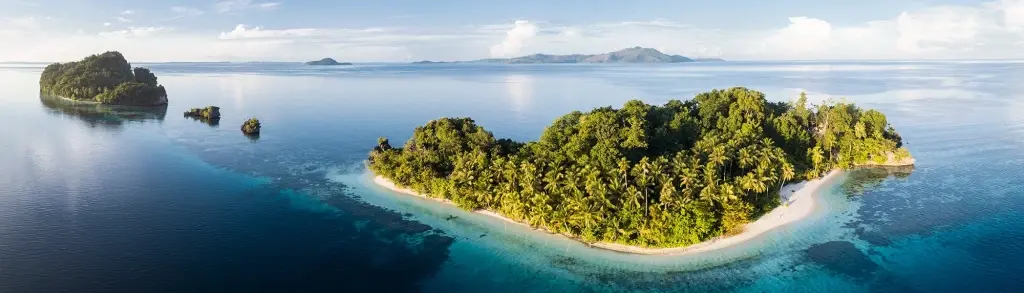
The Galapagos Islands lie on the equator 600 miles off the coast of Ecuador. Evolved over millennia and isolated from any continental landmass, the islands enjoy a unique biodiversity that is simply spectacular. These actively volcanic islands host a distinct flora and fauna, including prehistoric creatures found nowhere else on earth.
Thirteen primary islands, five smaller islands and numerous islets and rock formations make up part of the Ecuadorian National Park System and are a World Heritage site in their own right. This includes the world famous diving mecca of Darwin & Wolf.
Why We Love Galapagos Liveaboards
Is there a more enticing big fish destination on earth for experience divers? A liveaboard to the Galapagos is truly a pinnacle of diving, promising lucky divers superb shark encounters and more besides.
Joanna, RegalDive
Galapagos Liveaboards
View Liveaboards View Departures Send Enquiry Speak to an expert. Call 01353 659999
Galapagos Liveaboards

Aqua Galapagos
The Aqua Galapagos is a mid-range, family friendly boat which takes you to the top dive sites in the Galapagos & more. Extend…
From £3,734

Galapagos Aggressor III
The luxury Aggressor III offers a superb base to explore the fantastic diving on offer around the Galapagos Islands.
From £4,239

Galapagos Sky
MV Galapagos Sky is a 30 metre steel hull liveaboard, offering very comfortable accommodation.
From £5,765
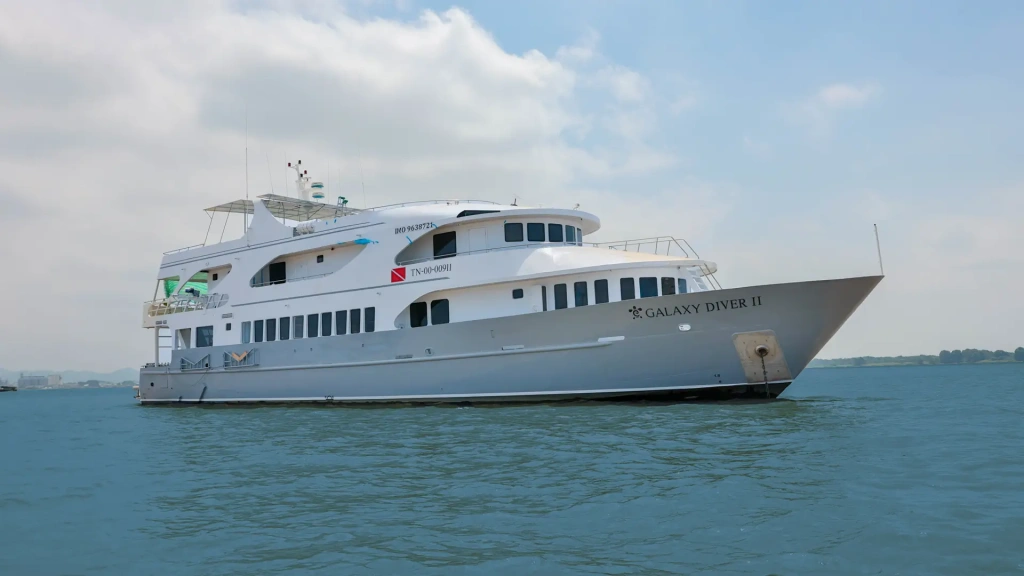
Galaxy Diver II
Experience the Galápagos from Galaxy Diver II, a luxurious vessel offering great comfort and thrilling pelagic diving.
From £4,903
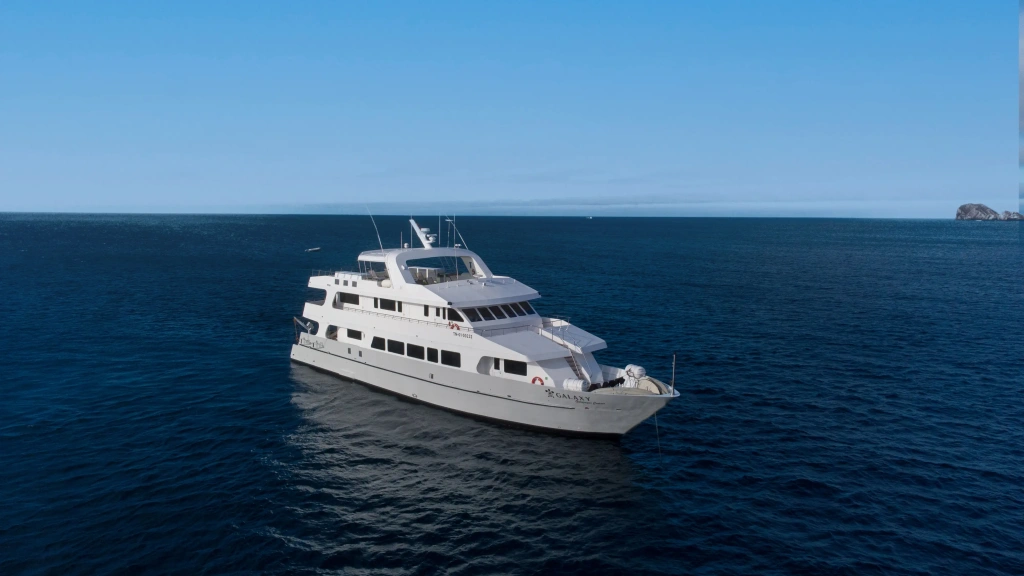
Galaxy Diver III
Embark on a remarkable underwater journey through the Galápagos archipelago, onboard Galaxy Diver III.
From £4,850
Upcoming departures
Upcoming departures for Galapagos Liveaboards are listed below or view all departures on our Holiday Search where you can also sort/filter.

Aqua Galapagos
£4,149
- Departure Date: 10 Nov 26
- Country / Itinerary: Galapagos, Ecuador, Route A: Darwin's Spirit
- Nights: 7
- Embark Disembark: Baltra Baltra
- Spaces Available: 1
Additional information
- Dive areas visited: Ecuador: Central Islands, Ecuador: Fernandina & Isabela (Marine Iguanas), Ecuador: Wolf & Darwin
- Typical number of dives on trip: 19 dives
- Minimum dive experience: 50 dives
- Required certification: PADI advanced or equivalent
- Additional costs to be aware of:
– Galapagos National Park entrance fee:
$200
– Transit Control Card: $20
– Full diving equipment rental and nitrox: $150
– Roundtrip flight to Galapagos Islands
– Soft and alcoholic drinks tips travel insuranceand other items of personal
Cabins.
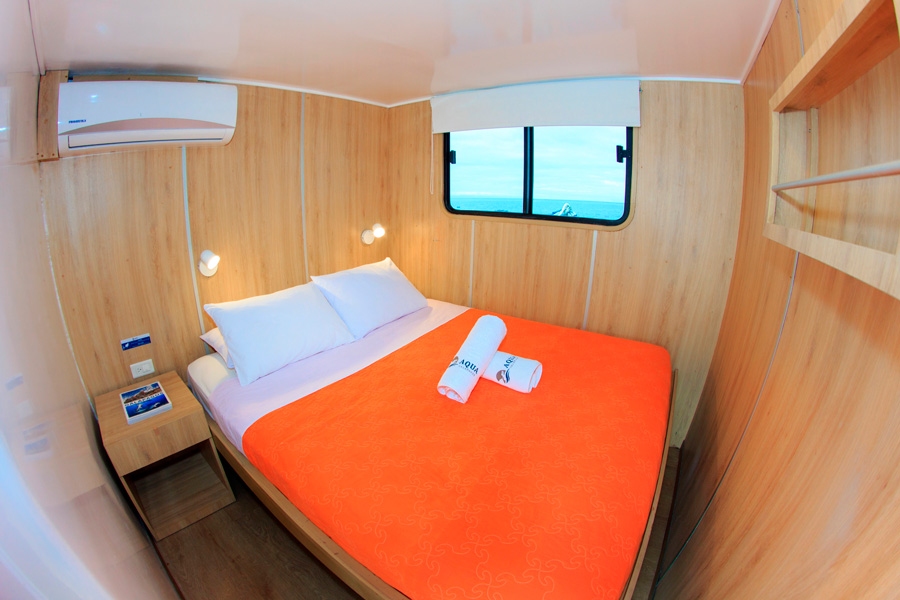
Main/Upper Deck Cabin
- Bed Type: Bunk
- Location: Upper deck
- Avble. Spaces: 1
- Air Con: Yes, individually controlled
- Ensuite: Yes

M/V Galapagos Master
£5,492
- Departure Date: 30 Nov 26
- Country / Itinerary: Galapagos, Ecuador, Master the Galapagos
- Nights: 7
- Embark Disembark: San Cristóbal San Cristóbal
- Spaces Available: 2
Additional information
- Dive areas visited: Ecuador: Central Islands, Ecuador: Fernandina & Isabela (Marine Iguanas), Ecuador: Wolf & Darwin
- Typical number of dives on trip: 18 dives
- Minimum dive experience: 50 dives
- Required certification: AOWD or equivalent + Nitrox
- Additional costs to be aware of:
– Ingala Transit Control Card (at the airport, per trip):
$20
– Galapagos National Park Fees (at the airport, per trip): $200
Cabins.
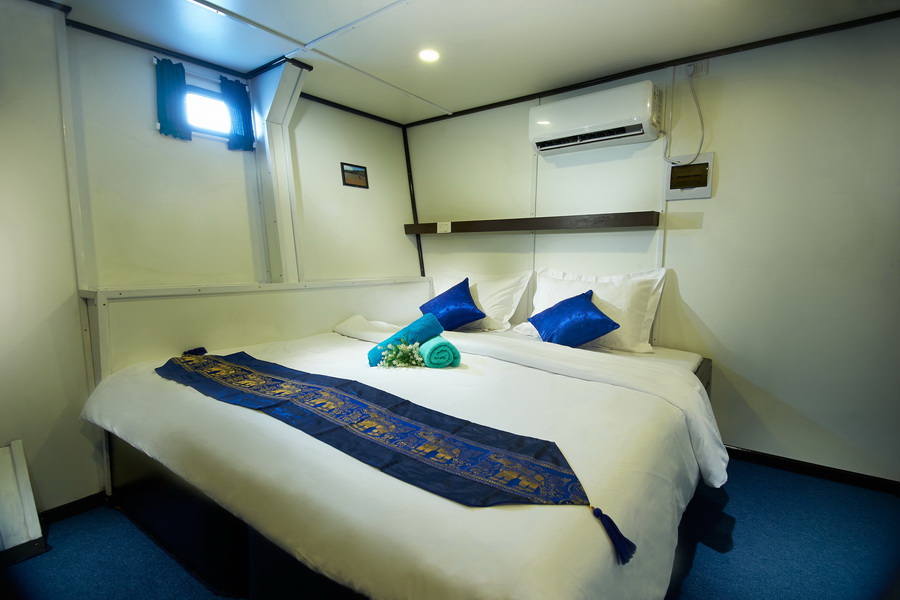
Classic Twin/Double
- Bed Type: Twin / Double (2 singles can convert to double)
- Location: Lower deck
- Avble. Spaces: 1
- Last Shared Space: Male
- Air Con: Yes, individually controlled
- Ensuite: Yes
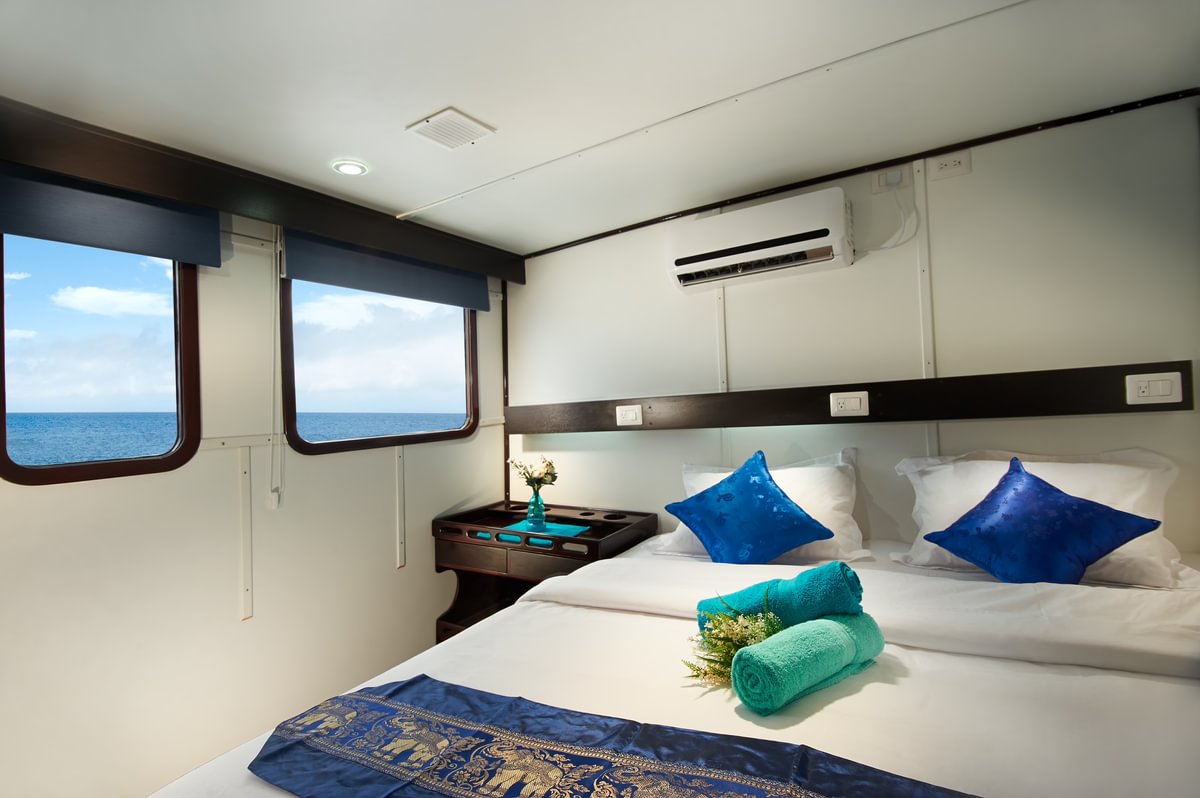
Premium Twin/Double
- Bed Type: Twin / Double (2 singles can convert to double)
- Location: Upper deck
- Avble. Spaces: 1
- Last Shared Space: Male
- Air Con: Yes, individually controlled
- Ensuite: Yes
Aqua Galapagos
£3,995
- Departure Date: 08 Dec 26
- Country / Itinerary: Galapagos, Ecuador, Route A: Darwin's Spirit
- Nights: 7
- Embark Disembark: Baltra Baltra
- Spaces Available: 13
Additional information
- Dive areas visited: Ecuador: Central Islands, Ecuador: Fernandina & Isabela (Marine Iguanas), Ecuador: Wolf & Darwin
- Typical number of dives on trip: 19 dives
- Minimum dive experience: 50 dives
- Required certification: PADI advanced or equivalent
- Additional costs to be aware of:
– Galapagos National Park entrance fee:
$200
– Transit Control Card: $20
– Full diving equipment rental and nitrox: $150
– Roundtrip flight to Galapagos Islands
– Soft and alcoholic drinks tips travel insuranceand other items of personal
Cabins.
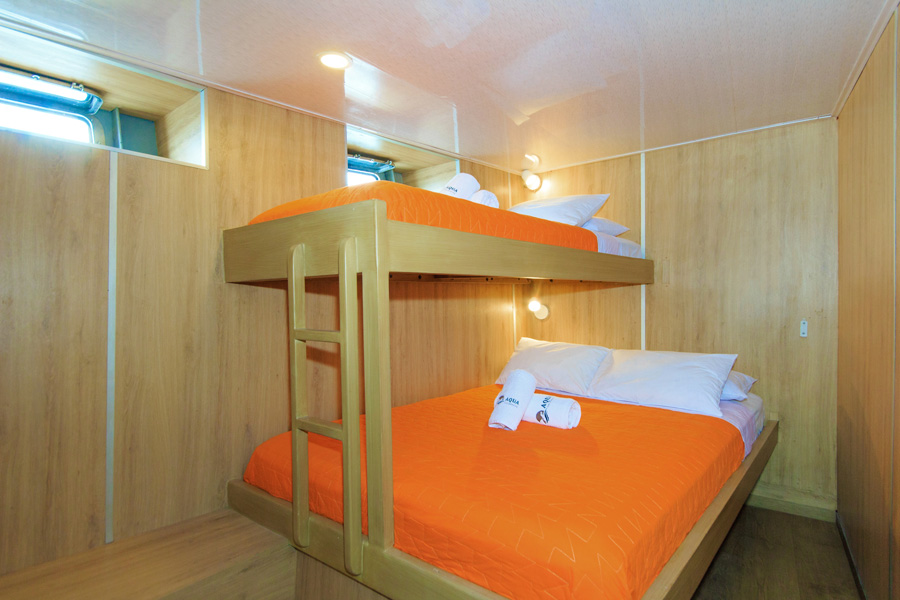
Lower Deck Cabin
- Bed Type: Bunk
- Location: Lower deck
- Avble. Spaces: >6
- Air Con: Yes, individually controlled
- Ensuite: Yes
Main/Upper Deck Cabin
- Bed Type: Bunk
- Location: Upper deck
- Avble. Spaces: 7
- Air Con: Yes, individually controlled
- Ensuite: Yes
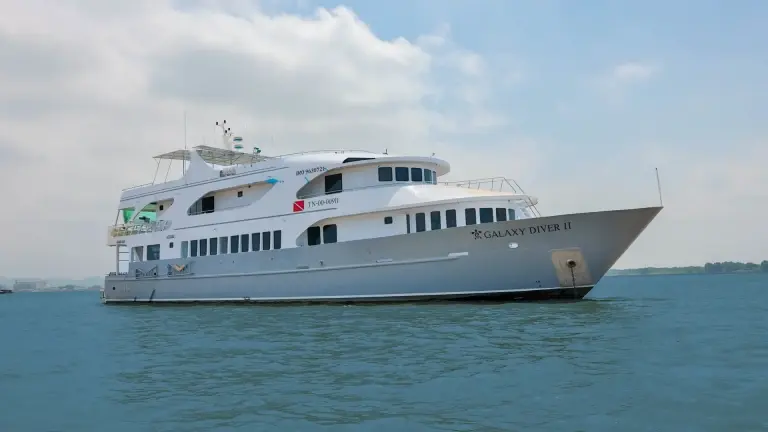
Galaxy Diver II
Offer
£5,480
5769.00
- Departure Date: 09 Dec 26
- Country / Itinerary: Galapagos, Ecuador, Galapagos Safari : Darwin & Wolf 8 days
- Nights: 7
- Embark Disembark: Baltra Baltra
- Spaces Available: 1
Additional information
- Dive areas visited: Ecuador: Wolf & Darwin, Ecuador: Central Islands, Ecuador: Fernandina & Isabela (Marine Iguanas)
- Typical number of dives on trip: 19 dives
- Minimum dive experience: 50 dives
- Required certification: PADI advanced or equivalent


Galapagos Sky
£5,765
- Departure Date: 13 Dec 26
- Country / Itinerary: Galapagos, Ecuador, Galapagos 7 nights
- Nights: 7
- Embark Disembark: San Cristóbal San Cristóbal
- Spaces Available: 16
Additional information
- Dive areas visited: Ecuador: Central Islands, Ecuador: Wolf & Darwin, Ecuador: Fernandina & Isabela (Marine Iguanas)
- Typical number of dives on trip: Please enquire
- Minimum dive experience: Please enquire
- Required certification: Please enquire
- Additional costs to be aware of:
– Hyperbaric Chamber Fee:
$35
Cabins.
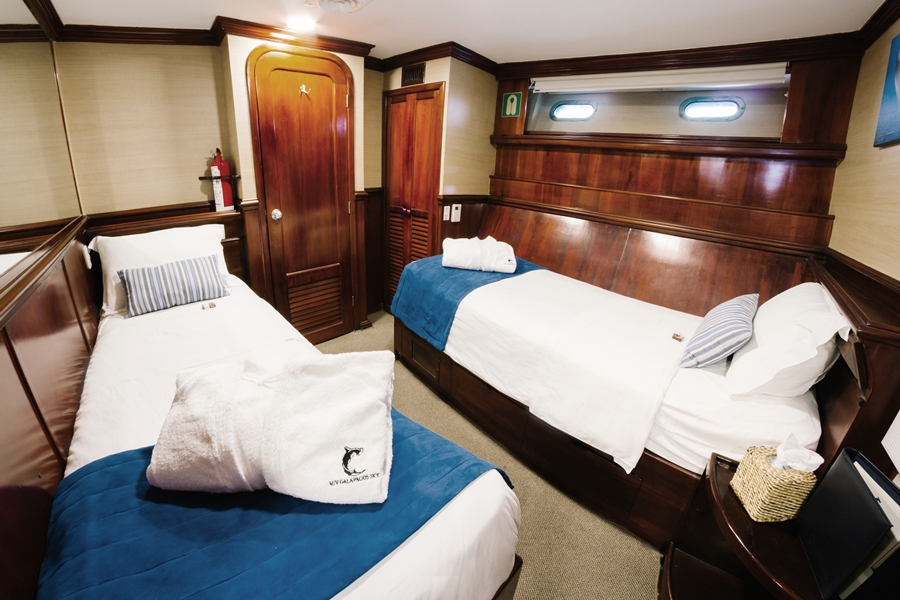
Deluxe Stateroom Lower Deck
- Bed Type: Twin (2 singles)
- Location: Lower deck
- Avble. Spaces: 8
- Air Con: Yes, individually controlled
- Ensuite: Yes
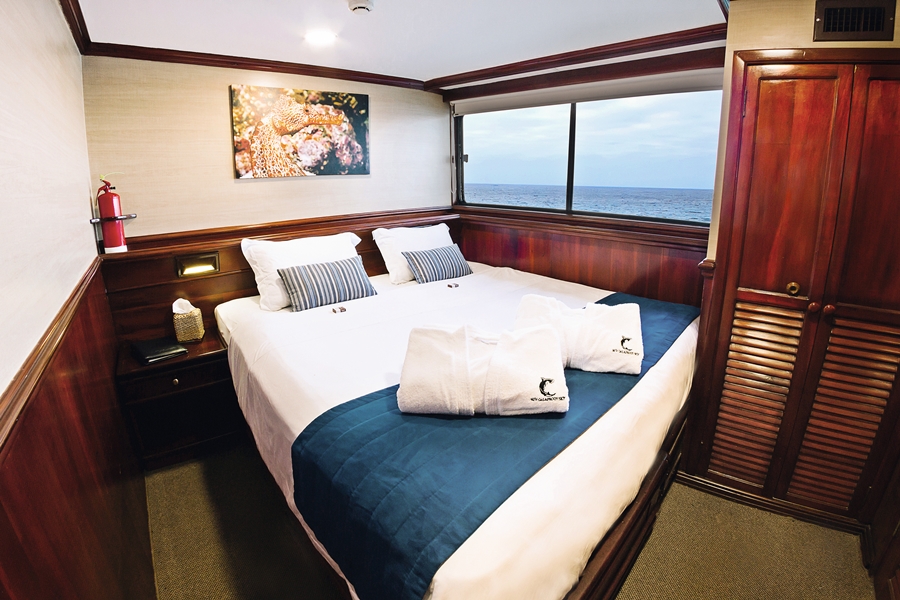
Master Stateroom Upper Deck
- Bed Type: Twin / Double (2 singles can convert to double)
- Location: Upper deck
- Avble. Spaces: 8
- Air Con: Yes, individually controlled
- Ensuite: Yes
Galapagos Liveaboards Itineraries

Galapagos, Ecuador
Galapagos Islands Itinerary
Discover a pristine world untouched by time. Dive into a marine sanctuary teeming with life, where Darwin's inspiration lives…
Gallery


Where's the best liveaboard diving in the Galapagos Islands?
The most famous dive sites in the Galapagos are Darwin & Wolf. These two islands are located 14 hours sailing north of the main island group. The seas surrounding Wolf and Darwin support large concentration of the marine life that makes the Galapagos the dive destination that it is. Certainly no dive itinerary to the Galapagos is complete without a visit to Darwin and Wolf. Schools of hammerheads, dolphins and rays make these islands a highlight for many divers visiting the Galapagos. The whale shark aggregation occurs in the warmer water surrounding these islands.
Hammerhead sharks and other shark species make regular appearances in numbers year round.
What to see when
Several oceanic currents meet in the island group. This has led to an abundance of marine life that has few equals anywhere in the world. The mixed temperature range underwater delivers a fascinating and rarely seen mix of tropical and temperate fish species.
Many divers are drawn to the Galapagos by the presence of large schools of rays and sharks, which are encountered year round. Various species of turtle breed in the islands, whilst endemic marine iguanas have adapted to local conditions, feeding off the sea algae that thrives in the waters that surround the islands. Inquisitive fur seals and penguins provide divers with unforgettably thrilling shows as they perform their aquatic acrobatic displays. Occasionally divers are afforded an encounter with some of the islands rare species like mola mola, flightless cormorants and the Galapagos bullhead shark.
Land species are also encountered on a Galapagos Islands liveaboard. Because of their isolation, most species have evolved in different ways to their mainland relatives and even within the archipelago species have developed differently. Of the extraordinary animals to be found many are reptiles, such as the great tortoise, large land iguanas, numerous lizards and three species of non-poisonous snakes.
Up to three quarters of a million seabirds flock to the islands, including a third of the world's blue footed boobies, frigate birds, pelicans, cormorants, albatross and petrels. Aside from the extraordinary marine and land borne wildlife, the islands themselves are a fascinating place to walk around, with dramatic volcanic cones and solidified lava flows.
For a map of the Galapagos Islands please click here.
Itineraries
Please note that liveaboard itineraries can change without notice. The itinerary will depend on several factors including, but not limited to, weather, diving ability of guests & the number of other boats already present at the various dive sites. All dive sites visited are subject to weather conditions and are at the discretion of your dive guides and vessel captain.
Land-based extensions
Regaldive holidays to the Galapagos Islands are completely tailormade to your personal requirements, giving the option to extend your liveaboard holiday with a land-based stay for as many nights as you choose. With so much to discover in the Galapagos, we recommend an extension on one of the central islands.
Please contact the Regaldive Team for help planning your Galapagos Islands holiday.
Water temperatures
The water in the Galapagos is relatively cold, ranging from 15 - 26ºC between May and November and 20 - 26ºC between December and June. Divers are highly recommended to wear a minimum full 7 mm wetsuit or semi-dry with a hood and vest, or 5mm layers.
Visibility
The visibility in the Galapagos is often limited, due to the high nutrient content of the water. Visibility can be as low as 4m and as high as 30m but the average is 15m. Visibility varies between dive sites and with the time of day and can even change during a dive. The visibility at Darwin & Wolf tends to be higher than in the Southern islands.
Diving from Pangas
Diving in the Galapagos is conducted from small boats (like RIBS) called pangas. The currents in Galapagos are strong and so it is important the divers enter the water together as a group.
The majority of dive sites are small islands that break the surface of the water and then taper down. Because of this, it is impossible to bring the dive yacht directly over the dive site.
Divers suit-up on the main yacht before stepping over to the panga. The panga then approaches the dive site and the divers back-roll into the water.
Diving Requirements
A mandatory check dive will be required of every diver on the first day of the charter, regardless of diving certification or experience. Every dive in the Galapagos will be guided – this is a requirement of the Galapagos National Park. Please note that, due to frequently strong currents, it is mandatory for each diver to carry a DSMB and small light on all dives. A method for attracting attention through noise and reflective light, plus a system such as EPIRB is highly recommended; some of these items can be hired or will be offered as part of your liveaboard.
Planning your Holiday
Flight Information
It's possible to reach Ecuador from the UK via Europe, or via the USA. Common routings include travelling via either Amsterdam or Madrid. The Galapagos Islands are then reached via a 90 minute flight from Quito or Guayaquil, normally flying into San Cristobal.
Extra nights: A minimum of one night on the outbound and one night on the inbound is required in Quito or Guayaquil, due to international flight schedules and internal flights.
We encourage divers to stay on the Ecuador mainland two nights before travelling onto the Galapagos. You are travelling a long way on the trip of a lifetime and we want you to join your liveaboard rested and hydrated. This also helps in case your luggage is delayed.
Visas
Entry requirements vary from country to country, and it’s important to check the latest visa information well before you travel. Some destinations may allow visa-free entry for a limited period, while others require an eVisa or a visa obtained in advance. To ensure you have the correct documentation for your trip, we recommend checking the official advice from the UK Foreign, Commonwealth & Development Office (FCDO) or contacting the relevant country’s embassy or consulate. Other nationalities should check with their own consulate/embassy.
Passports
Before you travel, make sure your passport is valid for the full duration of your trip and meets the entry requirements of your destination. Many countries require at least six months’ validity beyond your planned return date, while others may have different rules. For the most reliable and up-to-date information, visit the UK Government’s passport guidance or the official travel advice pages for your destination. Other nationalities should check with their own consulate/embassy.
If you’re planning to travel to or via an EU country (with certain exceptions) your UK passport must meet two key requirements, it must be less than 10 years old on the day you enter the country and it must be valid for at least three months after your planned departure date.
Vaccinations & Health Advice
Health and vaccination requirements differ depending on where you're travelling. Some destinations may require proof of specific vaccinations or recommend certain precautions to protect your wellbeing.
We’re not qualified to provide you with specific advice on vaccinations and strongly recommend that you contact your healthcare professional before you travel to discuss the inoculations you may need to consider.
For trusted guidance on health and vaccination advice, refer to the NHS Travel Vaccination Advice, Masta Travel Health or Travel Health Pro websites.
About Galapagos Liveaboards
When's the best time to dive in the Galapagos Islands by liveaboard
From May to November cooler currents rich in nutrients attract many of the great pelagic plankton feeders. During these months, The Galapagos Islands are recognised as one of the world’s best locations to encounter Whale Sharks in large numbers. Numerous species of whales are also regularly seen in the Galapagos over these months. The most common encounters are with Melon Headed, Pilot and Humpback whales that migrate to the coast of Ecuador in August and September. Water temperature can vary from 17 - 24ºC.
In December to April, the waters rise slightly in temperature with shifting Oceanic currents, and in come the rays. Water temperature is a slightly warmer 21 - 26ºC. Large mantas, schools of mobula rays, cow-nosed rays, spotted eagle rays and marble rays are frequent visitors.
Who is liveaboard diving in the Galapagos Islands suitable for?
The diving in Galapagos is not for novice divers. Before attempting to dive in Galapagos you should be completely comfortable in the water and comfortable with all aspects of your equipment. Having experience of diving in cold water with a thicker wetsuit and hood, as well as experience of diving in strong currents, up currents and down currents is highly recommended. Experience in mixed surface conditions, mixed currents and varying water temperatures, proficient use of a DSMB and the ability to cope in buddy pairs or on your own should you become temporarily separated, is imperative.
Regaldive advise that guests booking on to a Galapagos liveaboard should be minimum PADI Advanced or equivalent and have more than 50 logged dives. This may vary depending on which boat you book. Some require diver's to have a minimum of 100+ logged dives.
Find out more about diving in Galapagos, Ecuador
Enquire about Galapagos Liveaboards
Speak to an expert. Call 01353 659999 Send Enquiry