





Cocos Island Liveaboards
Dive with hammerhead sharks and other thrilling marine life on a Cocos Island liveaboard.

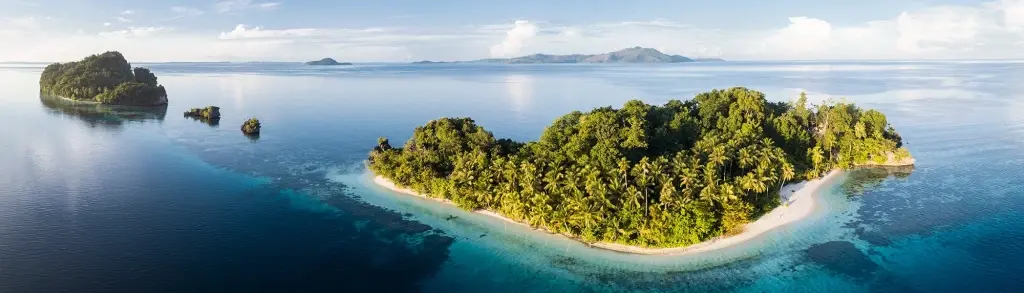
The uninhabited Cocos Island lies in the eastern Pacific, around 340 miles south-west of Costa Rica. A rugged, yet green and verdant island, Cocos is a national park and has been a UNESCO World Heritage Site since 1997. It’s only a small dot of land in the vast Pacific, but a beacon for larger ocean creatures and, as a result, avid scuba divers.
The island was formed by volcanic activity millions of years ago and consists of four mountain peaks, the highest of which is Cerro Iglesias, at 690m above sea level. Cocos Island is covered in thick forest and only the National Park Rangers are allowed to reside there.
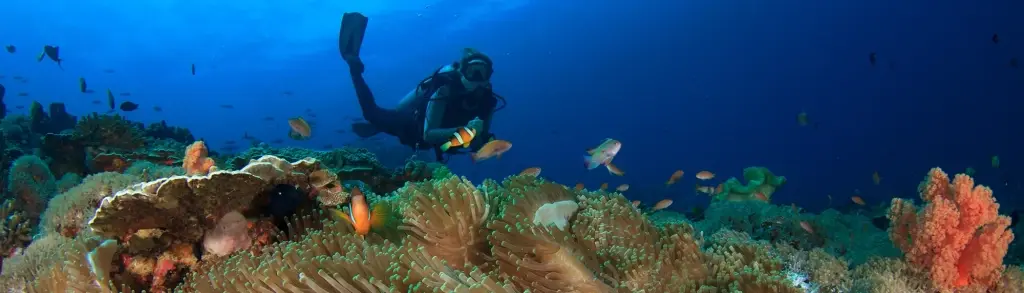
Cocos is surrounded by deep waters that are populated by whale sharks, schooling hammerhead sharks, white-tip sharks, tuna, manta rays & three species of turtle. Dolphins are often seen and the odd whale if you are lucky!
Why We Love Cocos Island Liveaboards
There are few dive destinations in the world that can rival the reputation of Cocos. This is truly liveaboard diving at its best, with awesome shark encounters all but guaranteed for the adventurous diver.
Phil, RegalDive
Cocos Island Liveaboards
View Liveaboards View Departures Send Enquiry Speak to an expert. Call 01353 659999
Cocos Island Liveaboards

Cocos Island Aggressor
The Cocos Island Aggressor is a modern liveaboard accommodating 22 guests in private staterooms operating diving adventures to…
From £5,383

Okeanos Aggressor II
Okeanos Aggressor II accommodates 22 guests in 8 double/twin stateroom cabins, 2 luxurious suites and 1 Master Stateroom.
From £4,268

Sea Hunter
Sea Hunter liveaboard offers comfort, convenience, excellent service, food & non-stop underwater excitement around Cocos Island.
From £5,838
Upcoming departures
Upcoming departures for Cocos Island Liveaboards are listed below or view all departures on our Holiday Search where you can also sort/filter.

Okeanos Aggressor II
£4,922
- Departure Date: 26 Dec 26
- Country / Itinerary: Costa Rica, Cocos Island
- Nights: 10
- Embark Disembark: Puntarenas Puntarenas
- Spaces Available: 1
Additional information
- Dive areas visited: Costa Rica: Cocos Island
- Typical number of dives on trip: Please enquire
- Minimum dive experience: Please enquire
- Required certification: Please enquire
Cabins.
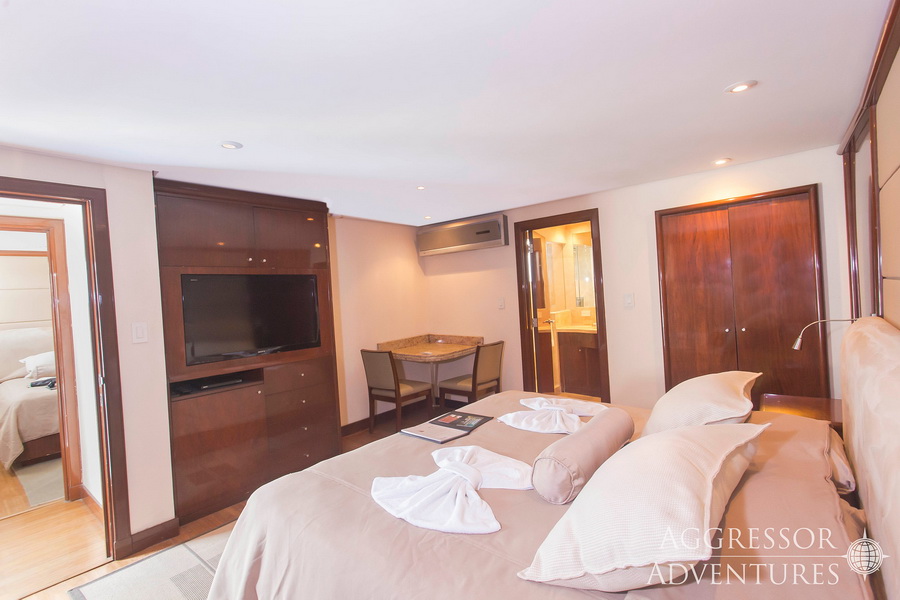
Deluxe
- Bed Type: Bunk
- Location: Lower deck
- Avble. Spaces: 1
- Last Shared Space: Female
- Air Con: Yes, individually controlled
- Ensuite: Yes
Okeanos Aggressor II
£5,037
- Departure Date: 20 Jan 27
- Country / Itinerary: Costa Rica, Cocos Island
- Nights: 10
- Embark Disembark: Puntarenas Puntarenas
- Spaces Available: 2
Additional information
- Dive areas visited: Costa Rica: Cocos Island
- Typical number of dives on trip: Please enquire
- Minimum dive experience: Please enquire
- Required certification: Please enquire
Cabins.
Deluxe
- Bed Type: Bunk
- Location: Lower deck
- Avble. Spaces: 2
- Air Con: Yes, individually controlled
- Ensuite: Yes
Okeanos Aggressor II
£5,037
- Departure Date: 03 Apr 27
- Country / Itinerary: Costa Rica, Cocos Island
- Nights: 10
- Embark Disembark: Puntarenas Puntarenas
- Spaces Available: 14
Additional information
- Dive areas visited: Costa Rica: Cocos Island
- Typical number of dives on trip: Please enquire
- Minimum dive experience: Please enquire
- Required certification: Please enquire
Cabins.
Deluxe
- Bed Type: Bunk
- Location: Lower deck
- Avble. Spaces: 14
- Air Con: Yes, individually controlled
- Ensuite: Yes

Cocos Island Aggressor
£5,383
- Departure Date: 10 Apr 27
- Country / Itinerary: Costa Rica, Cocos Island
- Nights: 10
- Embark Disembark: Puntarenas Puntarenas
- Spaces Available: 18
Additional information
- Dive areas visited: Costa Rica: Cocos Island
- Typical number of dives on trip: Please enquire
- Minimum dive experience: Please enquire
- Required certification: Please enquire
Cabins.
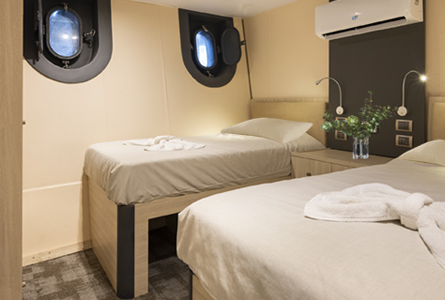
Deluxe
- Bed Type: Twin (2 singles)
- Location: Lower deck
- Avble. Spaces: 12
- Air Con: Yes, individually controlled
- Ensuite: Yes
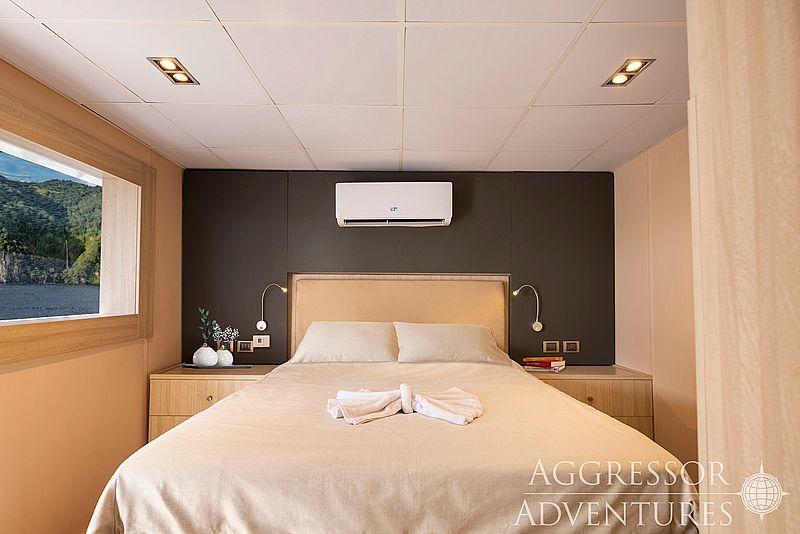
Master
- Bed Type: Queen
- Location: Upper deck
- Avble. Spaces: 5
- Last Shared Space: Male
- Air Con: Yes, individually controlled
- Ensuite: Yes
Cocos Island Aggressor
£5,383
- Departure Date: 24 Apr 27
- Country / Itinerary: Costa Rica, Cocos Island
- Nights: 10
- Embark Disembark: Puntarenas Puntarenas
- Spaces Available: 2
Additional information
- Dive areas visited: Costa Rica: Cocos Island
- Typical number of dives on trip: Please enquire
- Minimum dive experience: Please enquire
- Required certification: Please enquire
Cabins.
Deluxe
- Bed Type: Twin (2 singles)
- Location: Lower deck
- Avble. Spaces: 1
- Last Shared Space: Male
- Air Con: Yes, individually controlled
- Ensuite: Yes
Master
- Bed Type: Queen
- Location: Upper deck
- Avble. Spaces: 1
- Last Shared Space: Male
- Air Con: Yes, individually controlled
- Ensuite: Yes
Cocos Island Liveaboards Itineraries

Costa Rica
Cocos Island Adventure
Embark on a liveaboard adventure to a remote island UNESCO World Heritage Site in the eastern Pacific where schools of…
Gallery


Where's the best liveaboard diving in Cocos Island?
Cocos Island Liveaboards depart from mainland Costa Rica and explore all the best dive sites around Cocos itself, typically on ten night itineraries. Due to its location, the only way to visit the island for diving is by liveaboard, with departures operating year-round.
There are only two bays with safe anchorages and sandy beaches: Chatham is located on the northeast side and Wafer Bay is on the northwest. Nearby there are a series of smaller basaltic rocks and islets. The water temperature varies between 22 - 28°C with cooler thermoclines, and on land the island is humid and tropical with an average annual temperature of just under 27°C.
Due to the amount and diversity of marine life in its waters Cocos Island was named one of the best 10 scuba diving spots in the world by PADI and should be on any serious divers ‘to do’ list. There are at least 16 dive sites to explore, with highlights including Bajo Alcyone, the most likely spot to encounter vast numbers of hammerhead sharks and Dirty Rock, another consistent provider of thrilling pelagic encounters. Dos Amigos, Everest and Manuelita Deep are further sites that promise unforgettable experiences.
What to see when
Schooling whitetips in great numbers can be seen year-round, and there is a chance of seeing dolphins, marble rays, mantas, sailfish, whale sharks and other marine mammals throughout the year as well. The tiger shark is a year round resident at Cocos.
Considering that it is such a nutrient-rich environment, and since it is the only island for many miles around, Cocos acts as a magnet for the large pelagics that are always to be found there. Divers are likely to be impressed by the marine life in this area, no matter what time of year they visit.
It is important to remember that Cocos weather is classically unpredictable, and so it is hard to predict exactly what mixture of marine life you will get on any one trip at any time of year.
Itineraries
Regaldive operate a number of liveaboard itineraries, so you can choose your ideal Cocos Island diving experience. Cocos liveaboards usually run 10 night itineraries, but some 11-14 night trips operate.
Please note that liveaboard itineraries can change without notice. The itinerary will depend on several factors including, but not limited to, weather, diving ability of guests and the number of other boats already present at the various dive sites. All dive sites visited are subject to weather conditions and are at the discretion of your dive guides and vessel captain.
Please be aware that the Cocos Island National Park Department has temporarily suspended night dives at the island for safety reasons.
Tailormade liveaboard & island combinations
We can also arrange tailor-made extensions as required for your holiday plans. Many guests enjoy a twin centre combination of a Cocos Island liveaboard and an island based holiday in Costa Rica exploring the amazing volcanoes and wonderful wildlife. Highlights include the Arenal Volcano and hot springs, and the Monteverde Cloud Forest. Please enquire with the friendly Regaldive team to discuss the options.
Planning your Holiday
Flight info
Cocos Island is accessed through Costa Rica and flights into the capital, San Jose, are recommended. British Airways operator direct flights into San Jose, with additional indirect routes also available. The flight time is around 11 hours.
An overnight stay is required, as a minimum, on arrival before your liveaboard.
Evidence of onward travel: Entry to Costa Rica may be refused if you are unable to produce evidence of return or onward travel (for example a return air ticket).
A departure tax is payable when leaving the country by air. Some airlines have started to include this in ticket prices.
Visas
Entry requirements vary from country to country, and it’s important to check the latest visa information well before you travel. Some destinations may allow visa-free entry for a limited period, while others require an eVisa or a visa obtained in advance. To ensure you have the correct documentation for your trip, we recommend checking the official advice from the UK Foreign, Commonwealth & Development Office (FCDO) or contacting the relevant country’s embassy or consulate. Other nationalities should check with their own consulate/embassy.
Passports
Before you travel, make sure your passport is valid for the full duration of your trip and meets the entry requirements of your destination. Many countries require at least six months’ validity beyond your planned return date, while others may have different rules. For the most reliable and up-to-date information, visit the UK Government’s passport guidance or the official travel advice pages for your destination. Other nationalities should check with their own consulate/embassy.
If you’re planning to travel to or via an EU country (with certain exceptions) your UK passport must meet two key requirements, it must be less than 10 years old on the day you enter the country and it must be valid for at least three months after your planned departure date.
Vaccinations & Health Advice
Health and vaccination requirements differ depending on where you're travelling. Some destinations may require proof of specific vaccinations or recommend certain precautions to protect your wellbeing.
We’re not qualified to provide you with specific advice on vaccinations and strongly recommend that you contact your healthcare professional before you travel to discuss the inoculations you may need to consider.
For trusted guidance on health and vaccination advice, refer to the NHS Travel Vaccination Advice, Masta Travel Health or Travel Health Pro websites.
About Cocos Island Liveaboards
When's the best time to dive Cocos Island by liveaboard?
Cocos diving is divided into two major seasons: the dry season (November/December to April/May) and the rainy season (May/June to November). The following will give you a general idea of what the seasons are like, but of course it is impossible to predict what you will see on any given trip, or indeed any given dive. That is part of what makes Cocos Island so special.
The dry season is normally blessed with calm, sunny weather, with water temperatures in the 26-28°C range, with visibility ranging from 18-30 metres, and active reproduction behaviour observed. Large schools of fish are frequently seen at various distances from the rocks. Hammerhead sharks, individuals and in schools, are commonly spotted in the open water. New born marble rays and whitetip sharks are abundant during this time. During this period divers can usually dive at most dive sites around the island.
During the rainy season, the prevailing south wind limits the number of days for comfortable diving at the east and southwest sides of the island. The calm water of the northeast lee side of the island provides a safe haven for boats and the necessary protection for the marine life.
Water temperature is around 24-26°C, and the visibility averages 12-24 metres. During the months of July through October, hammerhead activity is at its peak; hundreds can usually be seen in very shallow waters, and at close proximity to the rocks. Cleaning-stations are extremely active for long periods of time. Humpback whale mothers and calves usually visit the island every year between July and September.
Who is liveaboard diving in Cocos Island suitable for?
Whilst diving at Cocos Island is extraordinary & beautiful, the Cocos Island area is very remote and suited to experienced divers. To get the best possible experience, we strongly recommend that you are at least Advanced Certified with a Deep Diver speciality. Divers should have around 40–50 hours of experience to really enjoy this bucket list destination.
Currents and visibility can be entirely different in just a few hours. Hence, we recommend some previous open water experience & some experience diving with currents. Diving conditions can vary according to the season, with the dry season (December to May) having calmer diving conditions.
Being Nitrox certified is strongly recommended.
Find out more about diving in Costa Rica
Enquire about Cocos Island Liveaboards
Speak to an expert. Call 01353 659999 Send Enquiry