





Aliwal Shoal
Located on the eastern shores of South Africa, the Aliwal Shoal is renowned for thrilling shark encounters, attracting adventurous divers looking for adrenaline-filled dive experiences.
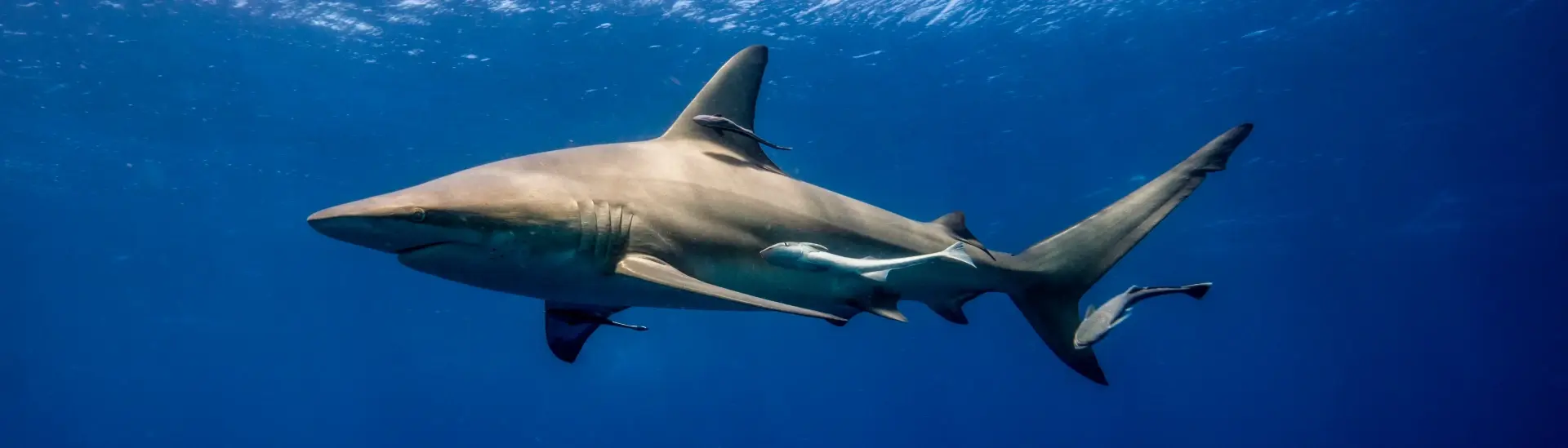
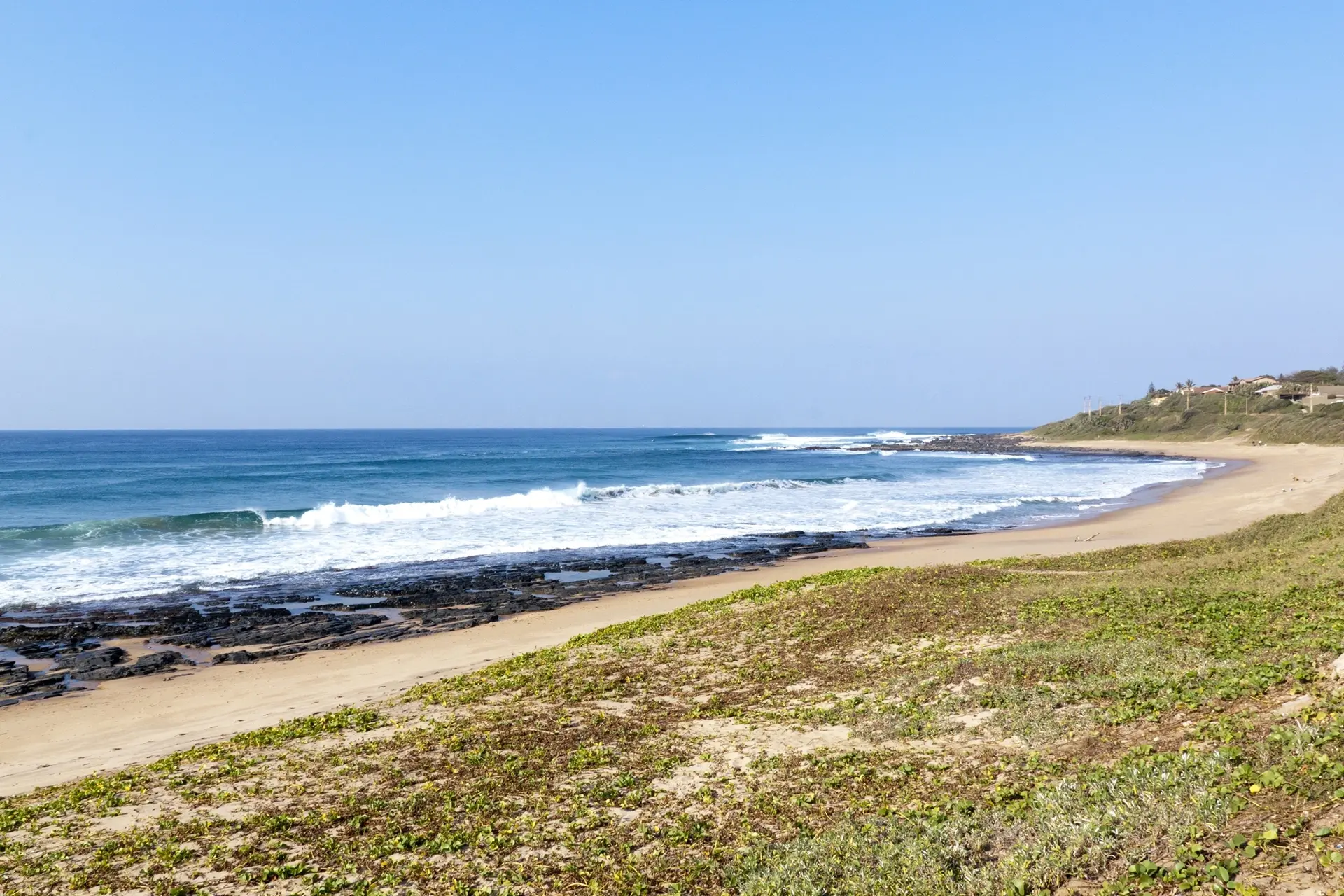
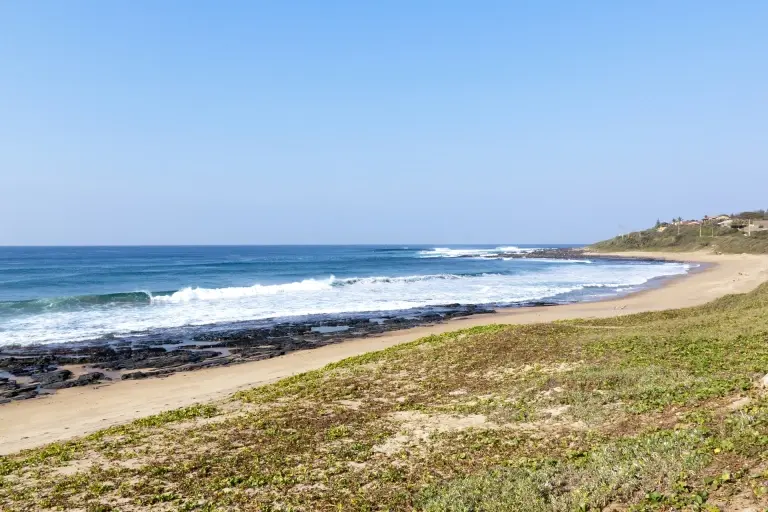
Located just off the coast of KwaZulu-Natal, around five kilometres from the small coastal town of Umkomaas, Aliwal Shoal is one of South Africa’s most celebrated dive sites.
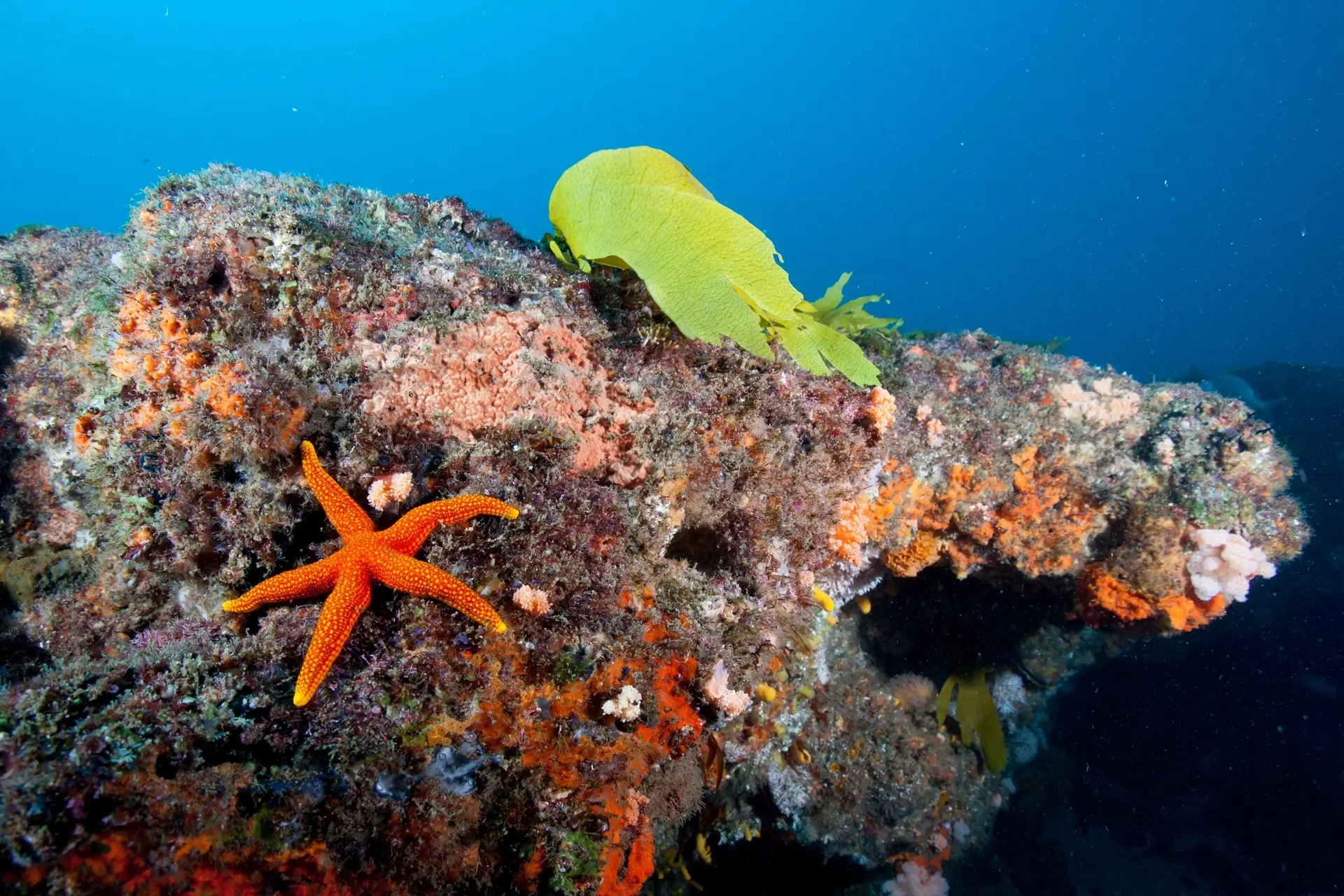
This rocky reef system—actually the fossilised remains of a sand dune—stretches along the Indian Ocean seabed. It has earned a global reputation for exhilarating shark encounters and rich biodiversity.
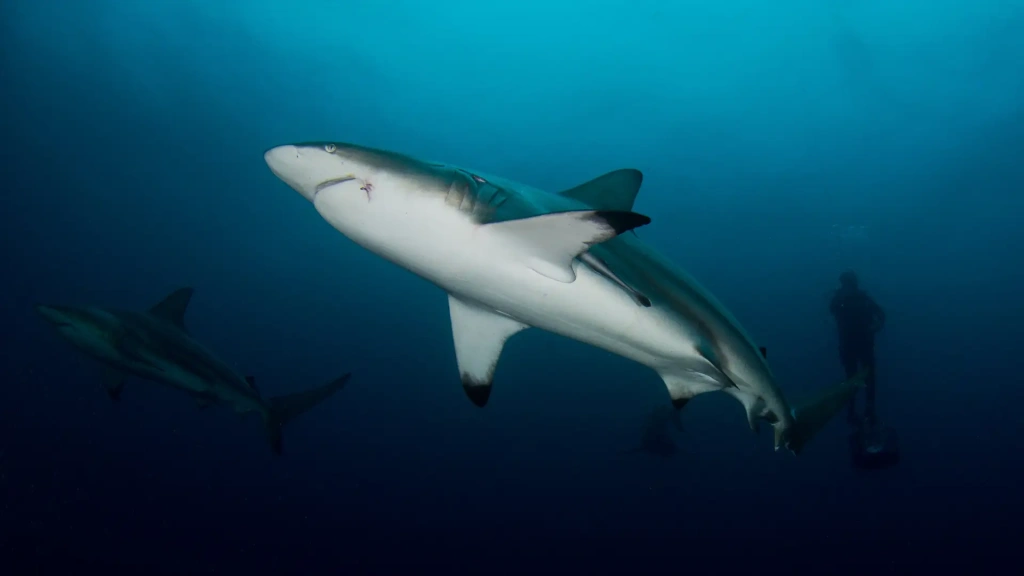
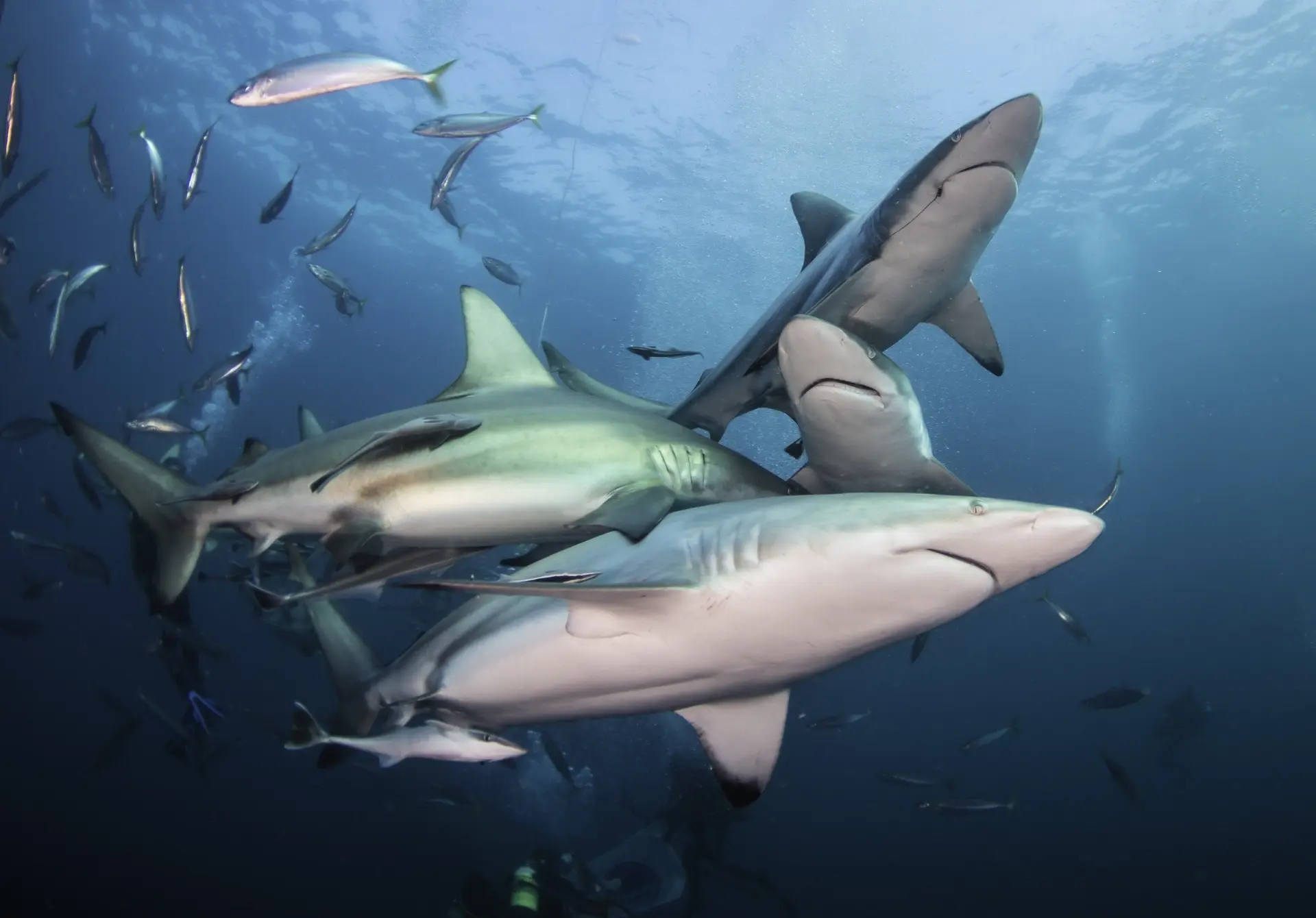
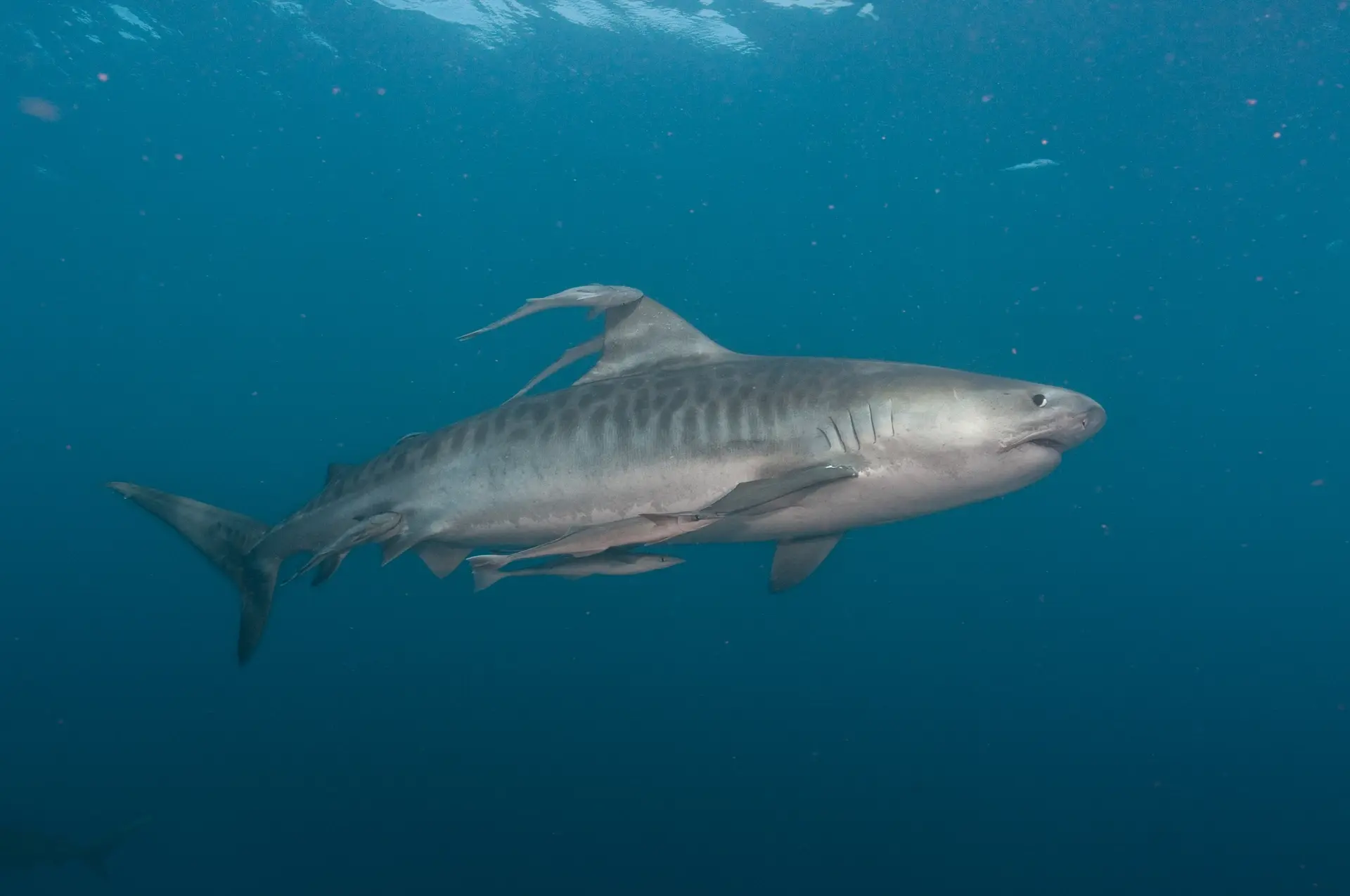
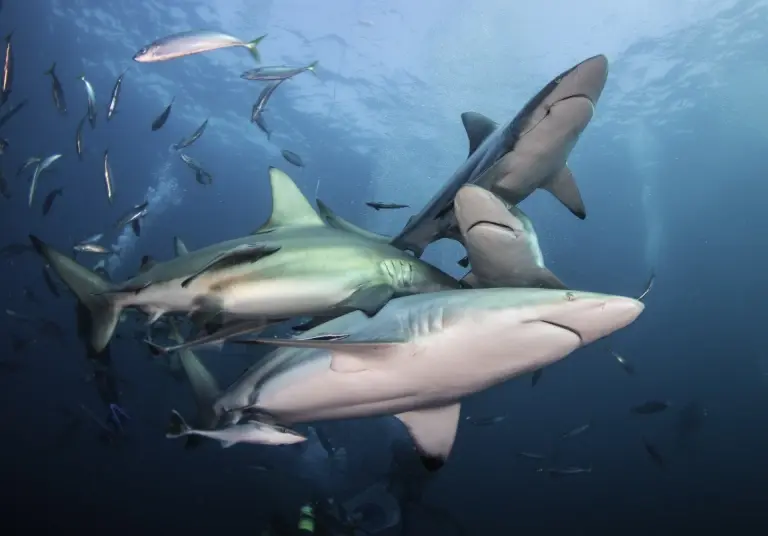
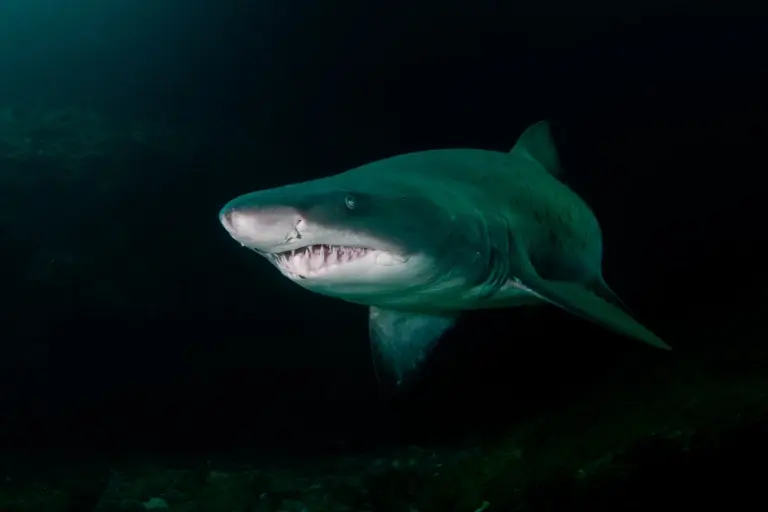
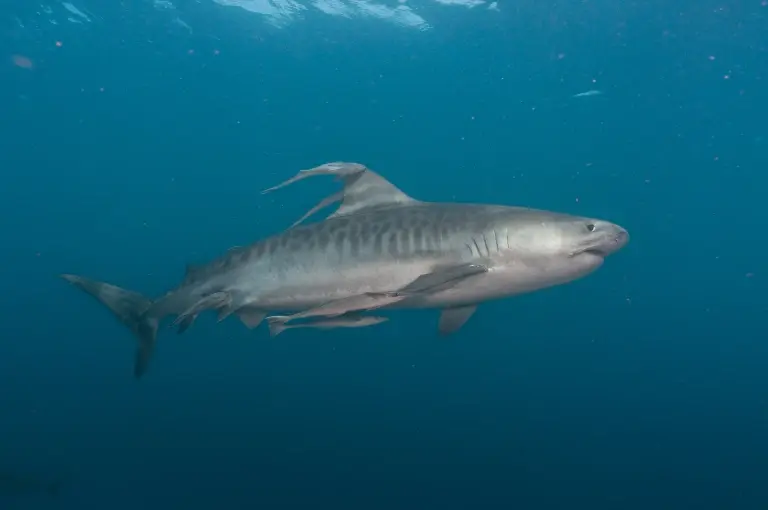
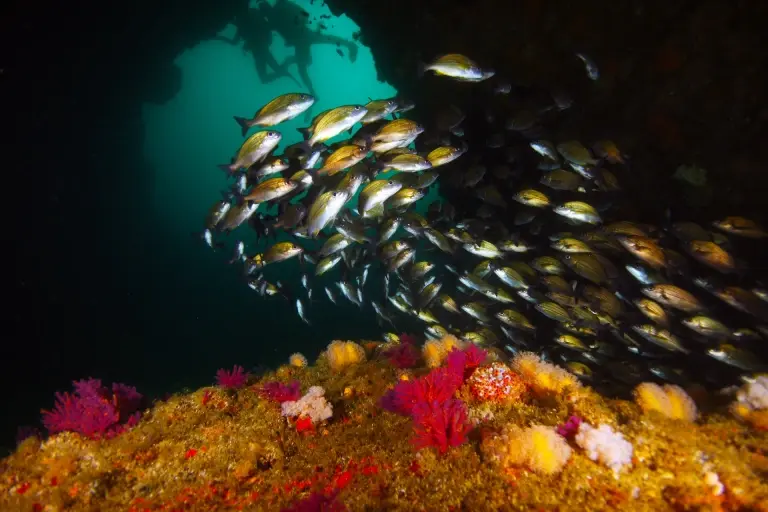
Highlights include ragged tooth sharks, dusky sharks, oceanic blacktip sharks, tiger sharks, hammerhead sharks and even bull sharks. Aside from sharks, divers can expect to see a vibrant mix of marine life including manta rays, eagle rays, turtles, moray eels, ribbontail rays, pelagic fish, and abundant reef fish.
Aliwal Shoal
View Resorts Send Enquiry Speak to an expert. Call 01353 659999
Highlights
- Dive South Africa’s most celebrated dive sites
- Encounter tiger, hammerhead & bull shark
- Come face to face with a ragged tooth shark
- Witness manta rays, dolphins and humpback whales
- Dive the wrecks of the M/Y Produce and the Nebo
Aliwal Shoal Resorts & Hotels

Blue Ocean Dive Resort
Blue Ocean Dive Resort has just 20 rooms and is the perfect base for diving with sharks at Aliwal Shoal. With no single…
7 days from £2,465
Aliwal Shoal Itineraries
Sharkweek South Africa
A great itinerary for adventurous divers, this exploration of South Africa promises plenty of shark encounters, along with other…
10 days from £2,095
South Africa & Mozambique Shark Diving Safari
Embark on a big adventure in South Africa and Mozambique on this 13-day guided diving itinerary combining Aliwal Shoal and Ponta…
Gallery


Aliwal Shoal Information
Qualified divers
The Aliwal Shoal is suitable to more experienced divers looking for adventure. Diving conditions can be quite dynamic, with changing visibility and currents. RIBs (rigid inflatable boats) are launched from beach into the surf, with backward roll and negative entries common. The location suits those with good fitness, at least Advanced Open Water qualification and 30 dives.
Marine life
The rich, dynamic waters of the Aliwal Shoal are bursting with marine life. Most divers visit for the shark action, but the area has a high level of diversity, with a wide range of pelagic and reef dwelling marine life regularly seen.
The species you are likely to see depend on the time of year that you visit. November to the end of March are particularly good months for sharks, with good chances to see tiger, bull and hammerhead sharks, along with grey reef sharks. The reef is also home to whitetip reef sharks and giant guitar sharks, with manta rays and eagle rays making appearances in these warmer months.
From April, it is still possible to see the above species, although numbers decline. At this time of year, dusky and ragged tooth sharks arrive to join the party. Ragged tooth sharks increase in numbers throughout June and July and stay around until October. These docile, but impressive looking sharks are particularly popular with divers, allowing close encounters and great photography opportunities.
From August, humpback whale and dolphin can be viewed from the surface.
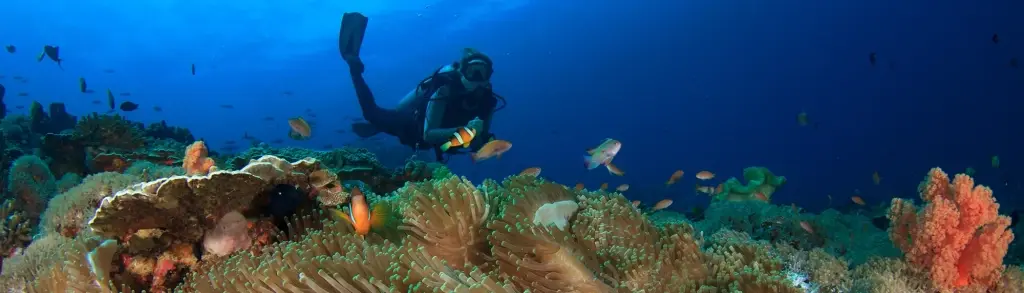
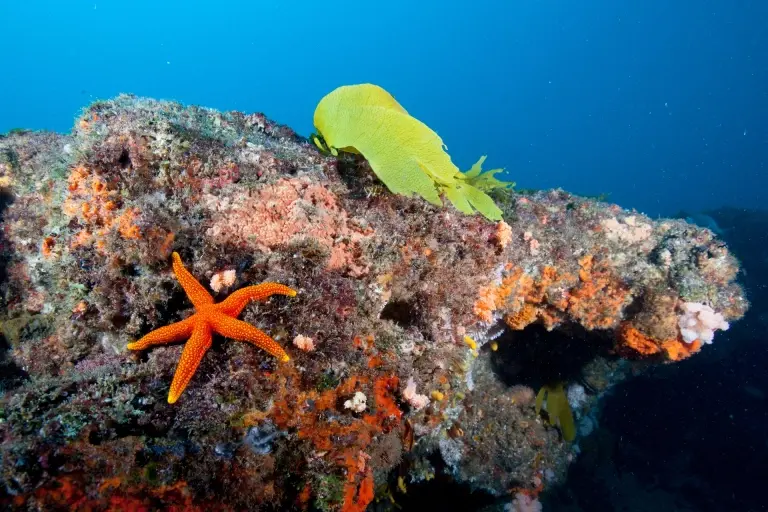
Divers can also expect to see a vibrant mix of marine life on the reef throughout the year, including turtles, moray eels, ribbontail rays, pelagic fish, and abundant reef fish.
Wreck diving
Two wrecks, the Produce and the Nebo, add further interest to the area and attract plenty of marine life.
The MV Produce is a large Norwegian cargo ship that sank in 1974 after striking the northern end of Aliwal Shoal. It was carrying a load of molasses at the time. The wreck now rests on her starboard side in roughly 32 metres of water and stretches about 120 metres in length, making it an impressive dive.
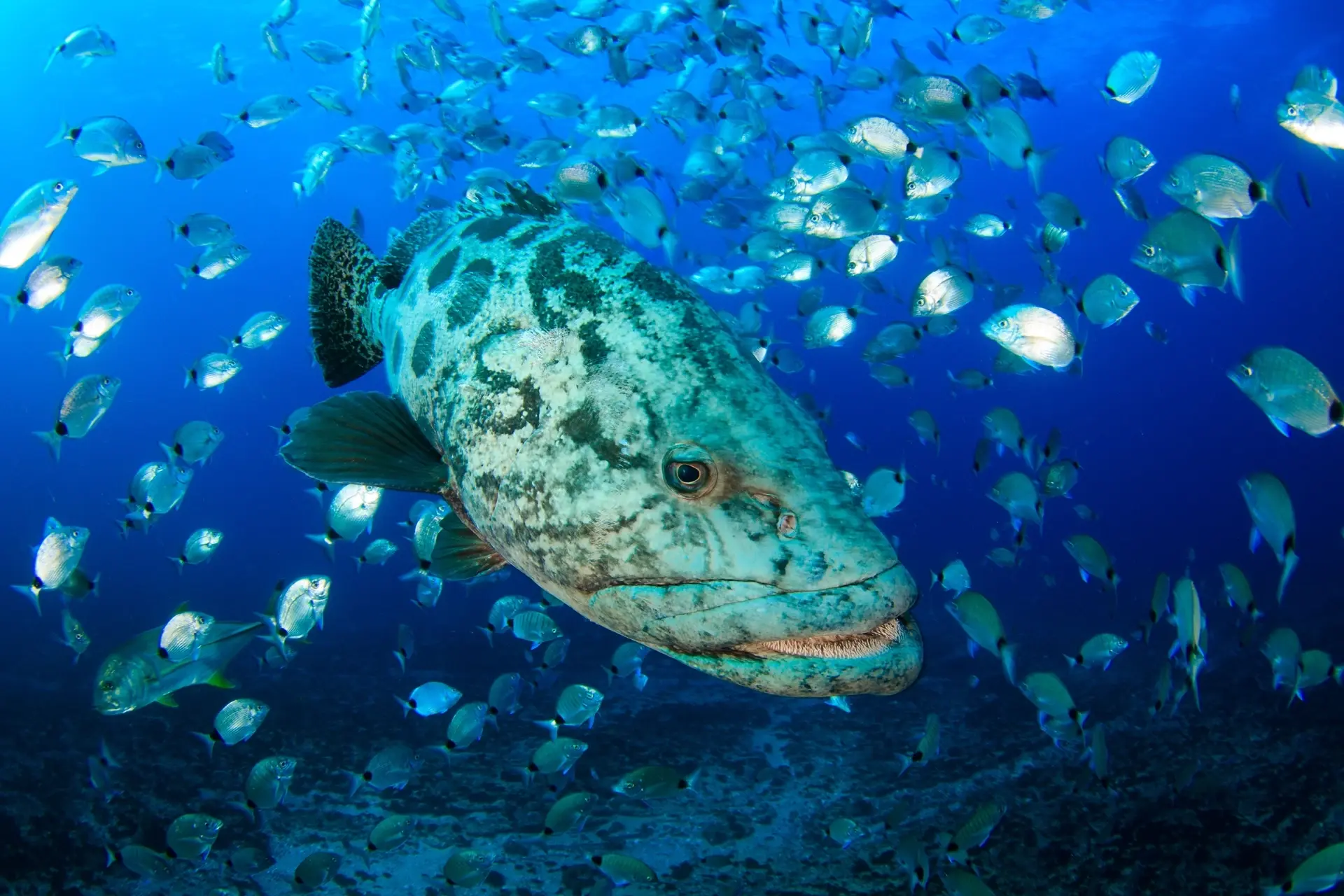
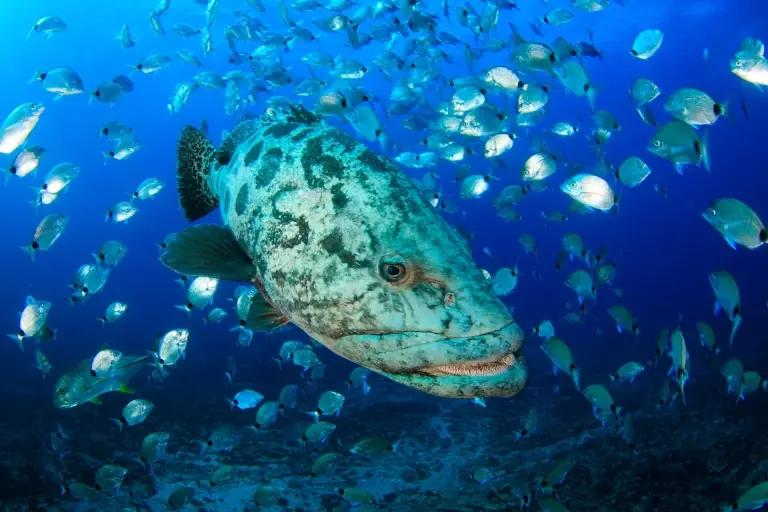
Over the years, the wreck has become heavily encrusted with corals and sponges and now teems with marine life. Divers can expect to see schooling fish, potato bass, moray eels, scorpionfish, and often ragged tooth sharks resting inside the structure, especially during winter months. The Produce is a deeper dive and is best suited for advanced divers due to depth and occasional current, but it's widely regarded as one of the top wreck dives in South Africa.
The Nebo is an older wreck, dating back to 1884. This British cargo vessel sank on her maiden voyage, having struck the shoal while carrying railway materials to Durban. She lies upside down in around 27 metres of water, and much of her structure has collapsed and is partially buried in the sand, giving the site a slightly more mysterious feel.
Despite being more broken up than the Produce, the Nebo is rich in marine life and popular with underwater photographers. Look out for resident turtles, moray eels, butterfly rays, nudibranchs, and schools of game fish weaving through the wreckage. Its shallower depth and abundance of life make it a rewarding dive, particularly when conditions are calm.
Dive conditions
Dive conditions can vary, with visibility averaging 10–20 metres. Water temperatures range from 20°C in winter to 26°C in summer. As this region is in the Southern Hemisphere, November through to April sees warmer waters, and June to August cooler waters.
Helpful Information
Umkomaas serves as the gateway to Aliwal Shoal and is where most divers stay. It’s a quiet, unassuming town with dive lodges, guesthouses, and friendly local eateries. The pace of life here is slow and relaxed, centred around early morning launches, daily dive briefings, and post-dive storytelling.
Planning your Holiday
Unkomaas and the Aliwal Shoal are reached via Durban, with international connections via the Middle East, Johannesburg and other African transport hubs.
Visas
Entry requirements vary from country to country, and it’s important to check the latest visa information well before you travel. Some destinations may allow visa-free entry for a limited period, while others require an eVisa or a visa obtained in advance. To ensure you have the correct documentation for your trip, we recommend checking the official advice from the UK Foreign, Commonwealth & Development Office (FCDO) or contacting the relevant country’s embassy or consulate. Other nationalities should check with their own consulate/embassy.
Passports
Before you travel, make sure your passport is valid for the full duration of your trip and meets the entry requirements of your destination. Many countries require at least six months’ validity beyond your planned return date, while others may have different rules. For the most reliable and up-to-date information, visit the UK Government’s passport guidance or the official travel advice pages for your destination. Other nationalities should check with their own consulate/embassy.
If you’re planning to travel to or via an EU country (with certain exceptions) your UK passport must meet two key requirements, it must be less than 10 years old on the day you enter the country and it must be valid for at least three months after your planned departure date.
Vaccinations & Health Advice
Health and vaccination requirements differ depending on where you're travelling. Some destinations may require proof of specific vaccinations or recommend certain precautions to protect your wellbeing.
We’re not qualified to provide you with specific advice on vaccinations and strongly recommend that you contact your healthcare professional before you travel to discuss the inoculations you may need to consider.
For trusted guidance on health and vaccination advice, refer to the NHS Travel Vaccination Advice, Masta Travel Health or Travel Health Pro websites.
Location Map
Enquire about Aliwal Shoal
Speak to an expert. Call 01353 659999 Send Enquiry