





Similan Islands
Enjoy a fun-filled diving adventure to this beautiful collection islands off Thailand’s gorgeous Andaman coast.
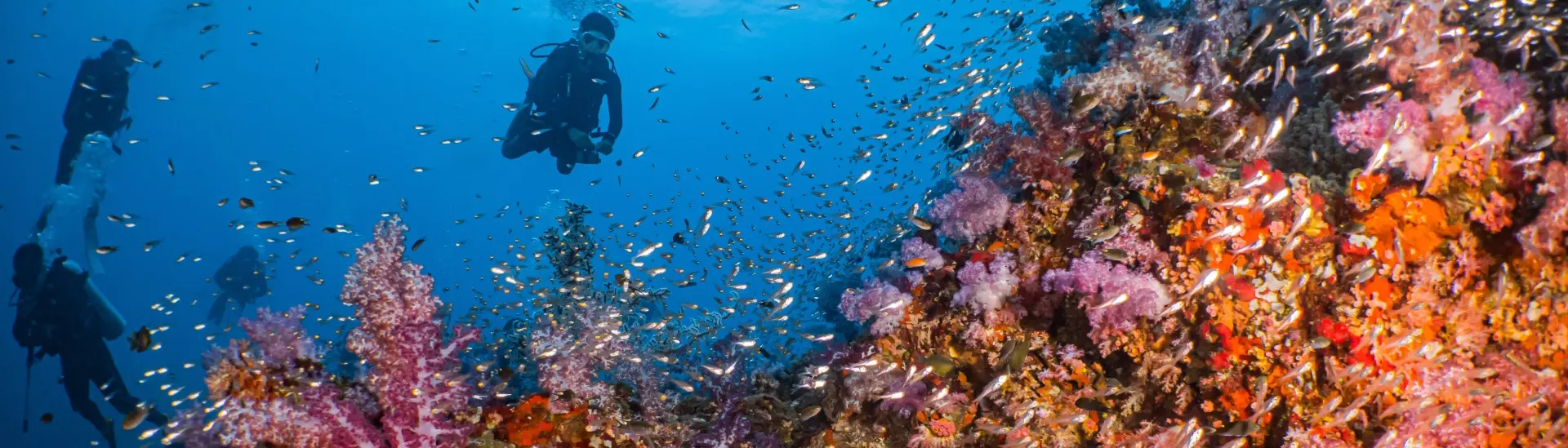
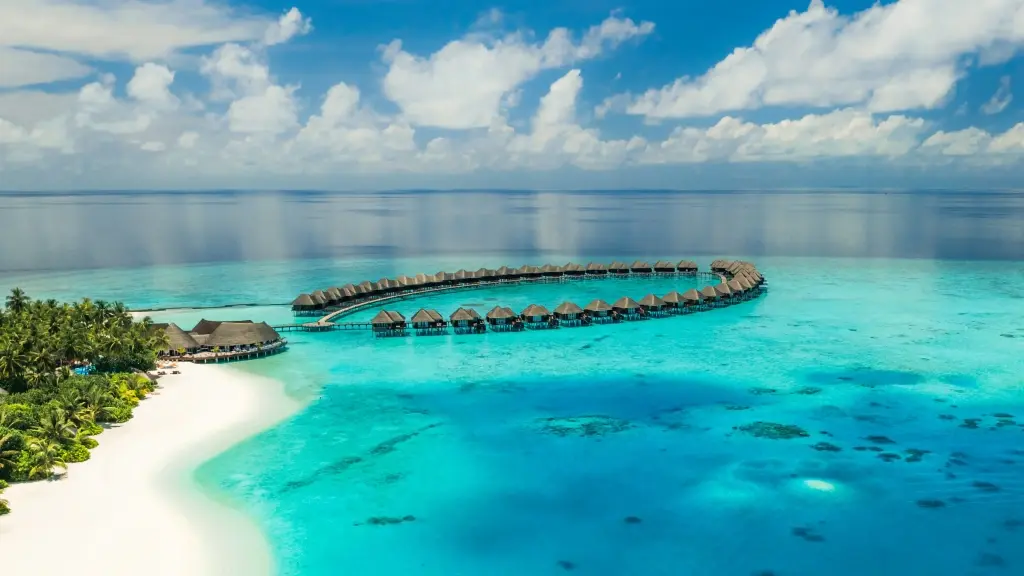
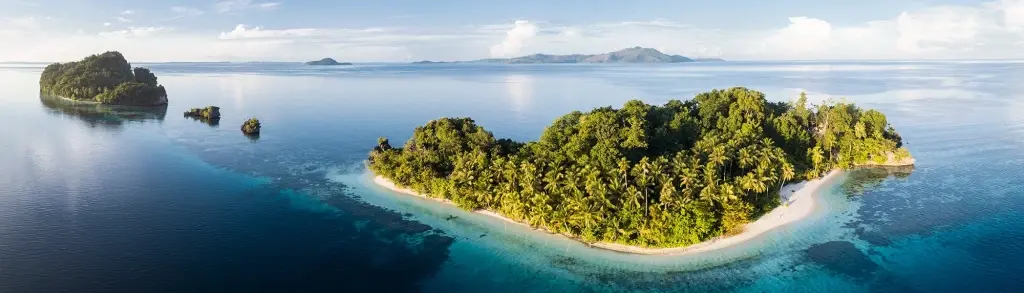
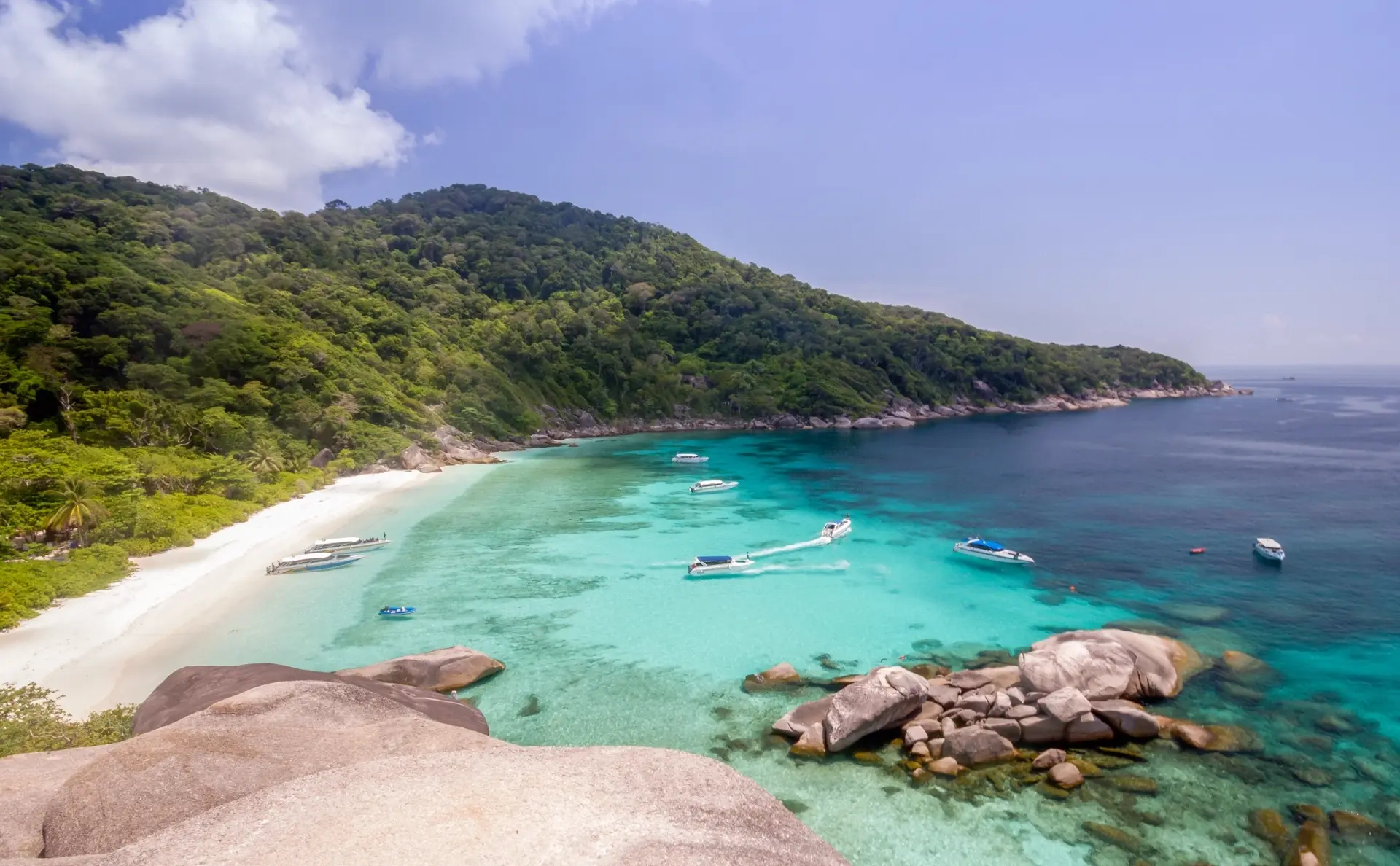
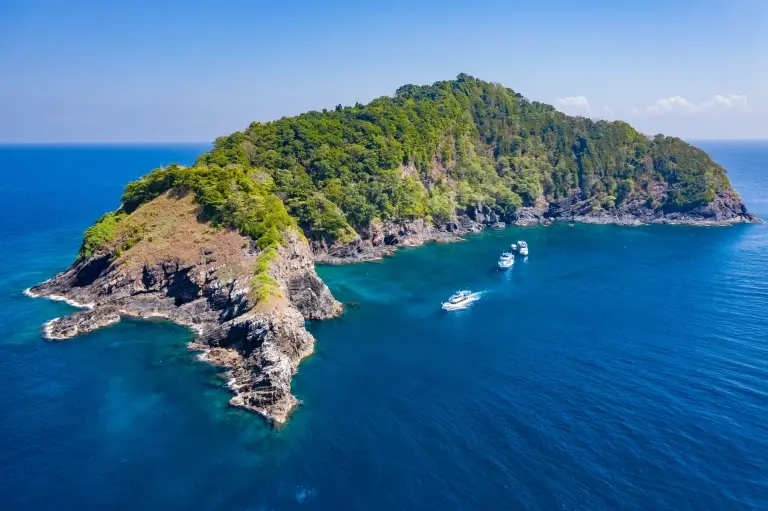
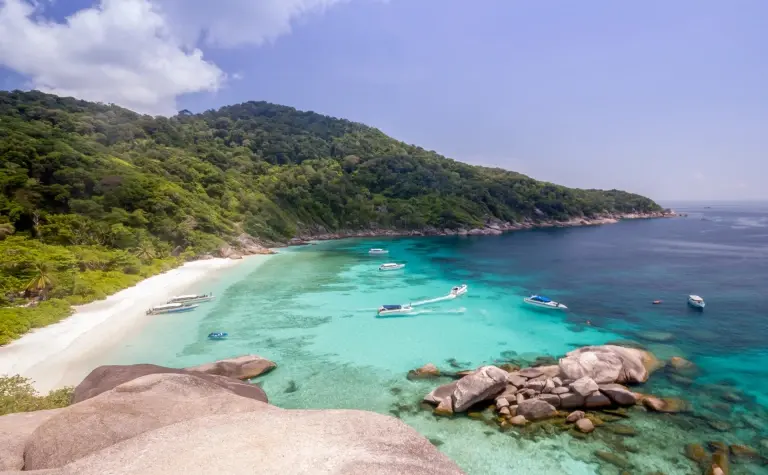
The Similan & Surin Islands, along with the world-renowned Richelieu Rock, encompass some of Thailand’s most iconic dive sites. Accessible primarily by liveaboard from Phuket or Khao Lak, this northern Andaman Sea region combines stunning above-water scenery with exceptional underwater diversity. Towering granite boulders, white sand beaches, and lush tropical forests provide a dramatic backdrop to coral gardens, swim-throughs, and pinnacles that host a wide range of marine life.
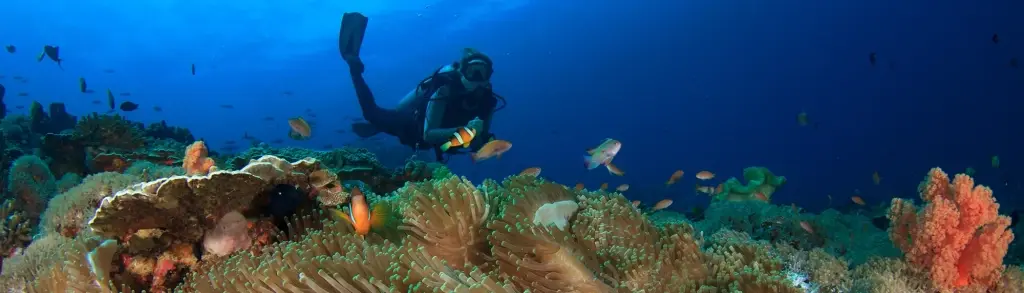
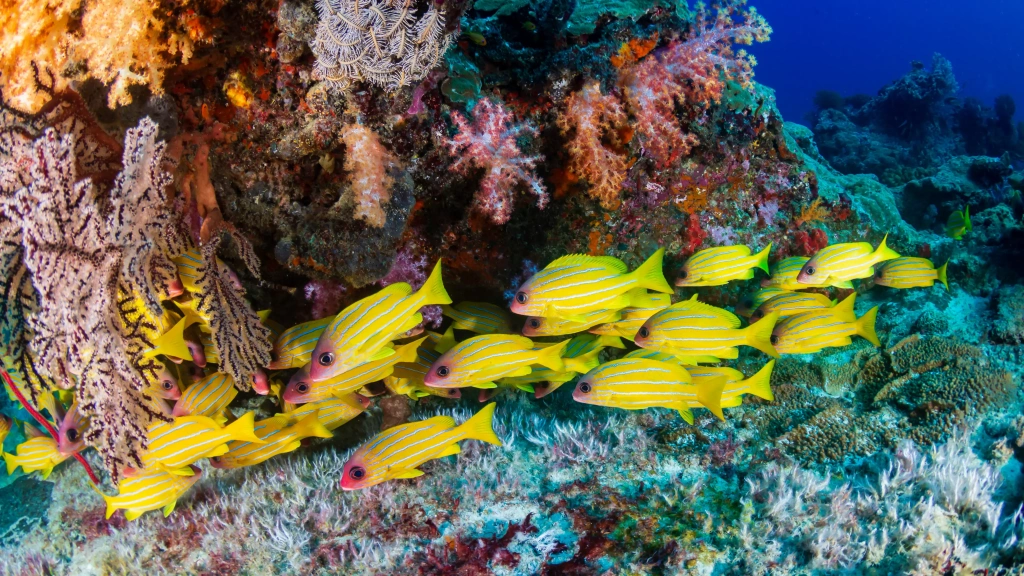
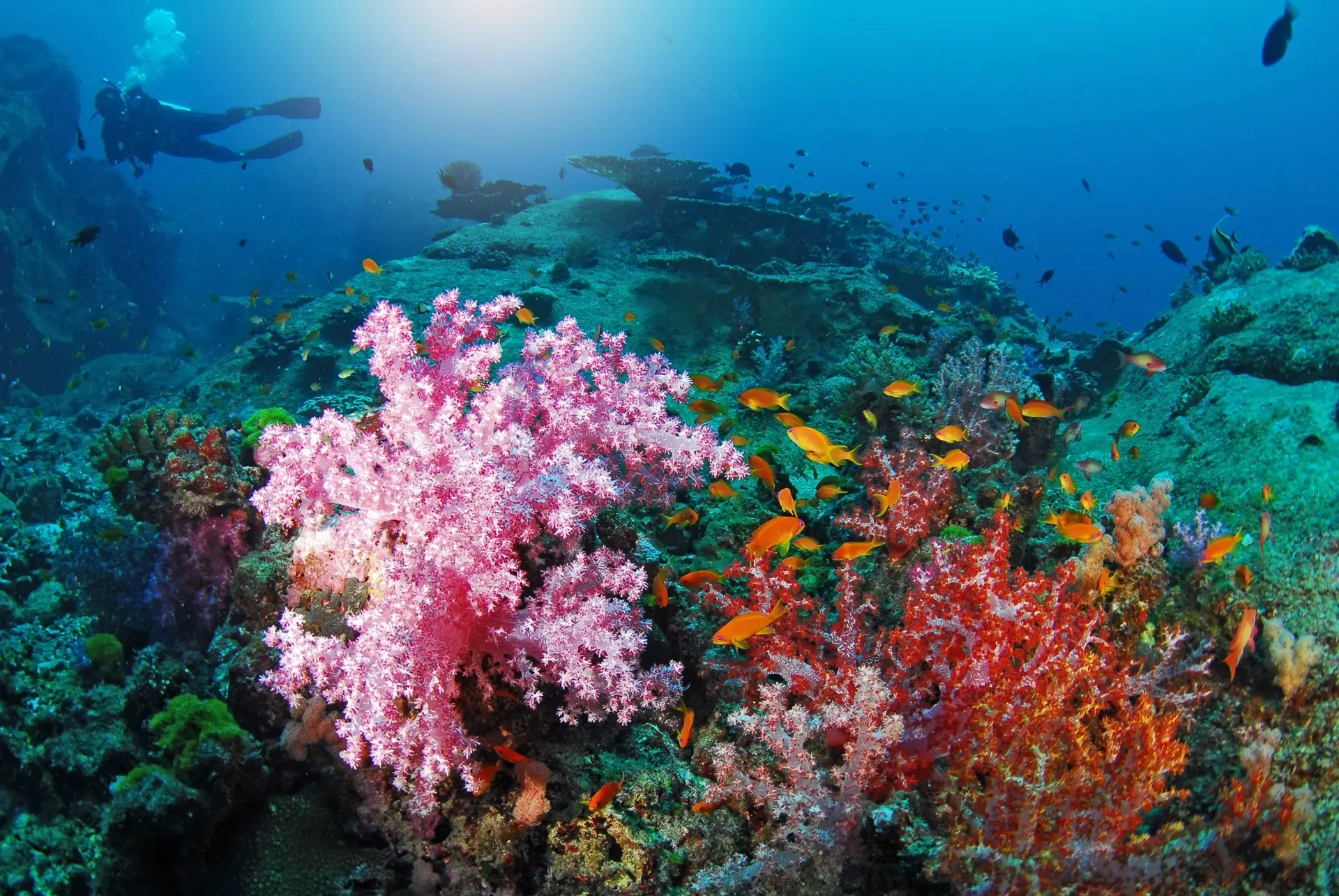
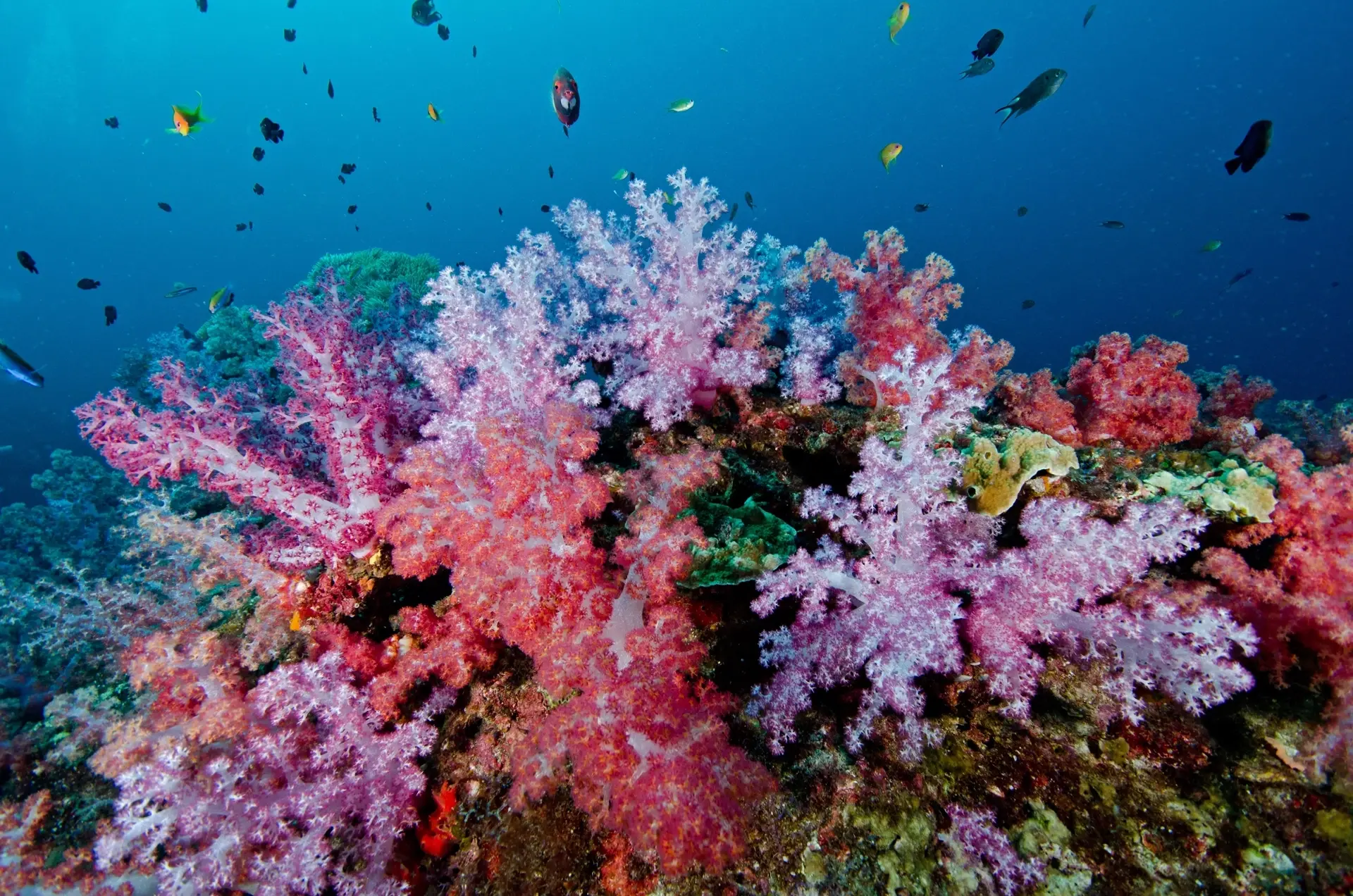
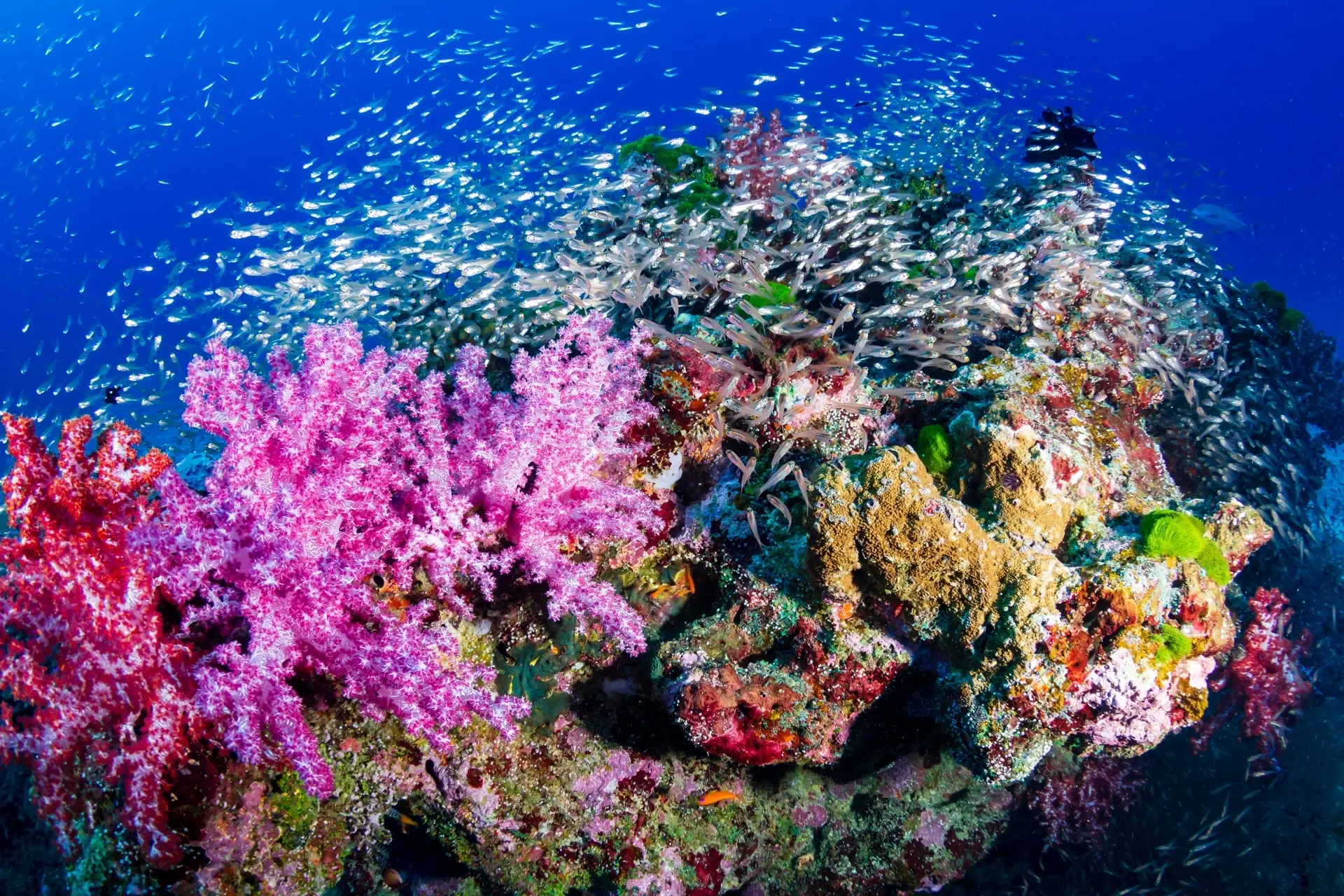
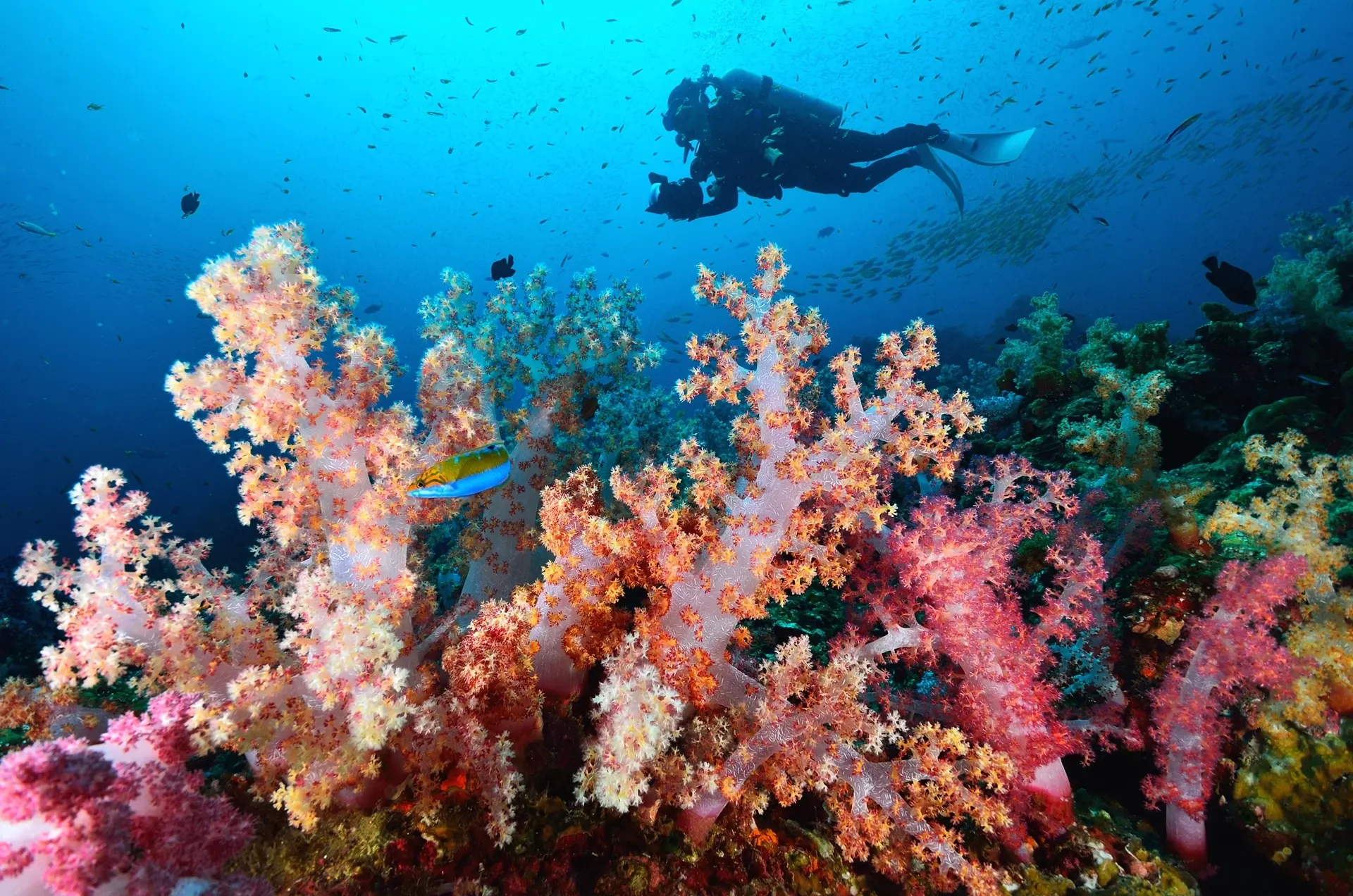
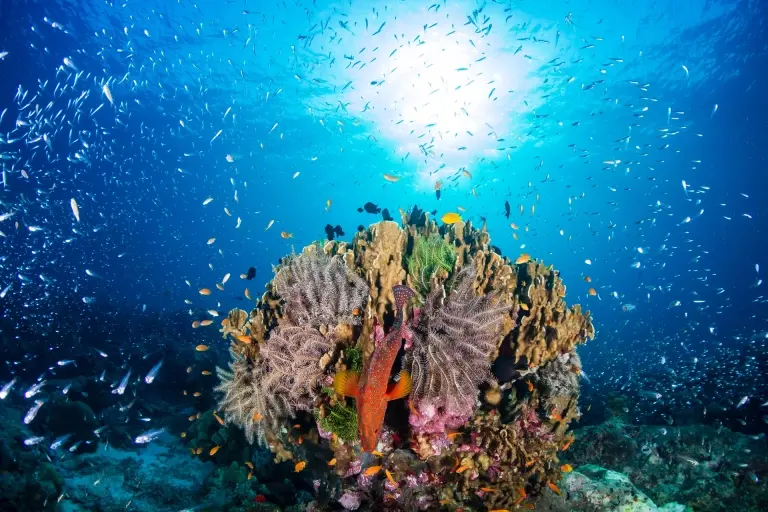
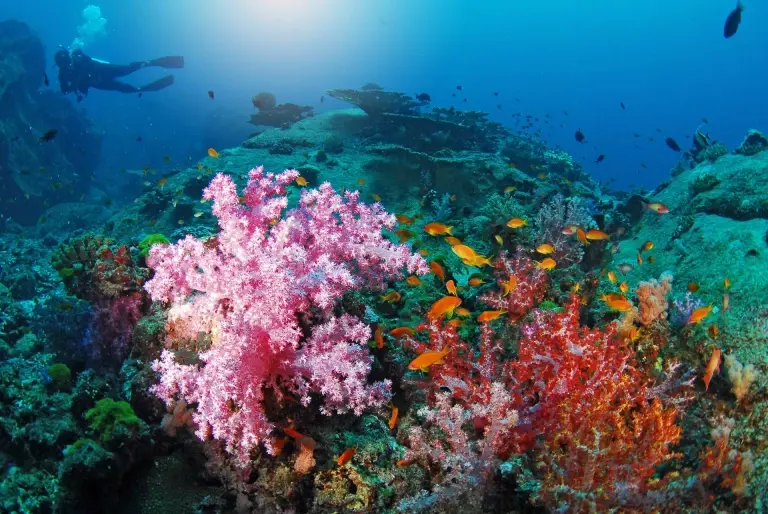
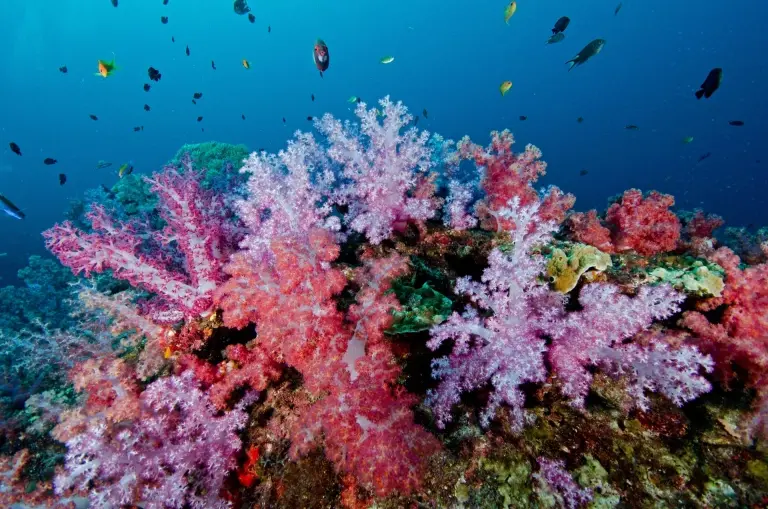
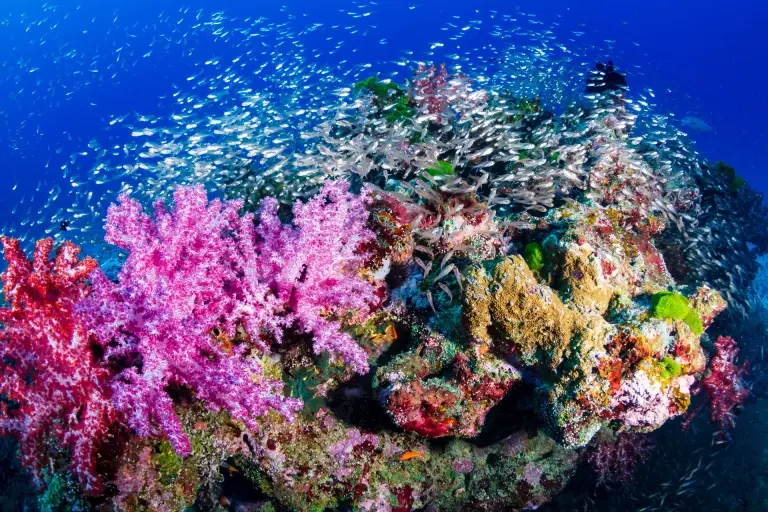
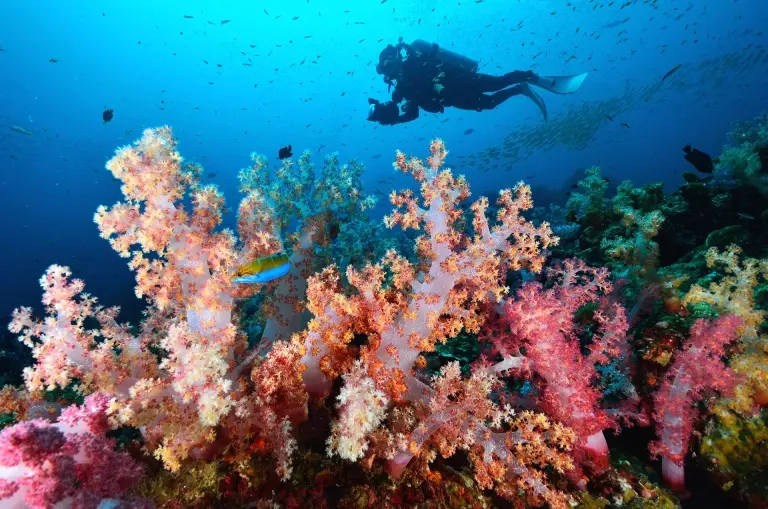
The east and west coasts of the Similan Islands offer contrasting diving experiences. Gentle eastern slopes are alive with thriving hard and soft corals, colourful reef fish, and occasional leopard sharks, while the western side presents deeper drift dives across massive granite outcrops, gorges, and walls that attract larger pelagic species.
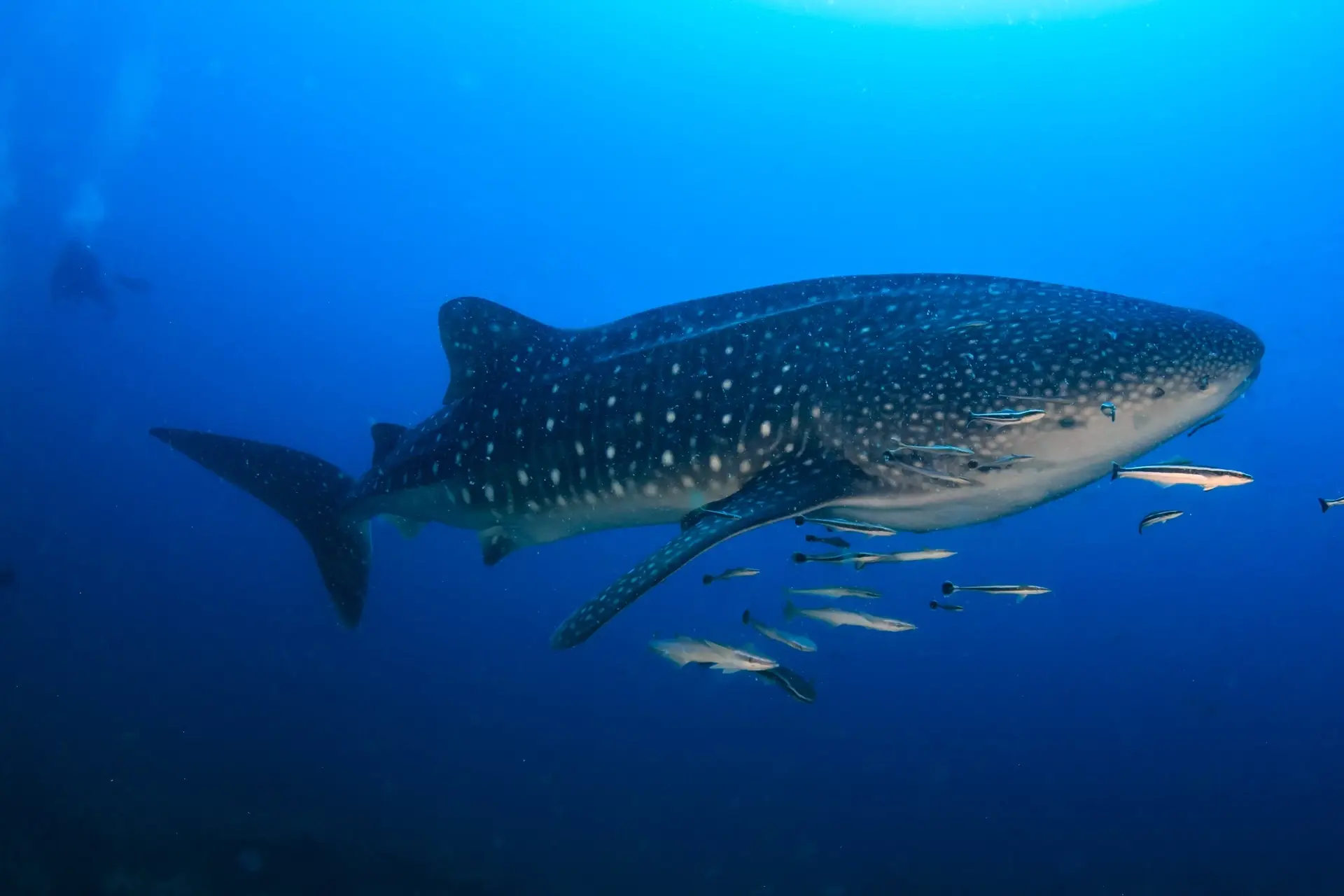
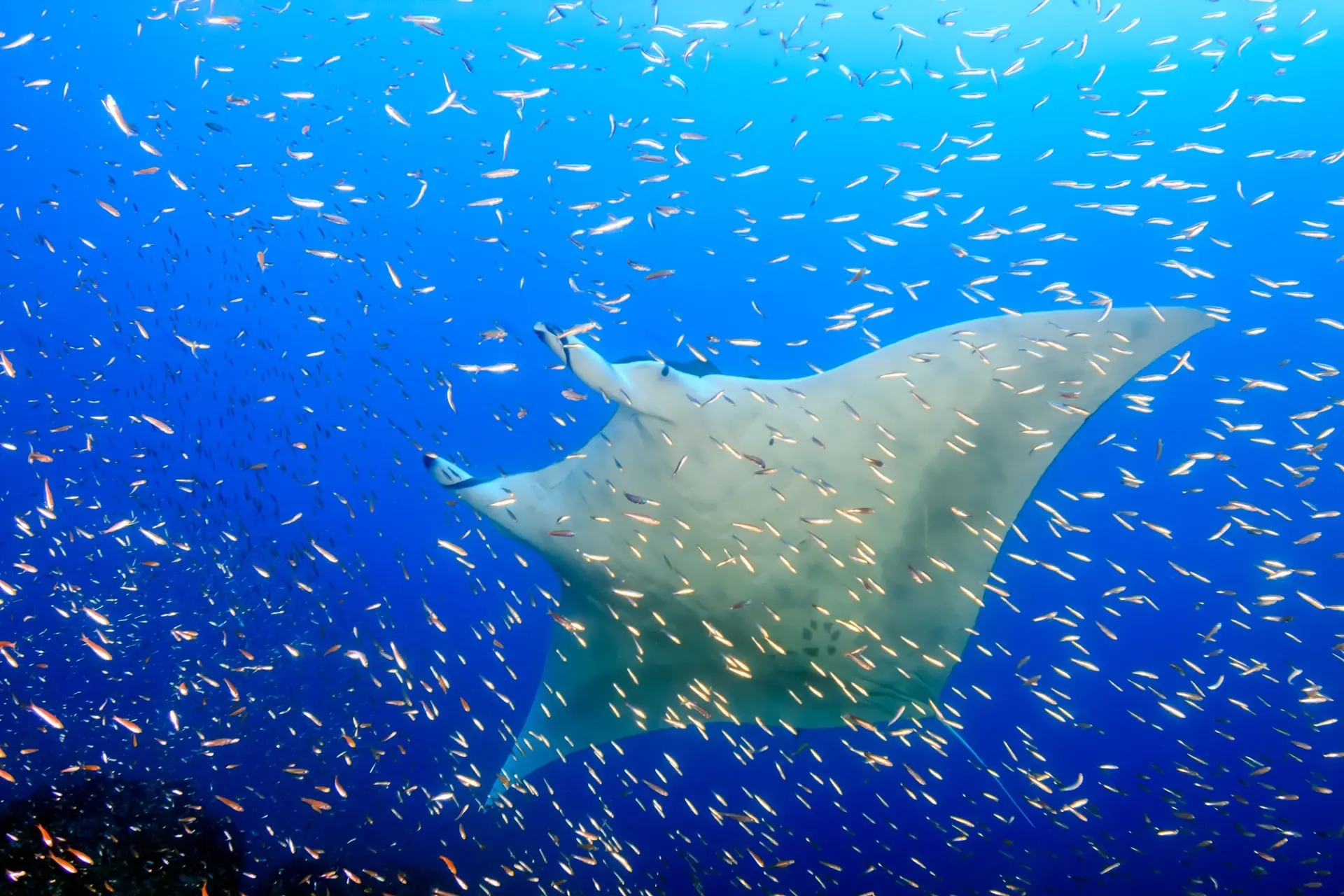
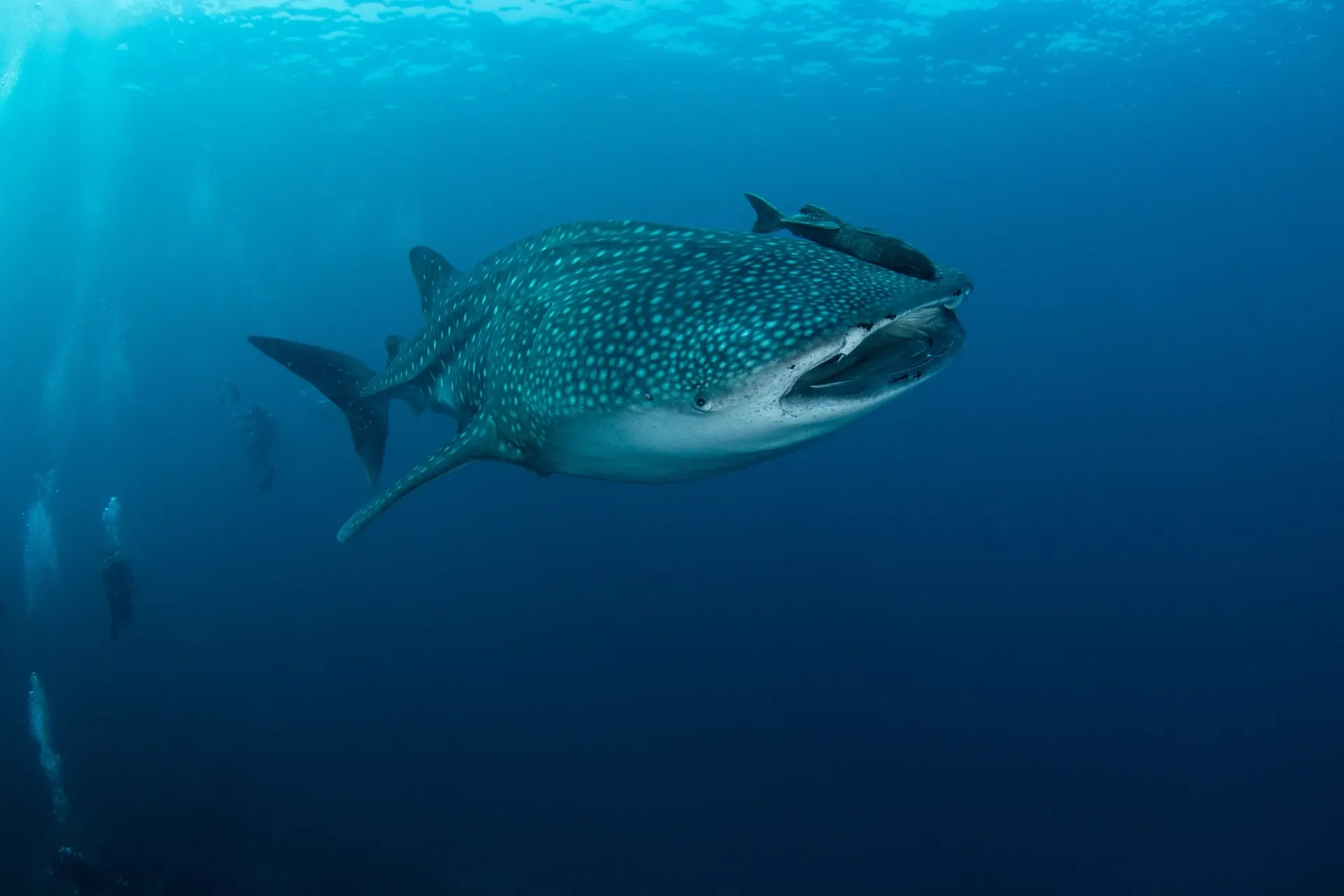
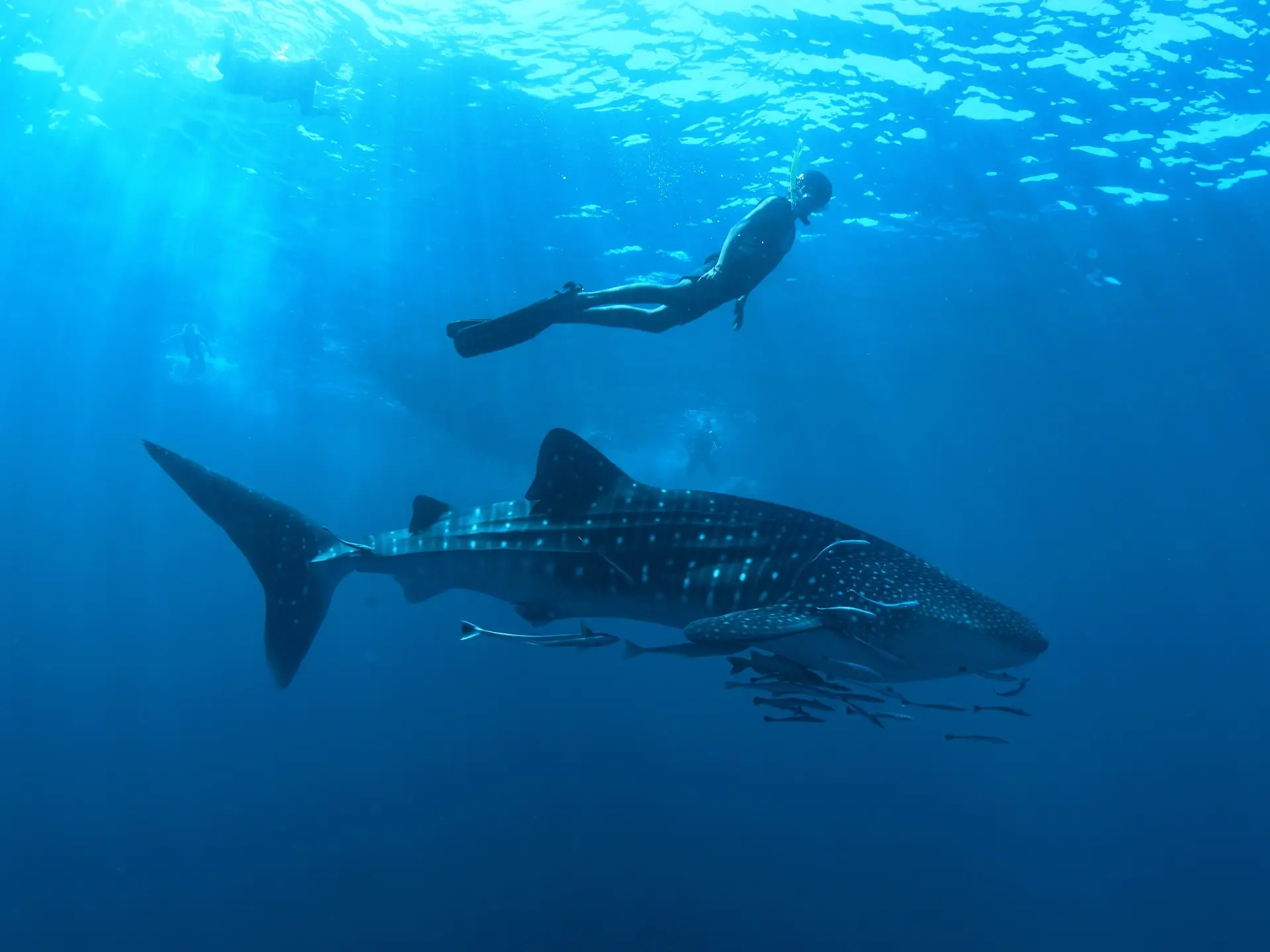
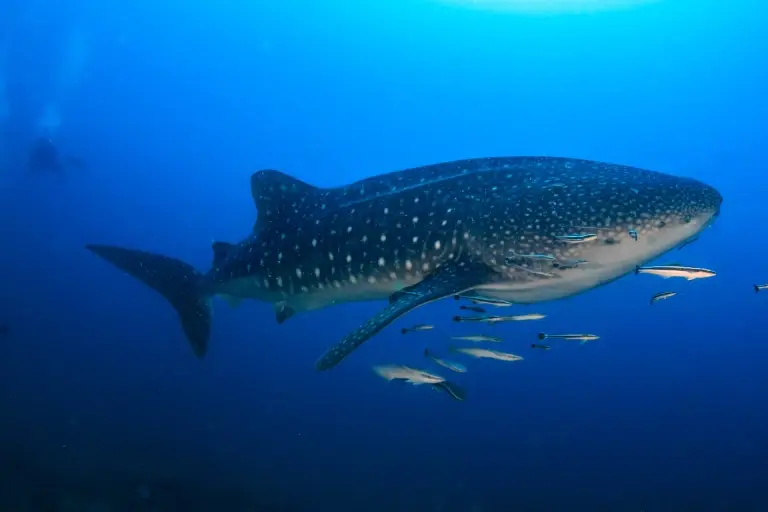
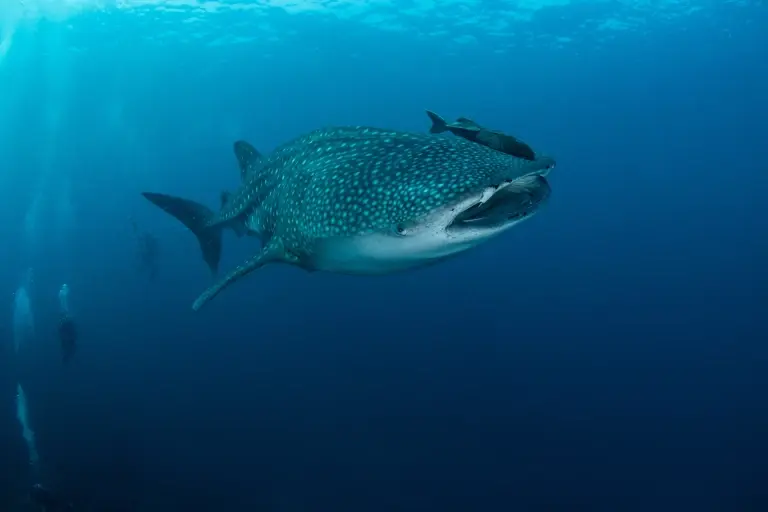
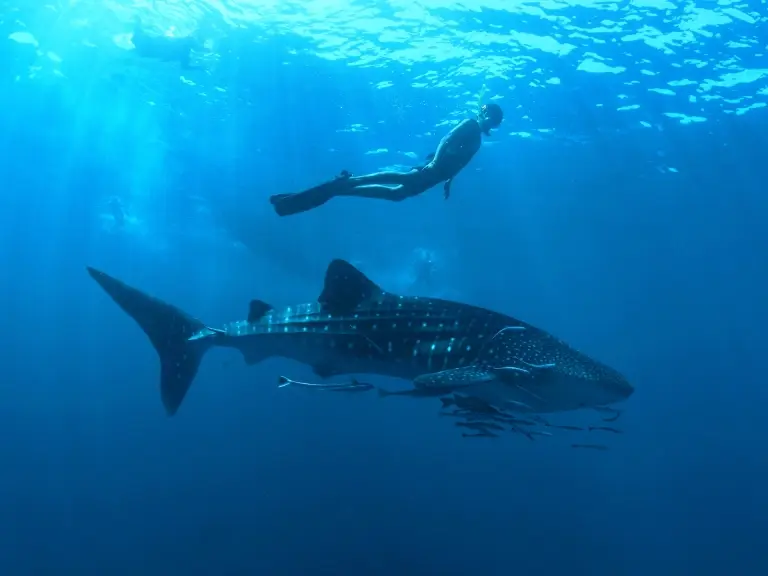
Northwards, Koh Bon and Koh Tachai are renowned for manta ray cleaning stations, while Richelieu Rock, a submerged pinnacle east of the Surin Islands, is a magnet for whale sharks and an abundance of schooling fish. Together, these sites create a playground for divers seeking both adventure and excellent diving.
Qualified Divers
The diving around the Similan & Surin islands suit those that are already qualified to dive and have at least a few dives’ experience. Many of the dive sites extend below 18 metres and require an Advanced Open Water qualification, however this can be completed on your liveaboard, or in resort prior to boarding.
With typically short liveaboard itineraries and accessible, yet highly enjoyable dive sites, the area is great for those either looking for a first liveaboard experience, or those looking for a relaxing and fun diving adventure.
Similan Islands
View Liveaboards View Departures Send Enquiry Speak to an expert. Call 01353 659999
Highlights
- Explore vibrant coral gardens on the Similan Islands’ east coast
- Drift along dramatic granite formations
- Spot manta rays at Koh Bon or Koh Tachai
- Encounter whale sharks at Richelieu Rock
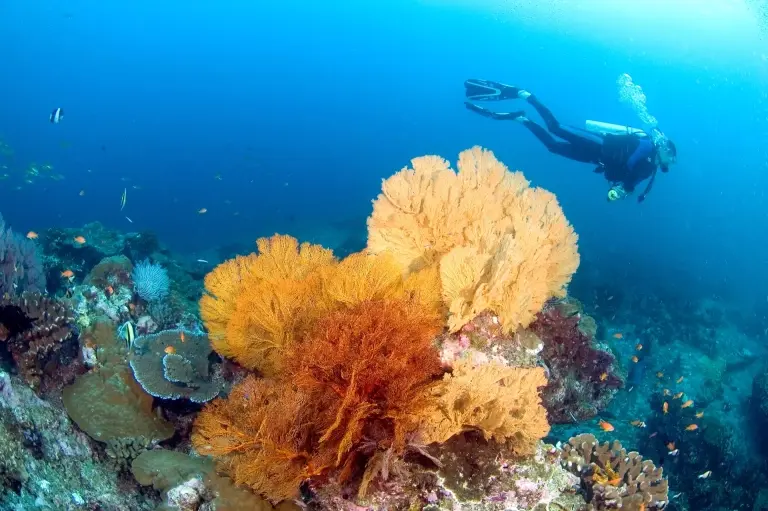
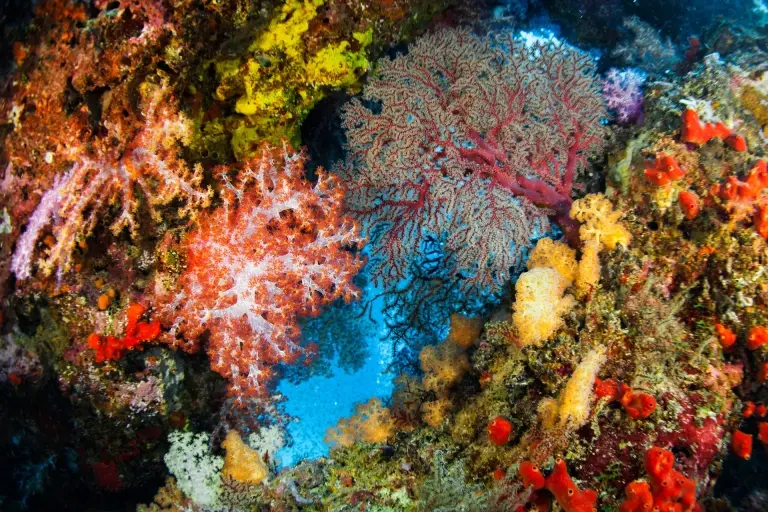
- Photograph colourful reefs, sea fans, & abundant marine life
- A superb option for a first liveaboard experience
Similan Islands Liveaboards

MV Marco Polo
This 23 metre liveaboard takes you on diving adventures to some of the best dive spots the Andaman Sea has to offer.
From £1,150

Thailand Aggressor
Comfortably accommodating up to 16 passengers in eight Staterooms, the Thailand Aggressor is 35 metres long with a 7 metre beam.
From £2,012

The Junk Liveaboard
Originally a cargo vessel, the Junk liveaboard now sails to the best dive sites in the Andaman Sea with 3 masts and a teak…
From £686
Upcoming departures
Upcoming departures for Similan Islands are listed below or view all departures on our Holiday Search where you can also sort/filter.

MV Marco Polo
£1,150
- Departure Date: 26 Oct 26
- Country / Itinerary: Thailand, Similan Islands, Koh Bon, Koh Tachai, Richelieu 4 Days/4 Nights
- Nights: 4
- Embark Disembark: Taplamu Taplamu
- Spaces Available: 12
Additional information
- Dive areas visited: Thailand: Richelieu Rock, Thailand: Kho Bon & Koh Tachai, Thailand: Similan Islands
- Typical number of dives on trip: 15 dives
- Minimum dive experience: 5 dives
- Required certification: Open Water Diver
- Included in price:
– All Meals, Water, Soft Drinks, Tea and Coffee
– Dive guide, Tanks and Weights
- Additional costs to be aware of:
– All Meals, Water, Soft Drinks, Tea and Coffee
– Dive guide, Tanks and Weights
– Dive Equipment (per day/full set): ฿750 THB
– National Park Fee: ฿2,300 THB
Cabins.
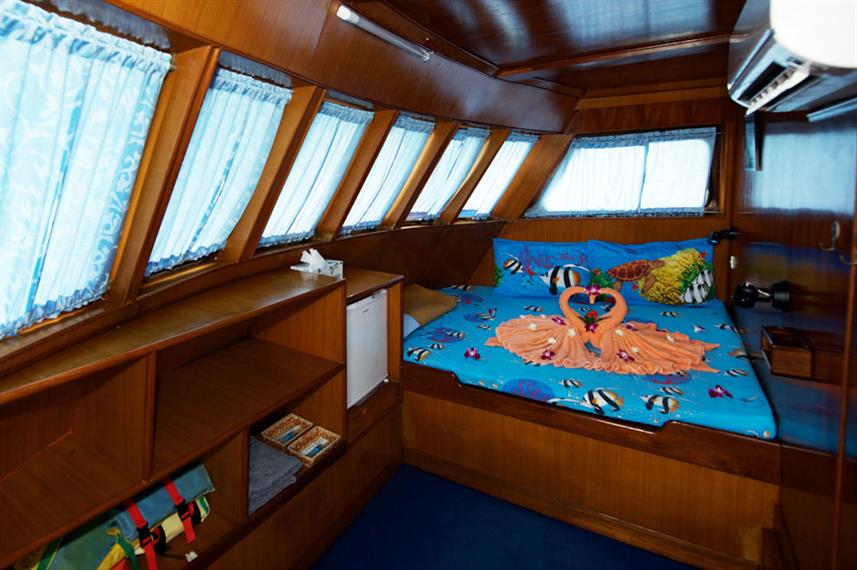
Cabin with AC
- Location: Deck not specified
- Avble. Spaces: 12
- Air Con: Yes, individually controlled
- Ensuite: Yes

The Junk Liveaboard
Offer
£686
857.00
- Departure Date: 27 Oct 26
- Country / Itinerary: Thailand, Similan & Surin Islands, 4 nights
- Nights: 4
- Embark Disembark: Taplamu Taplamu
- Spaces Available: 1
Additional information
- Dive areas visited: Thailand: Similan Islands, Thailand: Kho Bon & Koh Tachai, Thailand: Surin Islands, Thailand: Richelieu Rock
- Typical number of dives on trip: 14 dives
- Minimum dive experience: 10 dives
- Required certification: OWD or equivalent
- Additional costs to be aware of:
– Marine, park and port fees (on board, per trip):
$65
– Fuel Surcharge (on board, per trip): $40
Cabins.
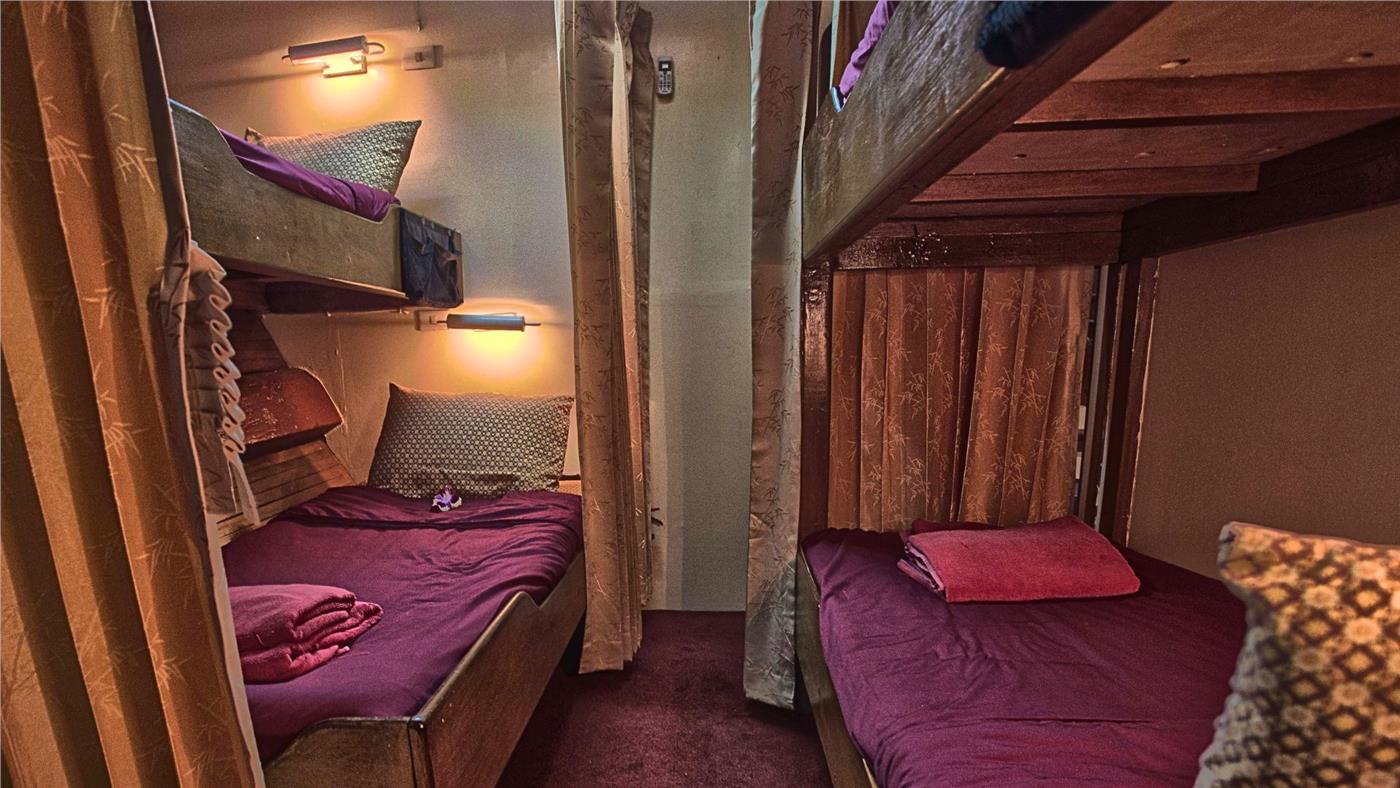
Classic Quad
- Bed Type: Bunk
- Location: Lower deck
- Avble. Spaces: 1
- Air Con: Yes, individually controlled
- Ensuite: Yes
The Junk Liveaboard
Offer
£1,027
1284.00
- Departure Date: 31 Oct 26
- Country / Itinerary: Thailand, Similan & Surin Islands, 6 nights
- Nights: 6
- Embark Disembark: Taplamu Taplamu
- Spaces Available: 3
Additional information
- Dive areas visited: Thailand: Similan Islands, Thailand: Kho Bon & Koh Tachai, Thailand: Surin Islands, Thailand: Richelieu Rock
- Typical number of dives on trip: 19 dives
- Minimum dive experience: 10 dives
- Required certification: OWD or equivalent
- Additional costs to be aware of:
– Marine, park and port fees (on board, per trip):
$80
– Fuel Surcharge (on board, per trip): $60
Cabins.
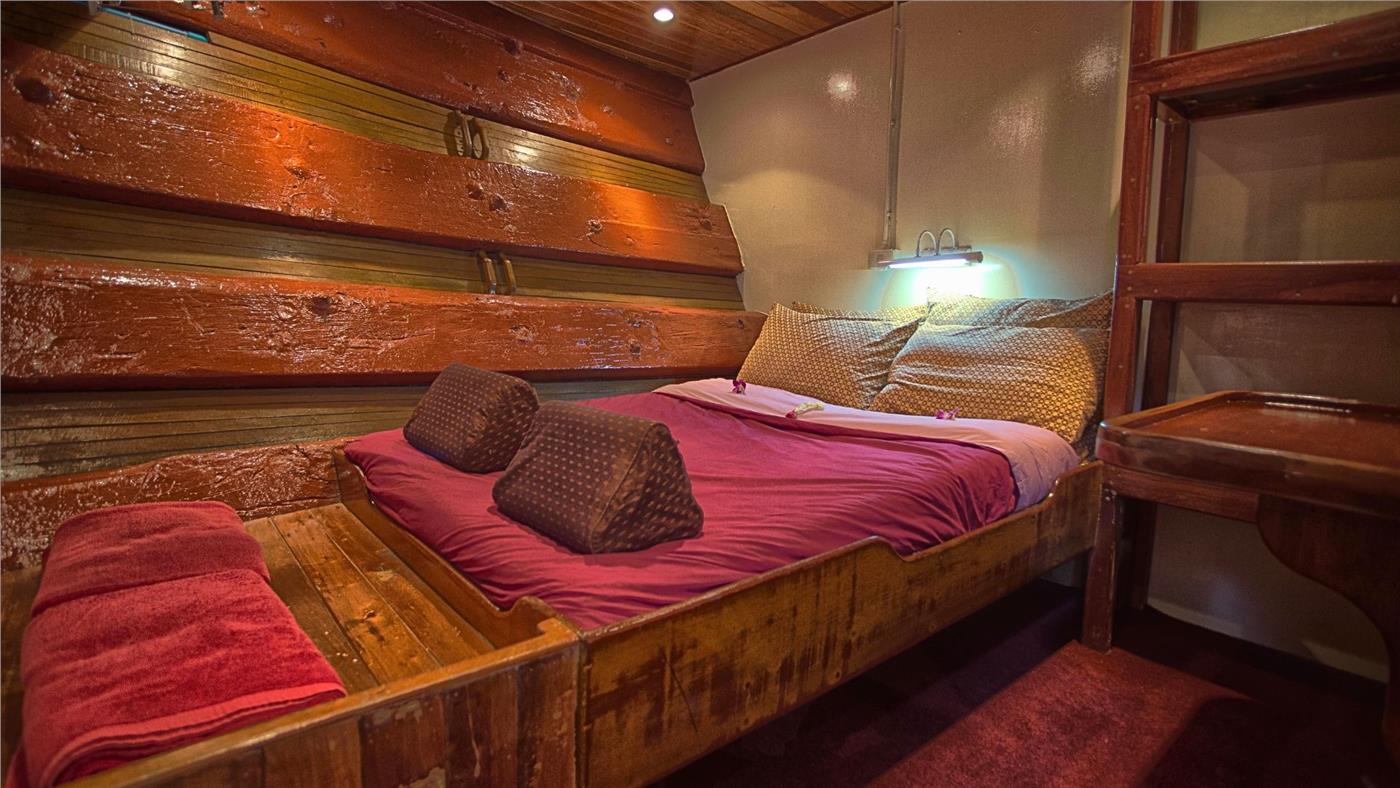
Classic Twin/Double
- Bed Type: Twin / Double (2 singles can convert to double)
- Location: Lower deck
- Avble. Spaces: 2
- Air Con: Yes, individually controlled
- Ensuite: Yes
Classic Quad
- Bed Type: Bunk
- Location: Lower deck
- Avble. Spaces: 1
- Last Shared Space: Male
- Air Con: Yes, individually controlled
- Ensuite: Yes
MV Marco Polo
£1,400
- Departure Date: 31 Oct 26
- Country / Itinerary: Thailand, Similan Islands, Koh Bon, Koh Tachai, Richelieu Rock 5 Days/5 Nights
- Nights: 5
- Embark Disembark: Taplamu Taplamu
- Spaces Available: 12
Additional information
- Dive areas visited: Thailand: Richelieu Rock, Thailand: Kho Bon & Koh Tachai, Thailand: Similan Islands
- Typical number of dives on trip: 19 dives
- Minimum dive experience: 6 dives
- Required certification: OWD
- Included in price:
– Transfers from Phuket and Khao Lak
– All Buffet food, fruits, snacks, water, tea, soft drinks, and coffee
– Nitrox, tanks, and dive guide
- Additional costs to be aware of:
– Transfers from Phuket and Khao Lak
– All Buffet food, fruits, snacks, water, tea, soft drinks, and coffee
– Nitrox, tanks, and dive guide
– National Park Fee for all days: ฿3,000 THB
– Equipment rental full set per day: ฿750 THB
Cabins.
Cabin with AC
- Location: Deck not specified
- Avble. Spaces: 12
- Air Con: Yes, individually controlled
- Ensuite: Yes
MV Marco Polo
£1,150
- Departure Date: 05 Nov 26
- Country / Itinerary: Thailand, Similan Islands, Koh Bon, Koh Tachai, Richelieu 4 Days/4 Nights
- Nights: 4
- Embark Disembark: Taplamu Taplamu
- Spaces Available: 2
Additional information
- Dive areas visited: Thailand: Richelieu Rock, Thailand: Kho Bon & Koh Tachai, Thailand: Similan Islands
- Typical number of dives on trip: 15 dives
- Minimum dive experience: 5 dives
- Required certification: Open Water Diver
- Included in price:
– All Meals, Water, Soft Drinks, Tea and Coffee
– Dive guide, Tanks and Weights
- Additional costs to be aware of:
– All Meals, Water, Soft Drinks, Tea and Coffee
– Dive guide, Tanks and Weights
– Dive Equipment (per day/full set): ฿750 THB
– National Park Fee: ฿2,300 THB
Cabins.
Cabin with AC
- Location: Deck not specified
- Avble. Spaces: 2
- Air Con: Yes, individually controlled
- Ensuite: Yes
Similan Islands Itineraries

Dive & Explore Thailand
Join this small-group trip combining a liveaboard in the Similans with Thai cooking, an elephant sanctuary and jungle lakes.
12 days from £3,905
North Tour
Experience the northern Andaman Sea with THE manta cleaning station of Koh Bon, Richelieu Rock’s famed biodiversity and Koh…
The Similan Islands, Koh Bon and Koh Tachai, Richelieu Rock
Enjoy the beauty of the Similan Islands on this enjoyable Thailand liveaboard. A great introduction to the world of liveaboard…
Gallery



Similan Islands Information
Dive sites
The dive sites you may visit on a holiday to dive the Similan Islands include:
Anita's Reef - Barracuda’s Point, “Hin Muan Deaw”
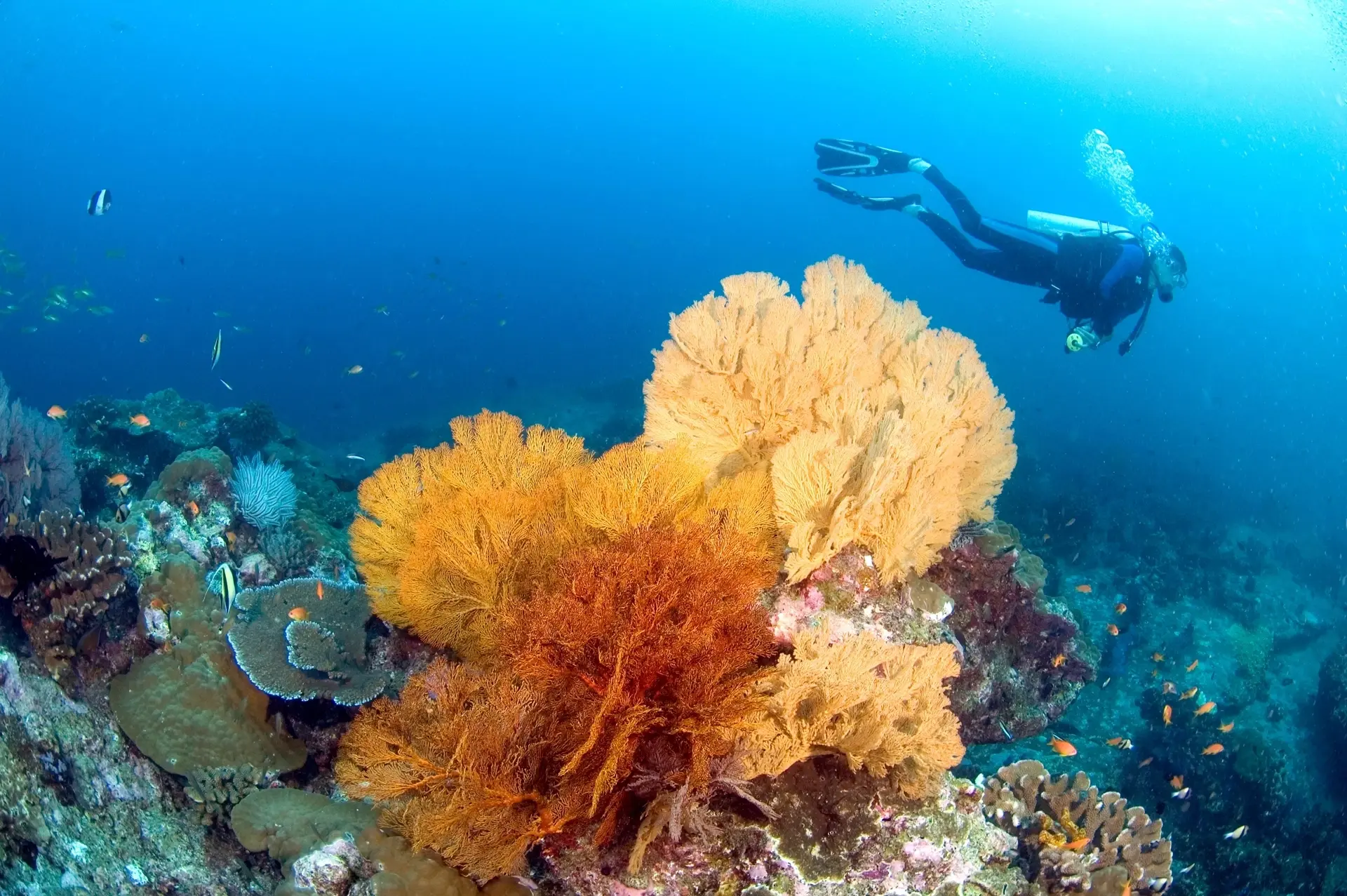
The Thai name for this spectacular rock is “Hin Muan Deaw” and is the best way to describe how beautiful this rock really is, as it directly translates to “Whole roll (of film) rock”, as one can use an entire roll film solely on this rock. The reef slope falls from the reef flat at 15 – 35 ft (5 – 10 m) to the sand bottom at a maximum of 85 – 90 ft (26 - 28 m). Shallow coral gardens comprise huge pore and staghorn corals with small pinnacles. A big outcrop located on the southeast makes this dive site unique and attracts many photographers. Colorful soft corals, gigantic sea fans, and many species of hard corals surround this fantastic rock.
West of Eden
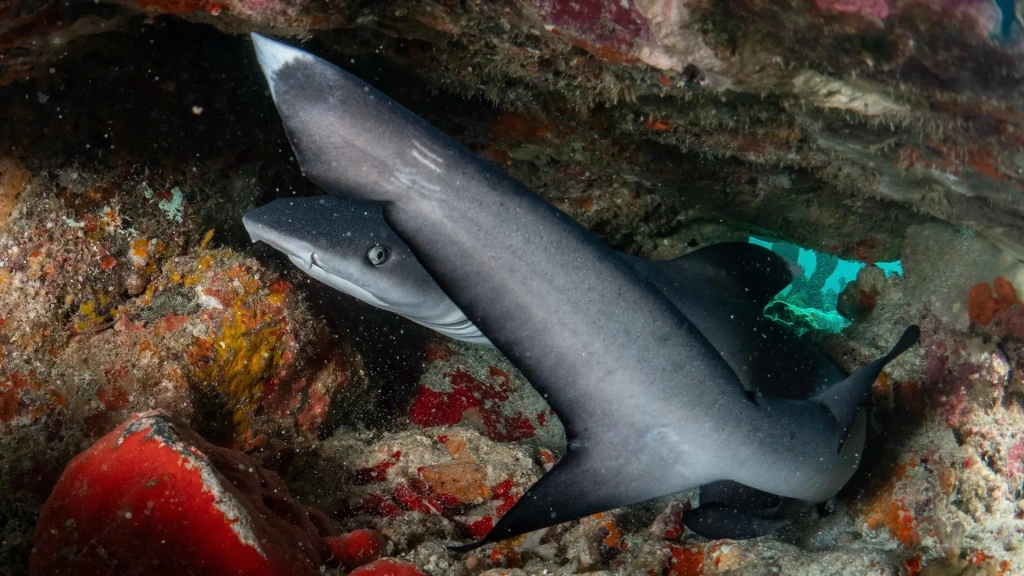
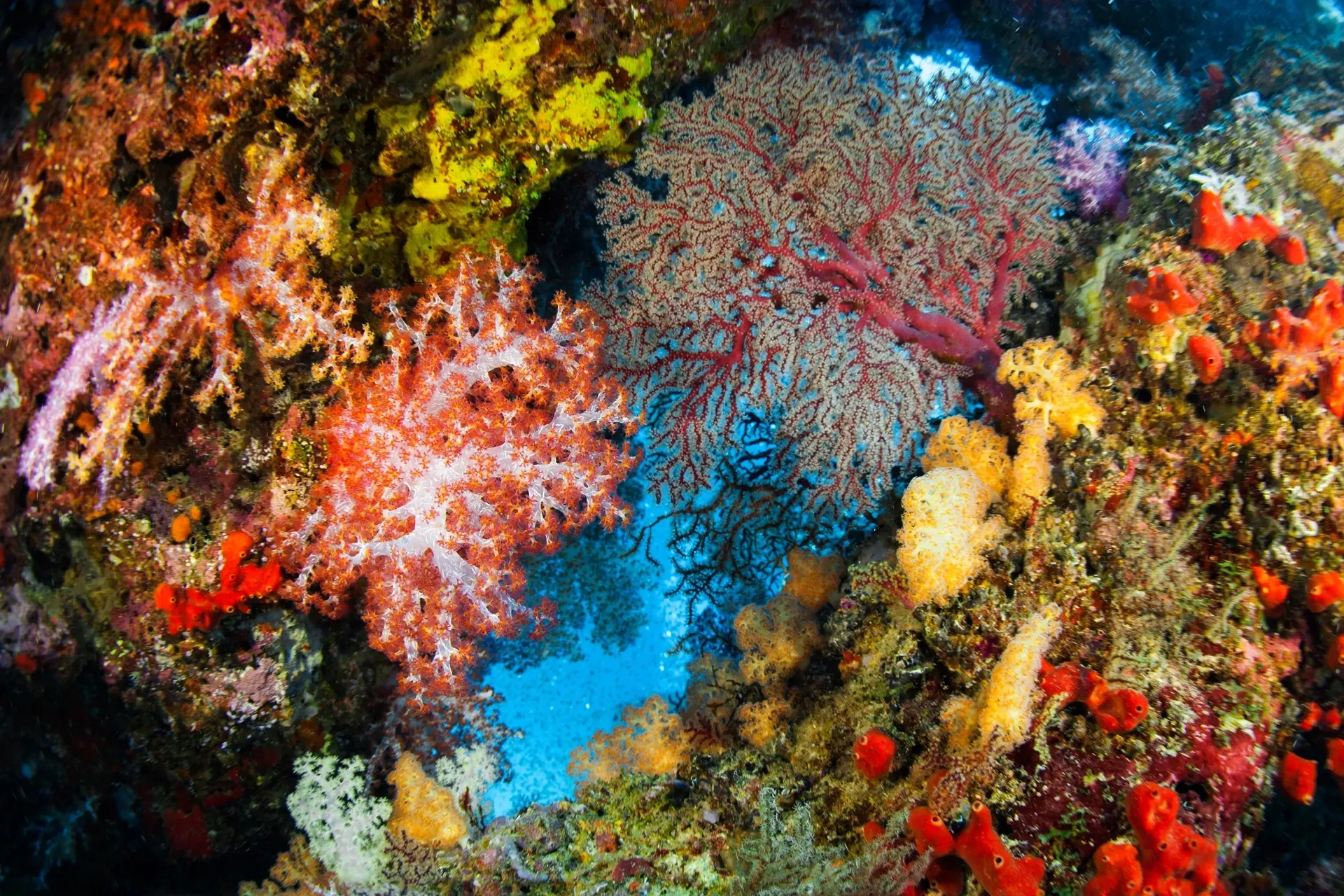
West of Eden basically comprises giant granite boulders that create nice canyons, with walls covered with colorful soft corals and giant sea fans. Some areas are characterized by rubble and sand slope falling to a depth of 100 – 115ft (30 - 35 m). The shallows are home to many reef fishes, and have stacked granite boulders covered with hard corals, soft corals, gorgonians and feather stars. This area is a nice place to look for macro subjects like nudibranchs and frogfish. Keep an eye out for cleaner pipefish and many banded pipefish in small crevices, as well as long-nose hawkfish perched in black coral bushes. The rubble and sand slope are good place to search for ribbon eels, dragonets and red fire gobies. Back at the reef, moray eels are quite common, as well as turtles and schools of angelfish. Occasionally, whitetip reef sharks cruise by.
Bon - Koh Bon West Ridge, Koh Talu
The wall, part of the Similan National Park, is decorated with various colorful soft corals and hard corals. From the ridge to the northeastern side are reefs that stretch along island. The reef slopes from a depth of 30 ft (10 m) down to a sandy bottom at 80 – 100 ft (25 - 30 m). The majority of corals here are hard corals, including staghorn coral and brain coral that are interspersed with a few big coral heads. To the northwest of the island, there is a submerged pinnacle. The pinnacle is at a depth of 60 – 150 ft (18 - 45 m) and is covered by an abundance of yellow soft corals and large sea fans. This site is a cleaning station for manta rays, so there is a high chance of finding at least one during a dive, particularly at the western ridge and northeastern outer reef. Koh Bon also has many kinds of sharks, such as leopard sharks and whitetip and blacktip reef sharks. Sometimes grey reef sharks swim by, and nurse sharks can be seen lying under coral heads. Schools of yellowtail barracuda, fusiliers, trevally, sweetlips and black and white snappers are all common in the area, as well as octopuses, sea snakes, and nudibranchs.
Tachi Reef – Leopard Shark Reef
Tachai Reef stretches through the eastern side of the island, going from the northeast to the southwest. The reef slope falls from 16 – 33 ft (5 - 10 m) to the sand floor at 82 – 98 ft (25 - 30 m). Hard corals cover the entire area, most of which are staghorn corals, pore corals, brain corals, and fire corals. In the southern part, the gentle slope becomes a steep drop-off that continues from the island down to 98 ft (30 m). Divers regularly see leopard sharks lying at the outer sandy area and sometimes in shallow areas. Large stingrays are found on occasion too. General reef fish include pufferfish, lionfish, parrotfish, and moray eels. At night, several species of crabs and shrimp come out to hunt. It is possible to see twin-spotted lionfish, a rare species of lionfish that tends to be shy and hide in crevices. Cuttlefish, nudibranchs and flatworm are also common.
Richelieu Rock – Hin Plo Naam
One of the most famous dive sites of Thailand, Richelieu Rock is an isolated pinnacle to the east of Surin Islands. Forming a horseshoe figure, the pinnacle fall steeply to the surrounding sand bottom at a maximum depth of 115 ft (35 m). The south side is a bay with a slope that gently falls to the deep, while the rest comprises sheer walls, groups of rock and numerous small caves that are home to various marine life. The majority of corals are colorful soft corals jostling against the wall, accompanied by huge sea fans, hard corals and sea anemones.
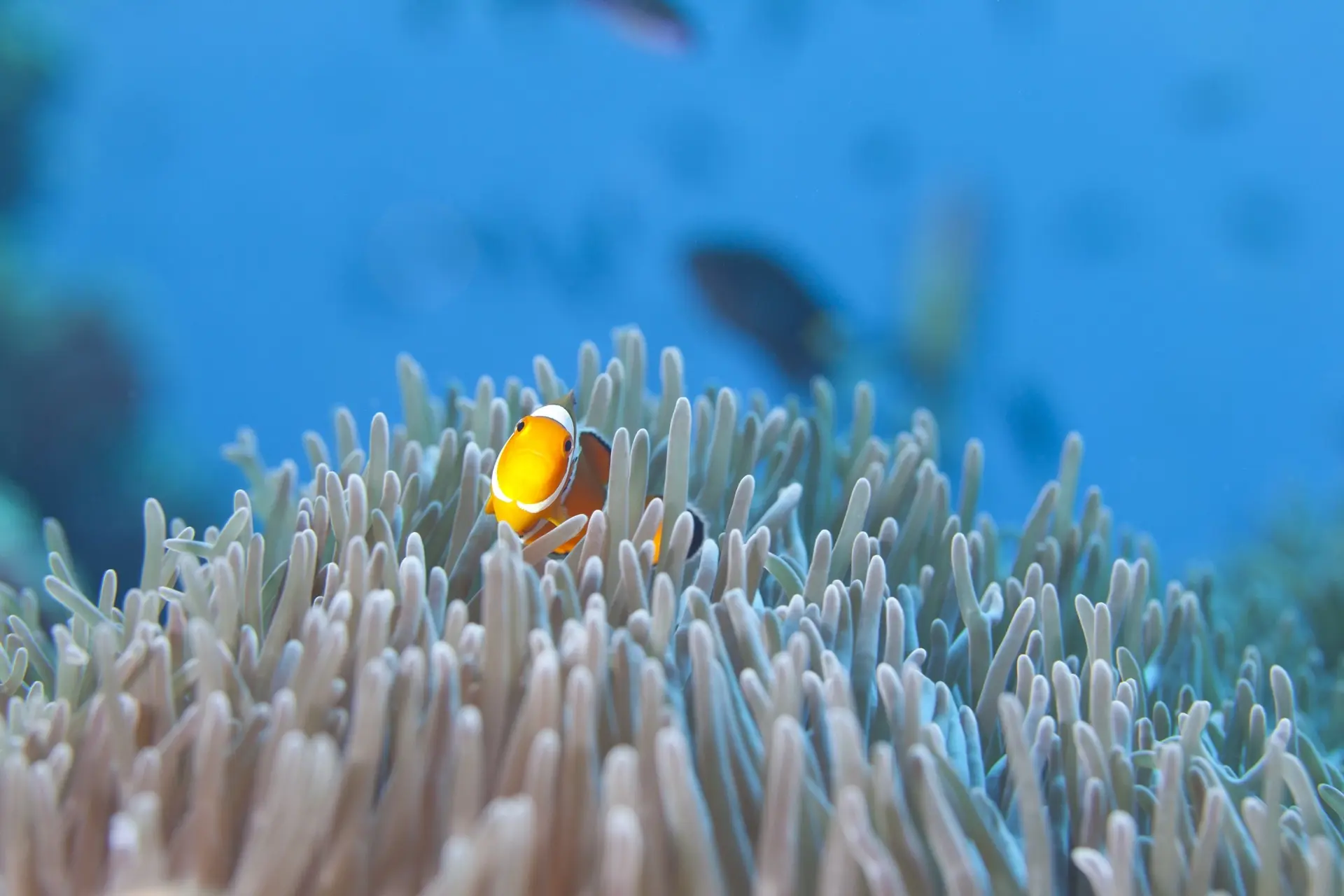
Due to the diversity of small and large creatures, Richelieu Rock is a paradise for underwater photographers. Ghost pipefish, frogfish, harlequin shrimp, seahorses, Janss pipefish are some of the smaller marine life that can be spotted here. Also, divers have often encountered cuttlefish mating. In addition, plenty of anemone fish species, particularly tomato clownfish, are regularly sighted. Different types of moray eels such as giant moray, zebra moray, and white-eyed moray are common. Pelagic fish swarming around the small outcrops include chevron barracuda, rainbow runners, and giant groupers resting on the sand floor are a common sight. Lastly, this site is famous in Thailand for being a hotspot for encounters with both whale sharks and manta rays.
Tachi Pinnacle – Twin Peaks
A solitary island located 20 km. north of Koh Bon, Koh Tachai has magnificent white sandy beaches with two interesting dive spots, southern pinnacles and eastern reef. Tachai Pinnacle or Twin Peaks are a pair of submerged pinnacles located 500 m south of Koh Tachai. The southern pinnacle is bigger, at a depth of 40 ft (12 m) from the top. It is a dome shape surrounded by large boulders. The sand bottom is at a depth of around 100 – 150 ft (30 - 45 m). To the west you will find large boulders, some of which have formed swim throughs. In the east, you will find stacks of small rock, most of which are cover by hard corals and sea whips. Colorful soft corals and sea fans dominate the northern area. The top of the pinnacle is a wide flat plain with bush and mountain coral. This huge pinnacle links to the small one with a sand patch at 80 ft (24 m). The smaller pinnacle comprises of a wide range of rock clusters and is home to large sea fans and corals, which are similar to the ones found in the southern pinnacle.
Manta rays visit this area for feeding and circling around the pinnacles. Some divers have encountered whale sharks as well. On the outer sand bed, divers can usually see leopard sharks, sometime three to four of them in the same dive. In addition, it is possible to find Jenkin’s rays, as well as whitetip sharks and blacktip reef sharks here as well. Swarm of chevron barracuda, bluefin trevally, batfish, snappers, and fusiliers are common here.
Elephant Head Rock - Hin Pusa, Hin Hua-ka-loak
Visible from the surface, Elephant Head Rock is the biggest pinnacle in the Similans. It is located 1.5 km south of Koh Similan. There are three large boulders that emerge above water. At this site, submerged boulders are piled up, forming sheer walls and swim-throughs that are covered with assorted colors of soft corals and sea fans. The site is surrounded by sand at a maximum depth of 115 – 130 ft (35 to 40 m).
One of the outstanding features of this site is the swim-throughs. In addition, cave walls are full of soft corals, creating plenty of magnificent scenery that makes you feel like you are swimming in an underwater valley. To the west of the giant rock is a sheer wall that falls to a depth of 130 ft (40 m). Divers have often seen whitetip and blacktip reef sharks outside the boulders. In addition, juvenile whitetip reef sharks can sometime be seen laying in the cracks of the boulders. In mid-water, schools of fish, including bluefin trevally, fusiliers and rainbow runners are common. Near the exposed boulders, giant trevally and great barracuda are a common sight. Also, divers may encounter large snappers and sweetlips in cracks, holes and swim-throughs.
Christmas Point
A cluster of submerged boulders, with the exception of a pinnacle at the surface that is located on the northwest ridge of Koh Ba-Ngu. Underwater, there are number of large stacked boulders that stretch from the island to a depth of 115 – 130 ft (35 - 40 m), which create an arch like swim-throughs at 80 ft (24 m). Colorful soft corals and sea fans cover the crevices. A hard coral garden made up of rows of staghorn and pore coral is located at a shallow depth of 30 ft (10 m).
Around the borders of the rocks and beyond, at a depth of 80 – 130 ft (25 - 40 m), you are likely to find leopard sharks, whitetip and blacktip reef sharks and other big fish such as Napoleon wrasse, great barracuda, giant trevally and tunas. At the swim-throughs, giant sweetlips and groupers can be seen hiding in crevices. School of fish including bluefin trevally, neon fusiliers, goatfish, and long nosed emperors are frequent visitors. Many small fish, such as purple fire gobies and red fire gobies are a familiar sight here. Ribbon eels, a rare species that camouflages on the sand like whip corals, can also be seen. Also, pipefish, nudibranchs, and porcelain crabs cab be found. It is possible to spot manta rays passing by as well.
Shark Fin Reef - Hin Phae, San cha-larm
A formation of granite boulders and hard corals to the southeast of Koh Pa-Yan. The site itself is approximately 1 km. long and lies from the northwest to the southeast. Normally three pinnacles can be seen from the surface, which gives the reef its name Shark Fin Reef. Boulders that fall steeply to 115 – 130 ft (35-40 m) and are surrounded by sand occupy the vast majority of the site. Due to the fact that the boulder formation is long, coral reefs have been divided into northern and southern areas. Both areas are steep and cliff-like. The northern area has more corals consisting mostly of staghorn coral and soft corals, combined with tiny rocks and sea fans. The southern side is made up primarily of sheer walls. Overall, at various parts of the reef, some pinnacles have stacked themselves on top of one another, forming many swim-throughs that divers can enjoy.
Near the sandy areas, you likely to find leopard sharks, whitetip and blacktip reef sharks, Kuhl’s stingrays and spotted garden eels. Furthermore, this site is one of the few areas in the Similans where you can see Napoleon wrasse and hump head parrotfish. Bigger than usual adult cube boxfish are often seen, particularly in the shallow waters of the east. Among the boulders, a lot of camouflaged marine life can be seen, including octopuses and devil scorpionfish. Manta rays can be spotted during the month of April and whale sharks have been report in the vicinity as well.
Marine life
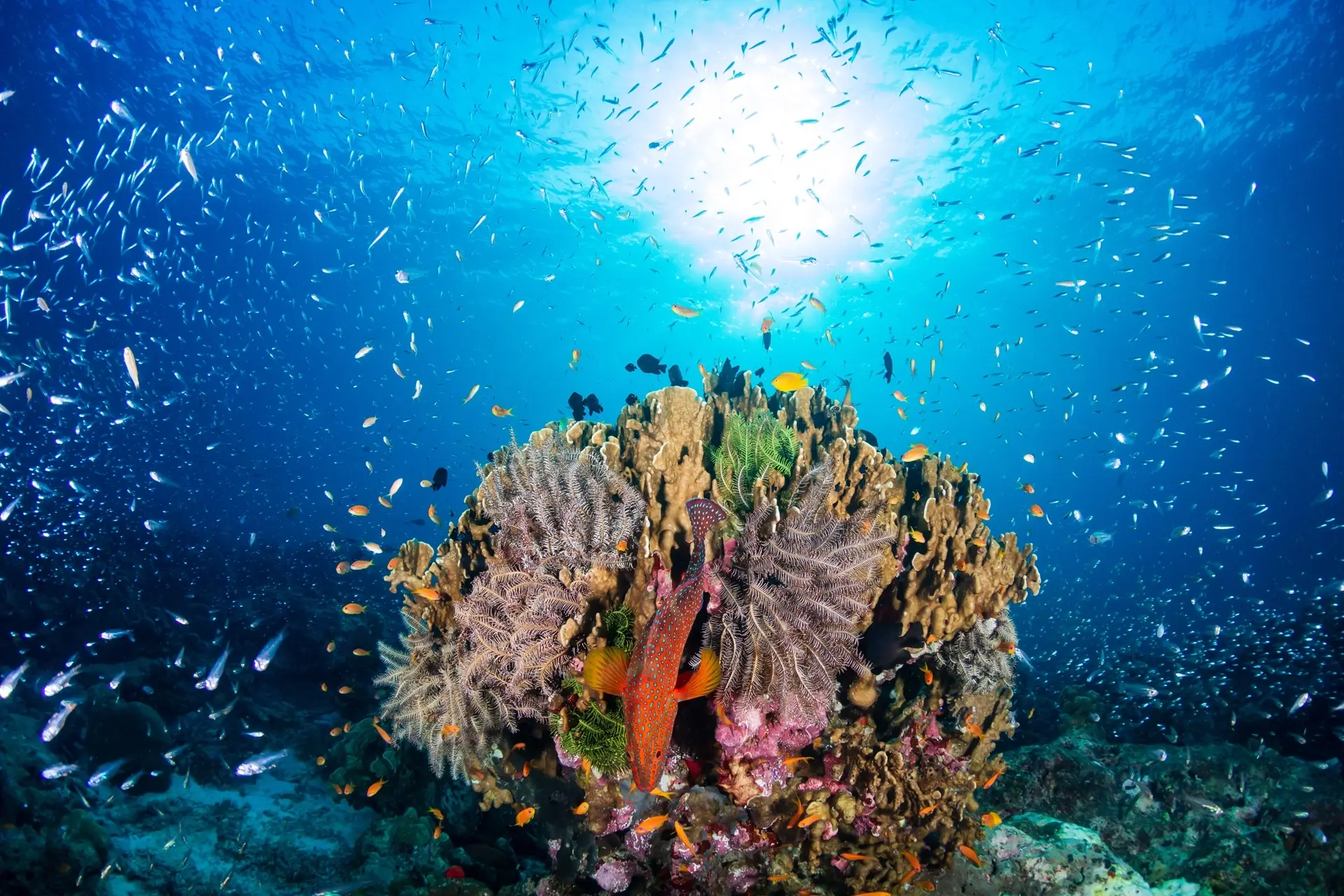
The Similan, Surin, and Richelieu Rock region is home to an enviable range of marine species. Divers can encounter whale sharks, manta rays, and large schools of trevallies and fusiliers. Sightings of reef sharks are common, while leopard sharks are occasionaly seen. Potato grouper, marble rays, and schooling sweetlips add visual drama.
Invertebrate life is equally impressive, from nudibranchs and frogfish to colorful anemone fish, harlequin shrimp, and pipefish. Shallow coral gardens host turtles, moray eels, and a kaleidoscope of tropical fish, while dramatic pinnacles and walls attract pelagic predators. Each dive offers a mix of vibrant reefs, macro encounters, and thrilling pelagic activity, making this one of Thailand’s most exciting dive regions.
Dive conditions
The Similan and Surin Islands are a seasonal destination, typically accessible from November to April. Visibility is at its clearest during this period, often exceeding 25 metres, and waters are calmest for liveaboard itineraries. Whale sharks and manta rays are most commonly seen from February to April, while reef dwelling species can be found throughout the season. Northwards, Koh Bon and Koh Tachai maintain consistent sightings of manta rays, and Richelieu Rock’s pinnacle is at its most productive in late winter to early spring.
Outside the season, the islands are closed to protect the national park ecosystem, ensuring the reefs remain healthy and vibrant for future divers.
Getting there
Phuket is the typical gateway to Thailand’s Andaman coast, with a multitude of flight options available. Most liveaboards depart either from Phuket, or from Tap Lamu port, just south of Khao Lak.
Twin centre diving
LIveaboard itineraries to the Similan Islands are typically shorter in duration than in other destinations. This brings with it the opportunity to combine a visit to these islands with time exploring more of this wonderful country. Divers may be interested to enjoy resort-based diving on the Andaman coast, while terrestrial activities include a trip to one of Thailand’s many national parks, or time in the country’s vibrant capital, Bangkok.
Planning your Holiday
Visas
Entry requirements vary from country to country, and it’s important to check the latest visa information well before you travel. Some destinations may allow visa-free entry for a limited period, while others require an eVisa or a visa obtained in advance. To ensure you have the correct documentation for your trip, we recommend checking the official advice from the UK Foreign, Commonwealth & Development Office (FCDO) or contacting the relevant country’s embassy or consulate. Other nationalities should check with their own consulate/embassy.
Passports
Before you travel, make sure your passport is valid for the full duration of your trip and meets the entry requirements of your destination. Many countries require at least six months’ validity beyond your planned return date, while others may have different rules. For the most reliable and up-to-date information, visit the UK Government’s passport guidance or the official travel advice pages for your destination. Other nationalities should check with their own consulate/embassy.
If you’re planning to travel to or via an EU country (with certain exceptions) your UK passport must meet two key requirements, it must be less than 10 years old on the day you enter the country and it must be valid for at least three months after your planned departure date.
Vaccinations & Health Advice
Health and vaccination requirements differ depending on where you're travelling. Some destinations may require proof of specific vaccinations or recommend certain precautions to protect your wellbeing.
We’re not qualified to provide you with specific advice on vaccinations and strongly recommend that you contact your healthcare professional before you travel to discuss the inoculations you may need to consider.
For trusted guidance on health and vaccination advice, refer to the NHS Travel Vaccination Advice, Masta Travel Health or Travel Health Pro websites.
Enquire about Similan Islands
Speak to an expert. Call 01353 659999 Send Enquiry