





Pemba Island
The Pemba channel rises from great depths as it approaches the narrow straits that separate the island of Pemba from mainland Africa.
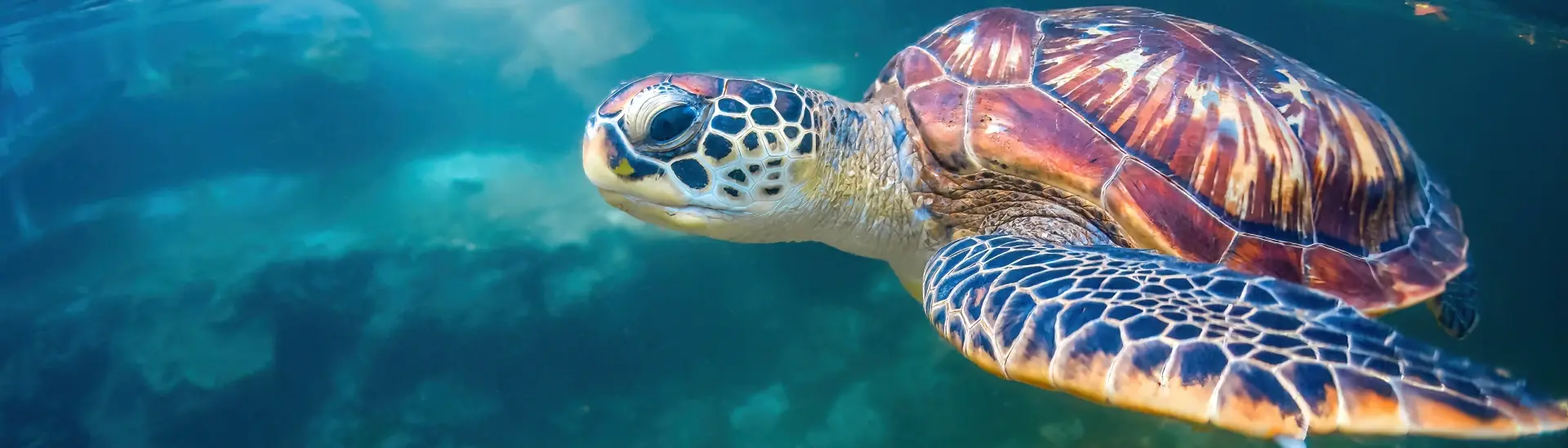
This narrow body of water concentrates the nutrients, which have in turn fed the growth of the reefs that border the channel.
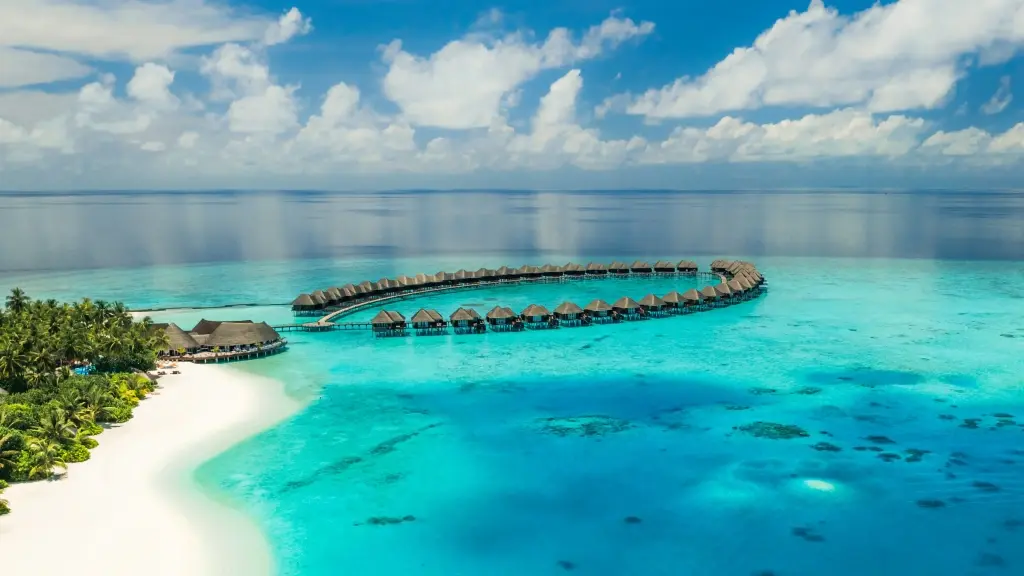
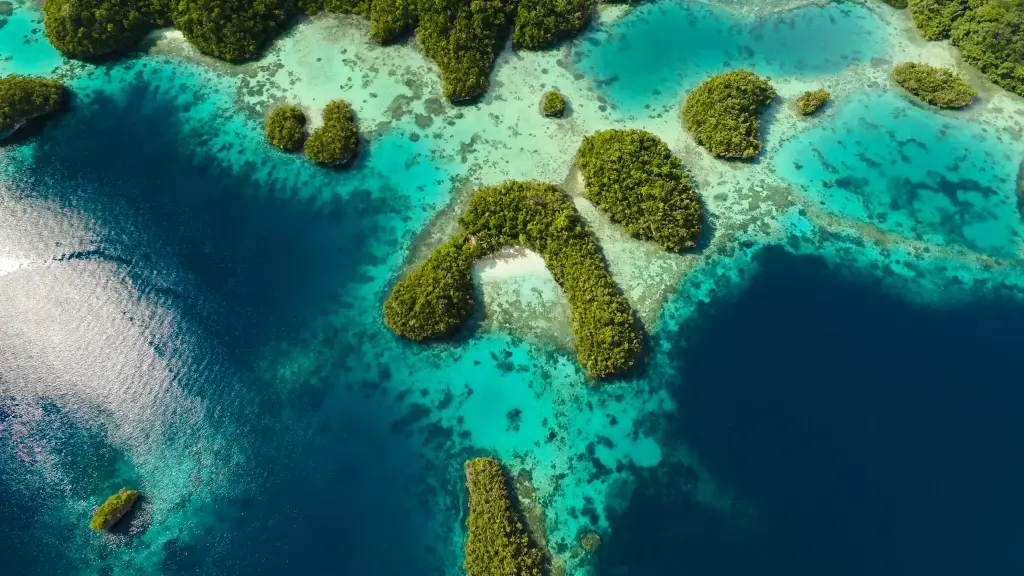
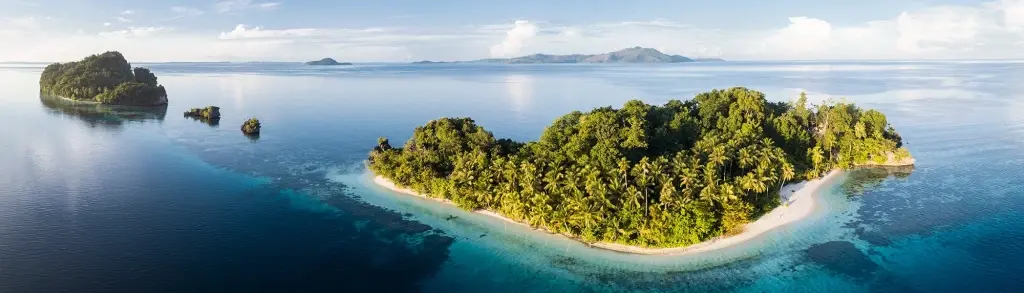
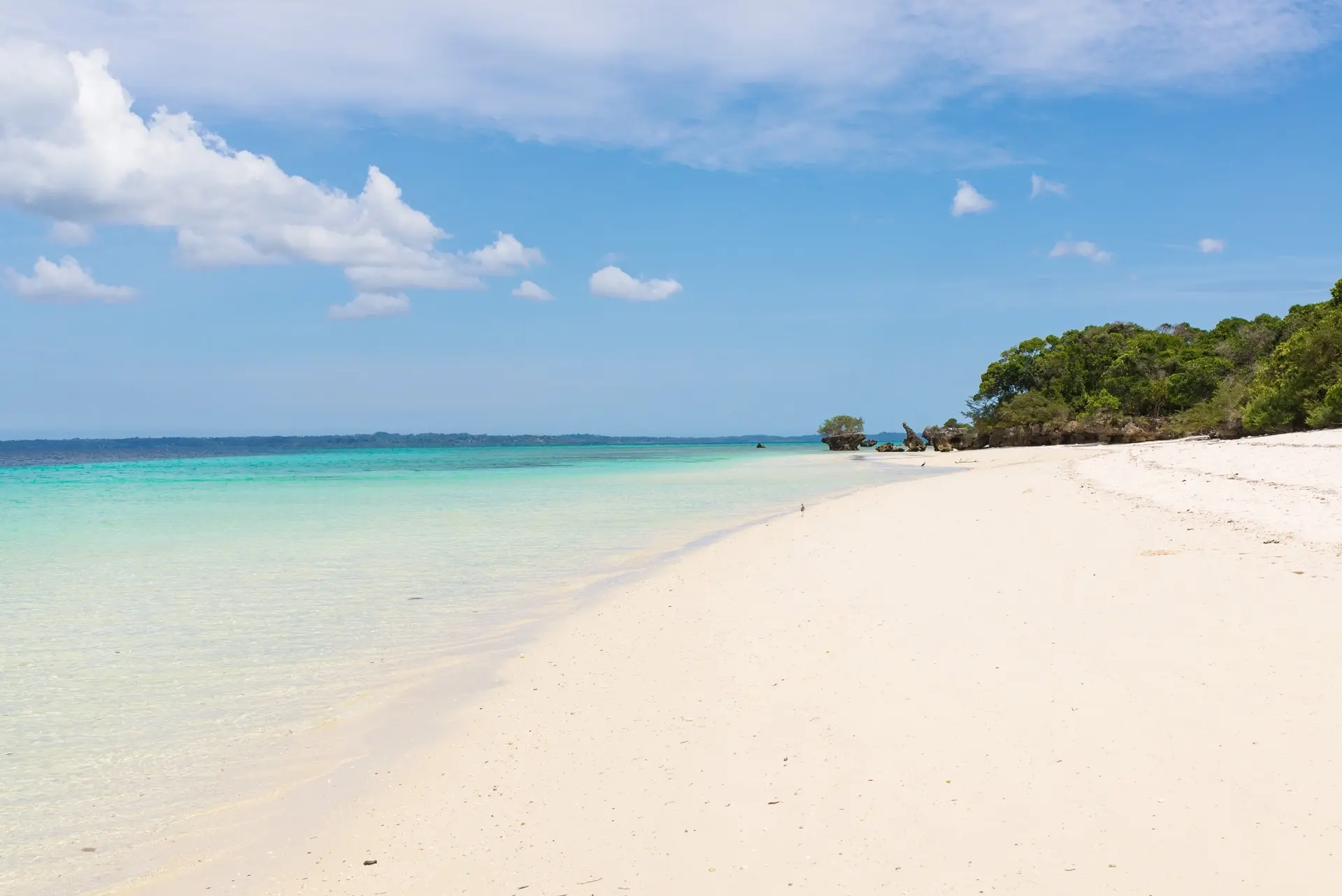
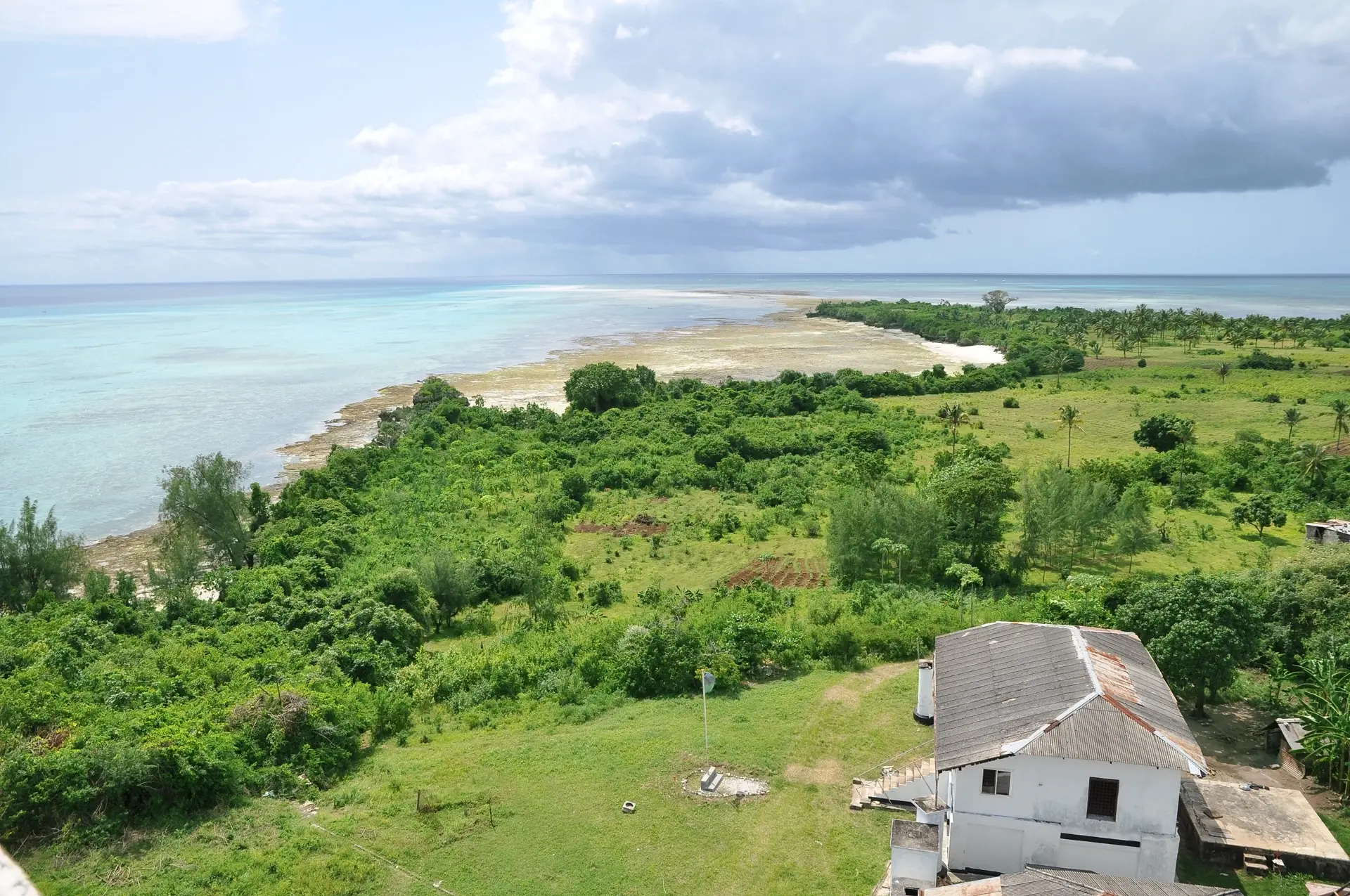
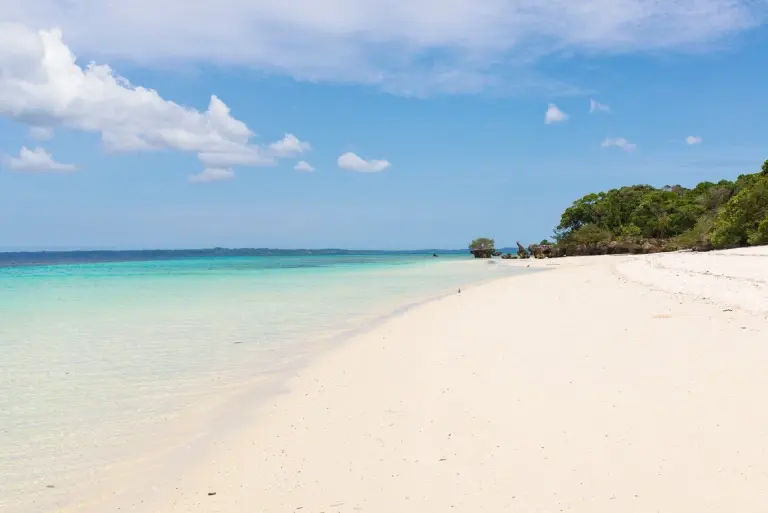
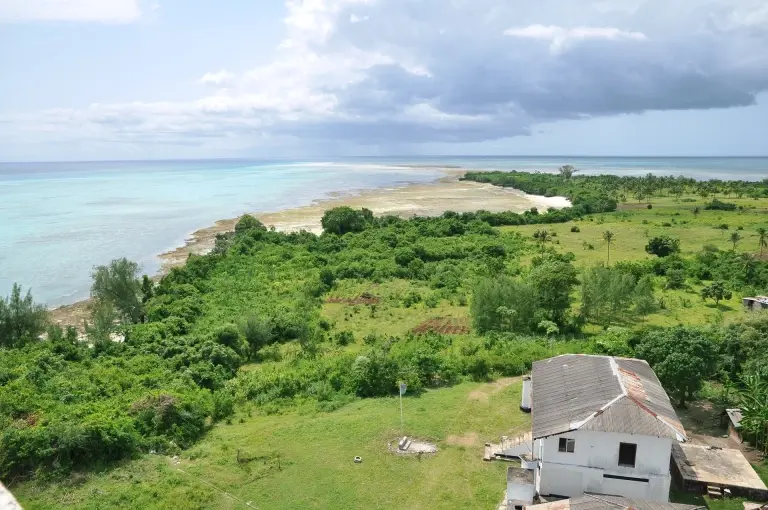
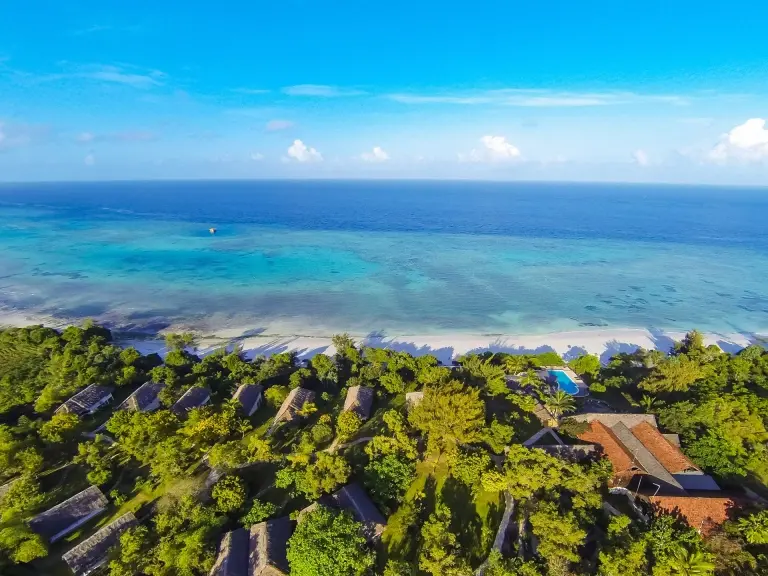
Visually the western shore of Pemba is stunning, fringed by a number of exquisite small islands, inlets and bays which lead on to an incredible coral cliff that drops to depths of over 300 metres. The marine cliffs of Pemba ‘top out’ with a shallow coral shelf that is often only a few metres from the shore. Clear blue water gives way to turquoise sea in the shallows that lie between the shoreline and the edge of the ‘drop off’.
Pemba Island
View Resorts Send Enquiry Speak to an expert. Call 01353 659999
Highlights
- Enjoy a beautiful, relatively unexplored location
- Dive or snorkel some of Africa’s finest reefs
- Exciting far reefs suitable for more experienced divers
Pemba Island Resorts & Hotels

The Manta Resort
Take advantage of fantastic water-based activities on East Africa's finest island sanctuary. Manta Resort has an open plan…
8 days from £3,825
Gallery
-

-

-
-

-
View all 9 images




Pemba Island Information
Manta rays and whale sharks are more likely to be encountered from October to April, when they come into the channel to feed.
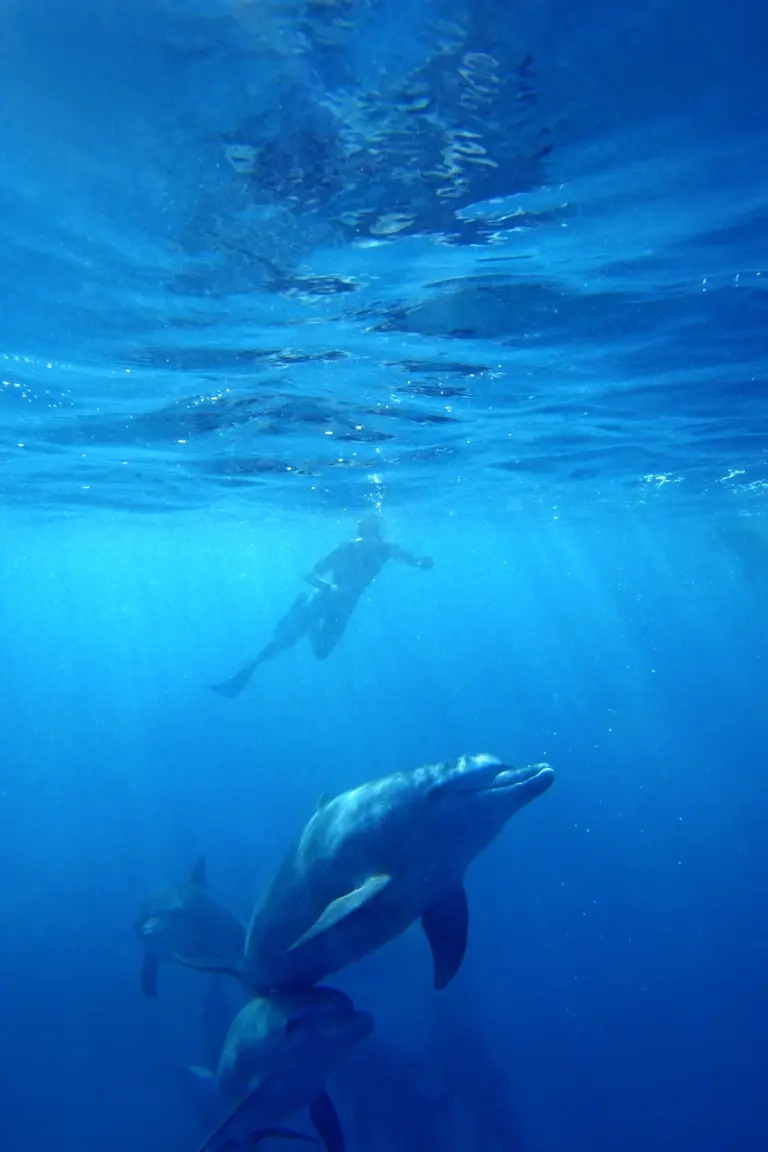
Humpback whales may be heard as they migrate north in August and early September, and you may be lucky enough to see one breaching; dolphins are frequently sighted. A resident school of around four hundred spinner dolphins, which inhabit the west coast of Pemba are often encountered though divers would more typically see bottlenose dolphin underwater, as they are slower, more docile and more likely to interact.
The shallower waters of the inshore dive sites are home to smaller tropical fish including the rare and endemic chromis damselfish.
Visibility can vary from a fabulous 60+ metres, to lower visibility when the water is more full of nutrients, attracting the larger plankton feeders. Generally, more predictable visibility can be expected July to November.
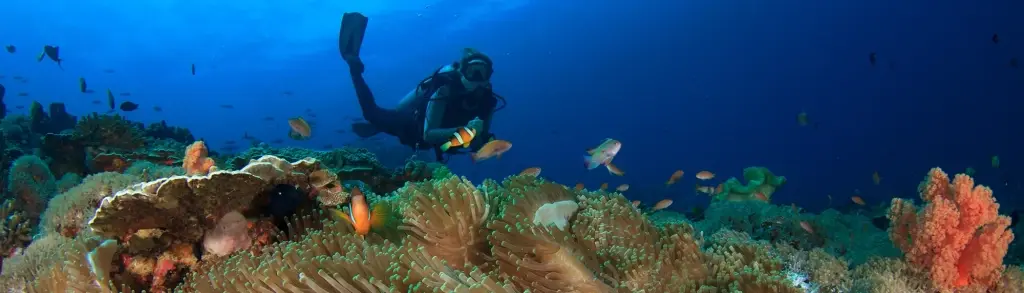
The topography of Pemba’s reefs also makes snorkelling an excellent option. The top edge of the ‘drop off’ is typically covered in dense coral growth, which in turn gives way to beautiful gorgonian sea fans and sponges, which cling precariously to the wall. These colourful coral gardens provide a backdrop to a range of species. Shoals of barracuda, kingfish, wahoo, tuna and jacks can occasionally be seen hunting off the reefs.
Dive Sites
There are numerous dive sites accessible from the north and south of the island, with a large area now protected since the creation of PECCA in 2006. Noticeable improvements in fish stocks and coral health have been noted since then.
At Manta Point, over 3 seamounts, you have a good chance of encountering mantas; hopefully more than one at a time! Coral pinnacles at the site attract schooling fish, making it a memorable dive for other reasons. At Njao Gap: south, the steep wall offers huge overhangs and large gorgonian sea fans. Marine life seen at this site includes eels, giant grouper, turtles, napoleon wrasse and numerous smaller fish. Fundu reef is characterised by a large sheer wall with many overhangs and caverns. Large rose coral and both red and yellow sea fans are a feature of the site. Marine life encountered on the reef includes large triggerfish, kingfish and wrasse.
Find out more about Pemba Island dive sites
Diving Conditions
From July to March, conditions are generally excellent for divers, with little rainfall and water temperature in the high 20°C. Some of the dives carried out in Pemba are drift drives on the east side, and as such are suited to more experienced divers, but there is a range of sites available for newer divers wanting to extend their experience on the north and west coast of the island.
Water temperatures range from 29°C from December to March and 24°C from July to November.
Visibility: Pemba Island tends to experience good visibility overall in comparison with other islands in the region. Unlike Mafia Island where the river Rufiji flows around 50km away after the rains, there are no river estuaries that flow close to this area. As a general rule, the months offering best underwater visibility are September to November, as the Monsoon winds have settled and it is following a couple of dry, hot months.
Rains: The ‘long rains’ can start in April and last through to June. There is typically a second, shorter wet season in November. However, the duration and timings of the rains are becoming more irregular. The resorts on Pemba close for the main seasonal rains during Spring; please refer to the resort's page for details of each year's closure.
Alternative Activities
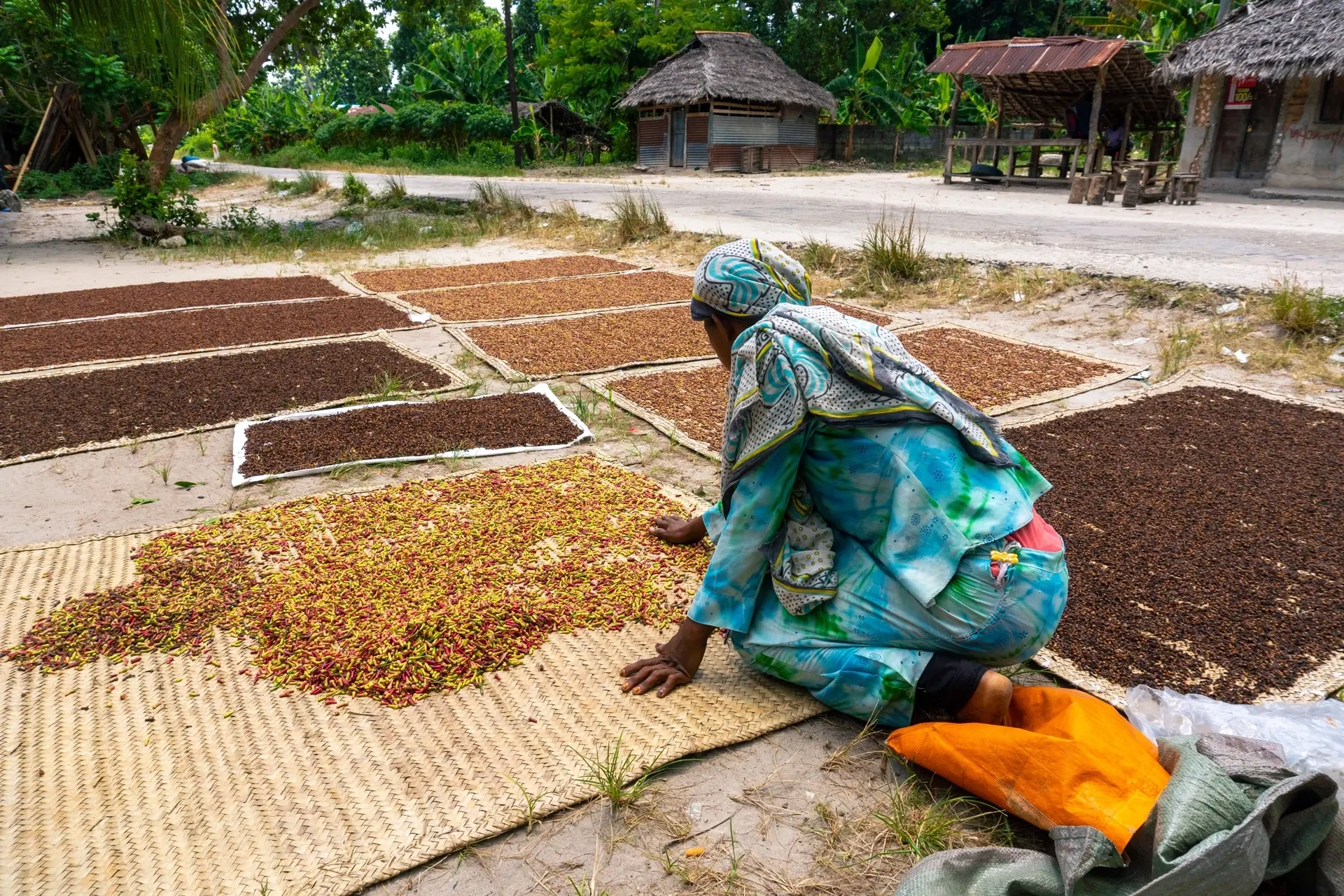
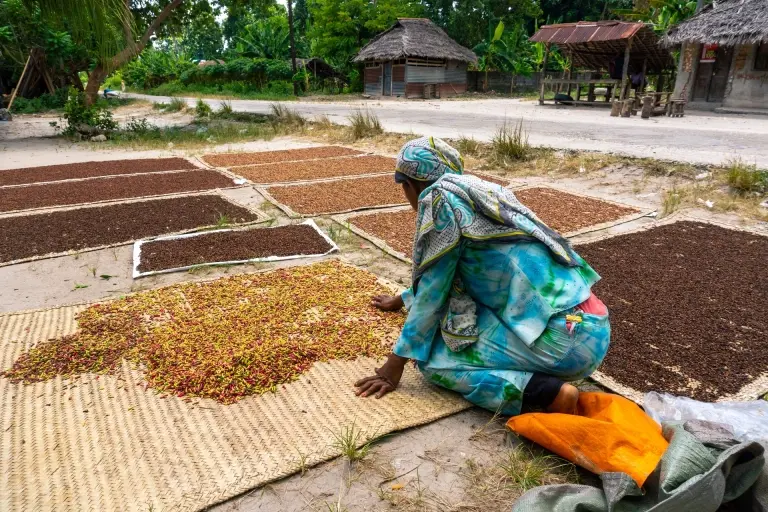
Explore Pemba Island by kayak with a guide or a friend, or by vehicle with a driver rented locally. Visit its clove plantations, the beaches of Vumawimbi and Kas Kaiyuyuu, Tumbe village and Ngezi forest or early morning and evening bird-watching excursion.
Find out what excursions are available from Manta Resort, Pemba here
Dive Centre
Dive 360, Manta Resort
The first PADI 5* centre on the island of Pemba, based at Manta Resort in the north of the island. Around 15 sites are accessible and many of the dive sites offer a different dive according to the time and current's direction on the day.
The centre can cater for all experience levels, but divers with more experience of currents and drift dives will benefit more from the sites available in this area. They generally offer two boat dives in the morning and one in the afternoon, plus night dives a couple of times each week, all run from their fibre glass boats or wooden dhow.
In order to offer the best value and most flexible dive packs to guests, divers pay for a dive pack excluding the boat trips. Guests can then choose how they would like to dive locally. This way, divers are not charged for boat dives to places like Njao or Fundu Reefs, which they may not use. Please discuss your requirements with the Regaldive team, who will prepare a quotation suited to your needs.
A range of courses and e-learning is also available - please let us know in advance if you would like to take any courses whilst staying on Pemba so we can inform the dive centre.
Find out more about Pemba Island dive sites
Dive Packs
Options available include 6, 10 and 16 dive packages. Please discuss your requirements with the Regaldive team, who will prepare a quotation suited to your needs.
Equipment rental is included in the price. A discount is applicable for those who take their own gear. The centre is equipped with 12l aluminium tanks, with DIN and international fittings. Unfortunately 15l tanks are not currently available
Extras in Resort
- Far Reefs
- Marine Conservation Fees (PECCA)
- Snorkelling trip including equipment (price varies depending on distance)
Resort info
Getting Around & Basic Travel Information
Anyone booking the full package through Regaldive will receive local supplier assistance from the moment they exit customs at the airport, and all our packages include internal flights, land and boat transfers where applicable, unless otherwise requested.
Taxis are readily available, but it is recommended that you seek assistance from reception at your local place of stay for any additional travel and excursion arrangements you may wish to make in situ.
If you would like to extend your trip, we may tailor the duration of your international flights. Please also enquire about our sister company's tailormade safari extensions.
Stone Town, Zanzibar
Some flight connections may give you a few hours to briefly explore Stone Town. Stone Town is just 6km from Zanzibar airport, so you can take a taxi into town for a bite to eat or drink. Or, you can book the Spice Farm tour locally, about 10km from town for around 50,000 Tzsh (c. £20). Alternatively, there is a small place to eat at Zanzibar Airport or you may opt to stay overnight or for a few days, to further explore the spice island of Zanzibar.
Climate
Winds blow from the North East from December to April, and from the South West from May to September. The beginning of each new season brings rains.
The ‘long rains’ can start in April and last through to June. There is typically a second, shorter wet season in November. However, the duration and timings of the rains are becoming more irregular.
The light rains in November are usually brief bursts between large stretches of sunshine. The hottest season is January and February but there is usually a refreshing sea breeze. Daytime temperatures usually vary between 26-32°C.
Water temperatures range from 29°C from December to March and 24°C from July to November.
Time
Tanzania is +3 hours ahead of GMT.
Currency
Tanzanian Shilling (TZS)
The recommended currency to carry is US Dollars. Access to banks is restrictive, but you may change some traveller's cheques.
Tipping
Although entirely voluntary, tipping is a recognised part of life in this region of the world. Some local staff will look to travellers for personal recognition of the services offered.
Activities
Explore Pemba island by kayak with a guide or a friend, or by vehicle with a driver rented locally. Visit its clove plantations, the beaches of Vumawimbi and Kas Kaiyuyuu, Tumbe village and Ngezi forest or early morning and evening bird-watching excursions.
Find out what excursions are available from Manta Resort, Pemba
Language
English is the official language but Swahili is the national language, with 42 ethnic languages spoken.
Planning your Holiday
Flight Information
Scheduled flights are available with Oman Air, Emirates, Kenyan Airways, Ethiopian Airways and KLM / Air France.
- Oman Air via Muscat (Oman)
- Emirates via Dubai (UAE) and Nairobi (Kenya)
- Kenyan Airways via Nairobi (Kenya)
- Ethiopian Airlines via Addis Ababa (Ethiopia)
- KLM / Air France: Some flights are code shares with Kenyan. KLM offer the best UK regional departure choices, but flights are via Amsterdam, so the trade-off is 2 stops (UK - Amsterdam - Nairobi - Zanzibar) and a supplement may apply.
On arrival in Zanzibar, an internal flight to Chake Chake airport in Pemba is required, which we organise as part of your package.
Other flight routes may be available, i.e. via Dar es Salaam, or you may arrive from / depart to other Tanzanian Airports such as Arusha.
Visitors are required to pay a departure tax.
Visas
Entry requirements vary from country to country, and it’s important to check the latest visa information well before you travel. Some destinations may allow visa-free entry for a limited period, while others require an eVisa or a visa obtained in advance. To ensure you have the correct documentation for your trip, we recommend checking the official advice from the UK Foreign, Commonwealth & Development Office (FCDO) or contacting the relevant country’s embassy or consulate. Other nationalities should check with their own consulate/embassy.
Passports
Before you travel, make sure your passport is valid for the full duration of your trip and meets the entry requirements of your destination. Many countries require at least six months’ validity beyond your planned return date, while others may have different rules. For the most reliable and up-to-date information, visit the UK Government’s passport guidance or the official travel advice pages for your destination. Other nationalities should check with their own consulate/embassy.
If you’re planning to travel to or via an EU country (with certain exceptions) your UK passport must meet two key requirements, it must be less than 10 years old on the day you enter the country and it must be valid for at least three months after your planned departure date.
Vaccinations & Health Advice
Health and vaccination requirements differ depending on where you're travelling. Some destinations may require proof of specific vaccinations or recommend certain precautions to protect your wellbeing.
We’re not qualified to provide you with specific advice on vaccinations and strongly recommend that you contact your healthcare professional before you travel to discuss the inoculations you may need to consider.
For trusted guidance on health and vaccination advice, refer to the NHS Travel Vaccination Advice, Masta Travel Health or Travel Health Pro websites.
Location Map
Enquire about Pemba Island
Speak to an expert. Call 01353 659999 Send Enquiry