





What to Expect When You’re Learning How to Dive: A Beginner’s Guide
We share a complete beginner's guide to learning how to dive - so you know exactly what to expect, how to prepare & if it's right for you.
On: 13 August 2026
By: Shem Tarko
In:
Regal Dive news
This guide walks you through everything you need to know before your first course: what it costs, what the training involves, what gear you'll need, and what to expect when you complete your open water course.
There's a moment - usually around the second or third pool session - when everything clicks. The bubbles from your regulator start to stream steadily upward, your breathing slows, and the world above the waterline simply disappears. For most new divers, that moment is the one they talk about for years.
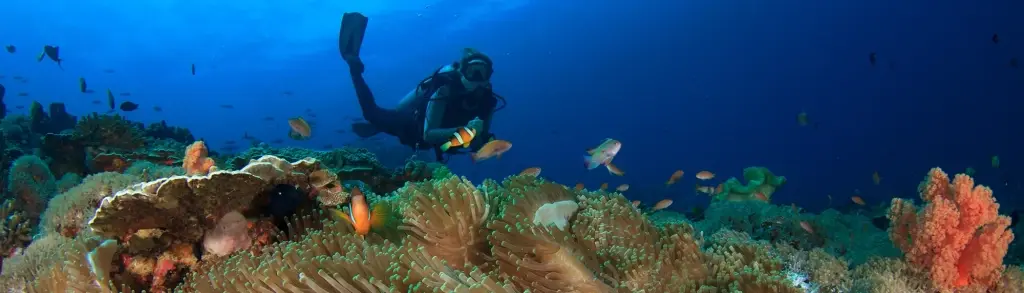
Scuba diving is genuinely difficult to put into words until you've experienced it yourself. Gliding over coral reefs, drifting alongside reef sharks, or hovering silently above the reef while marine life moves around you - it's both meditative and thrilling. Getting started is far more straightforward than most people expect.
Here’s what’s covered in this guide to kickstart your scuba diving adventure:
- How to Choose the Right Dive Centre
- What Are the Prerequisites for Learning to Scuba Dive?
- What Does the Open Water Diver Course Actually Involve?
- What Scuba Diving Equipment Do You Need as a Beginner?
- What Are the Biggest Challenges for New Divers & How Do You Overcome Them?
- How Much Does a PADI Scuba Diving Certification Course Cost?
- What Comes After Your Open Water Diver Certification?
- Safety, Community, & Where the Journey Takes You
Quick answer: Learning to scuba dive begins with enrolling in a recognised certification course, most commonly the PADI, BSAC or SSI Open Water Diver course. The process takes four to seven days and covers academic learning, pool-based skills practice, and four open water dives. Upon completion, your scuba diving certification is valid for life and recognised worldwide.
How Do You Choose the Right Dive Centre?
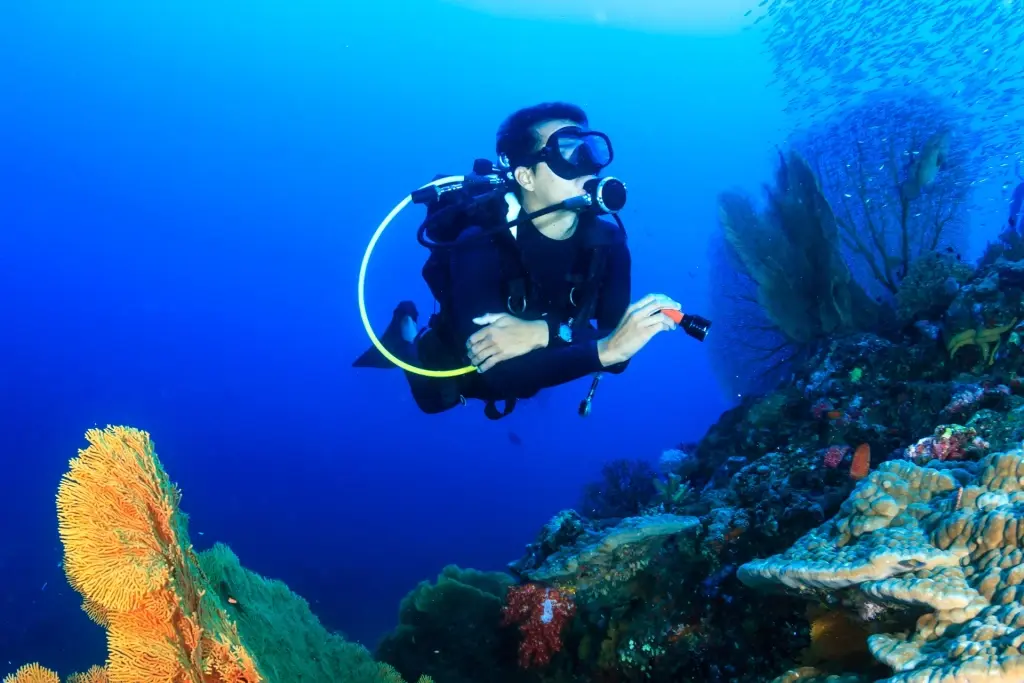
Your dive centre sets the tone for your entire learning experience, so it's worth taking a little time to choose well. Reputation matters enormously here. At RegalDive, we only work with the best dive centres around the world. Dive centres that are affiliated with internationally recognised organisations such as PADI, SSI, SDI/TDI and BSAC, and have a track record for superb service and safety standards.
Beyond accreditation, consider the practical side of things:
- Trust & experience: Book with an established specialist tour operator such as RegalDive, or research for a well established and trusted dive centre with experienced, professional instructors.
- Class sizes: Smaller groups mean more personalised attention during pool sessions and open water dives.
- Flexible learning options: The best centres offer a mix of online learning and practical sessions, so you can study dive theory at your own pace before getting in the water.
- Facilities: A clean, well-maintained swimming pool for confined water training is a good sign of a centre that takes student safety seriously.
- Reviews: Read what other student divers have said. According to PADI, more than 95% of student divers say they would highly recommend their PADI Instructor - so word of mouth carries real weight.
Don't be shy about asking questions before you sign up, we're always happy to guide you every step of the way - just contact us.
What Are the Prerequisites for Learning to Scuba Dive?
The fitness requirements for scuba diving are more accessible than many people assume. You don't need to be an Olympic swimmer. What you do need is a basic comfort in the water and the ability to meet two simple benchmarks:
- Swim 200 metres (or yards) without stopping - no time limit, any stroke you like.
- Float or tread water for 10 minutes - without flotation aids.
The minimum age for the Open Water Diver course is 10 years old. Most courses also ask you to complete a medical questionnaire before you begin. Certain conditions, including some heart and respiratory issues, may require a doctor's sign-off before you can participate, and in some countries, a physician's signature is required as standard. Download the medical questionnaire from the training organisation's website before your first session to avoid any surprises on the day.
Healthy adults of all ages and fitness levels can learn to scuba dive. If you have concerns, speak to your tour operator, dive centre or instructor early. There are also adaptive techniques available for divers with physical challenges, so the underwater world is far more accessible than it might appear.
What Does the Open Water Diver Course Actually Involve?
The Open Water Diver course is the world's most widely recognised entry-level scuba certification, with PADI issuing more than one million certifications every year. The course is built around three components, each designed to build on the last.
What Happens During the Knowledge Development Phase?
This is where your scuba diving journey begins; long before you set foot near a pool. Knowledge development covers the theory side of diving: how equipment works, dive planning, understanding pressure and its effects on the body, and essential safety protocols.
A lot of diving organisations publish online theory modules, which let you work through the material online at your own pace using a phone or computer. Some centres still offer classroom-based learning for those who prefer it. Either way, this academic portion gives you the foundations you need before your first in-water session.
What Happens During Confined Water Training?
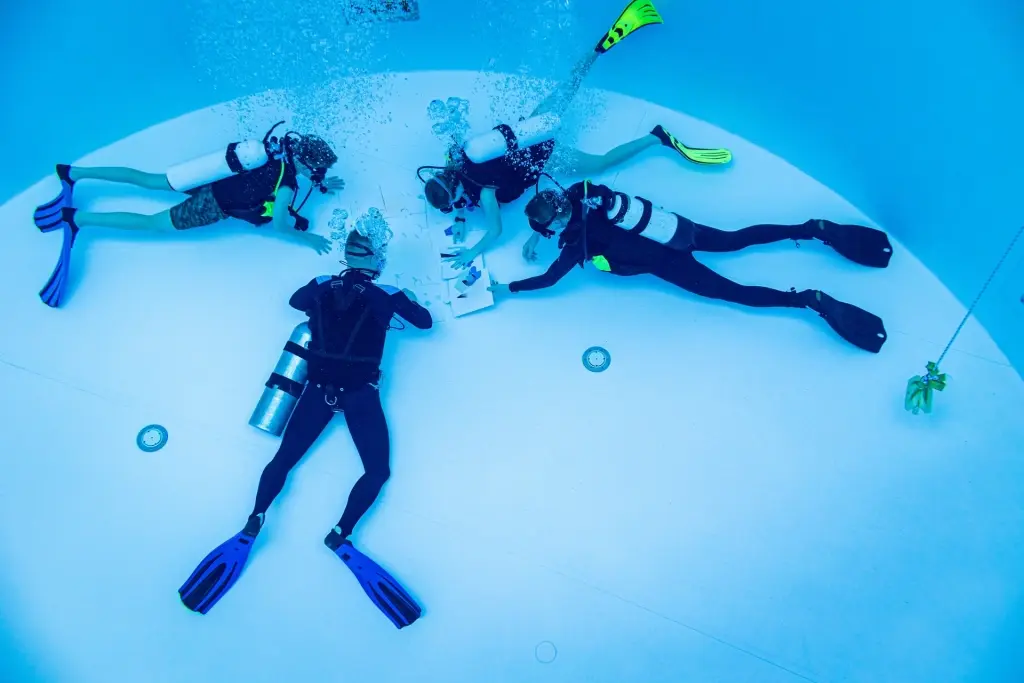
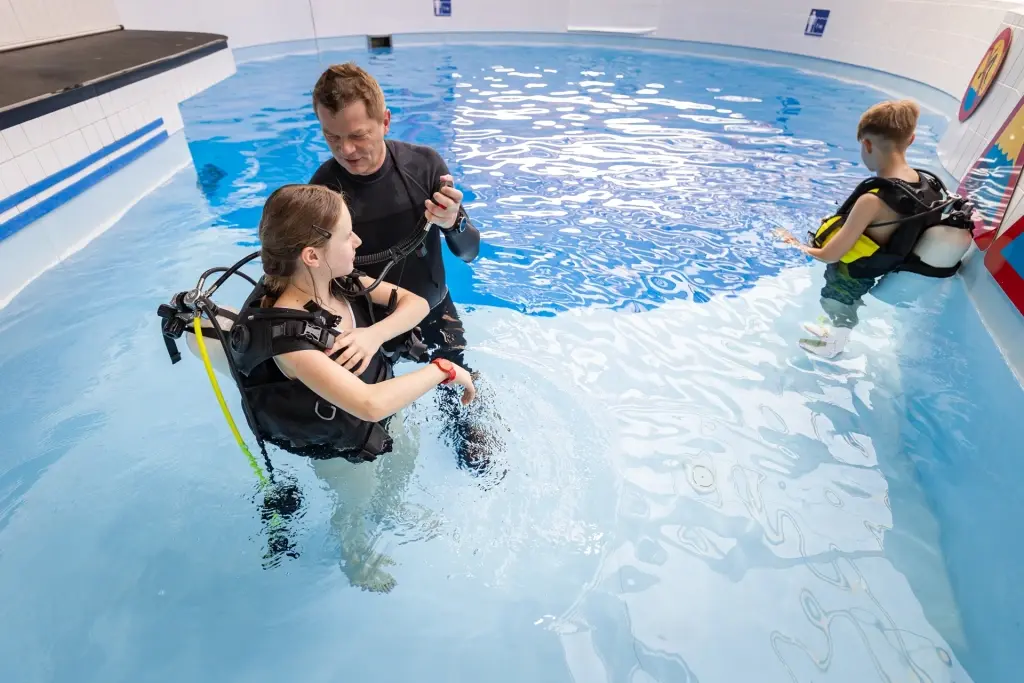
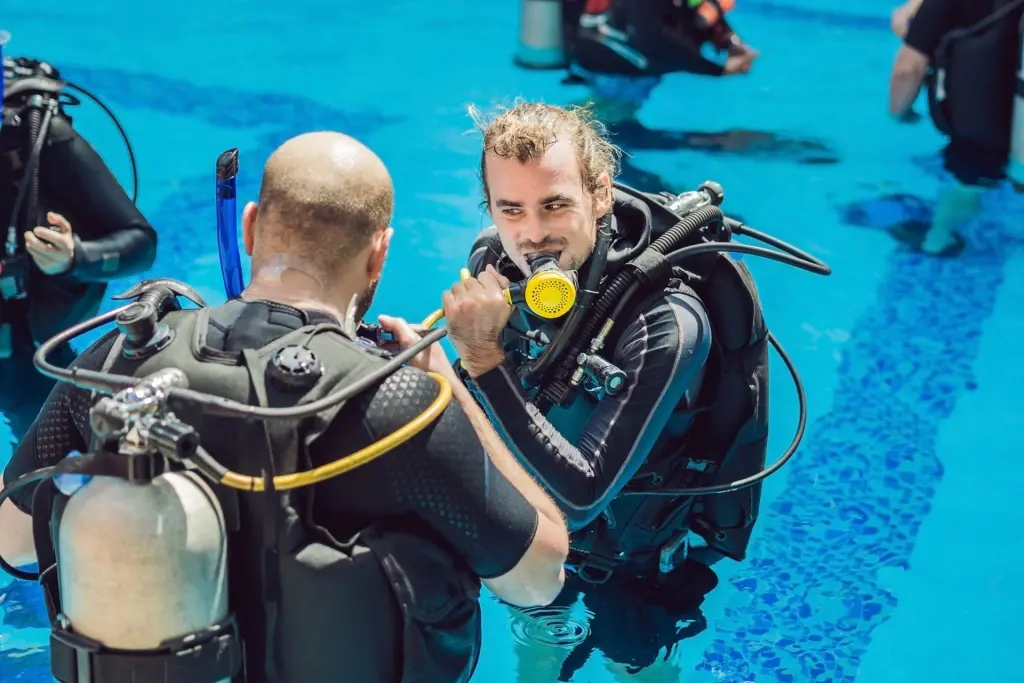
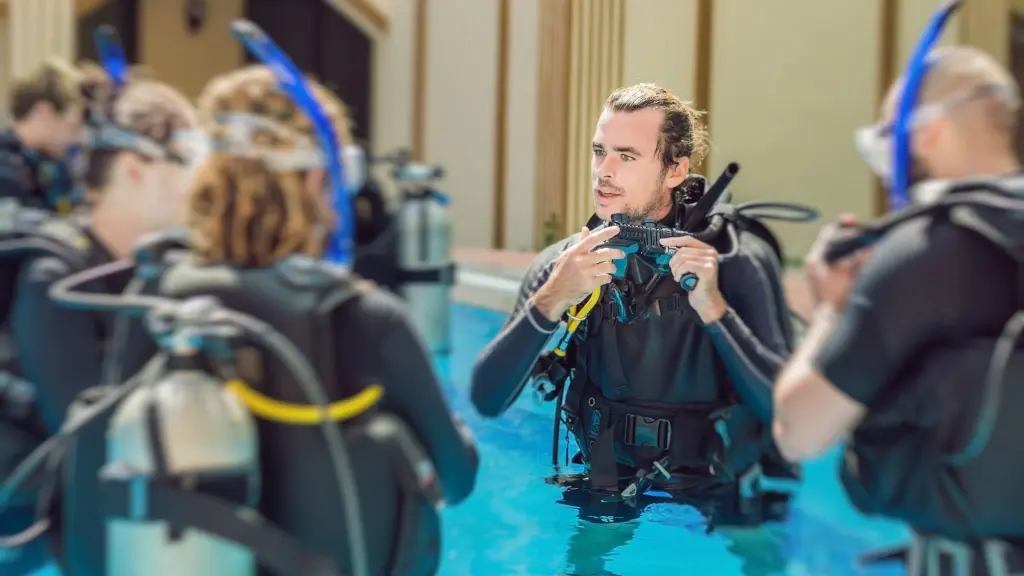
Confined water training takes place in a swimming pool or at an open-water site with pool-like conditions. This is where you meet the regulator, take your first breaths underwater, and start practising the basic scuba skills that will carry you through your diving life.
Your instructor will demonstrate each skill and then guide you through it until you can do it confidently. With all major organisations, open water courses are mastery-based, which means you progress at a pace that suits you rather than rushing through a checklist. Skills covered include:
- Breathing underwater and managing your air supply
- Assembling and checking your scuba unit (you'll do this at least five times until it becomes second nature)
- Clearing water from your mask - the skill that most new divers find most daunting, and the one that brings the most satisfaction when mastered
- Achieving neutral buoyancy - the art of hovering effortlessly in the water column without sinking or floating
- Removing and replacing your mask underwater
Pool sessions are conducted in small groups, giving your instructor room to offer personalised feedback. By the end of confined water training, most student divers feel genuinely ready for open water.
What Happens on Your Open Water Dives?
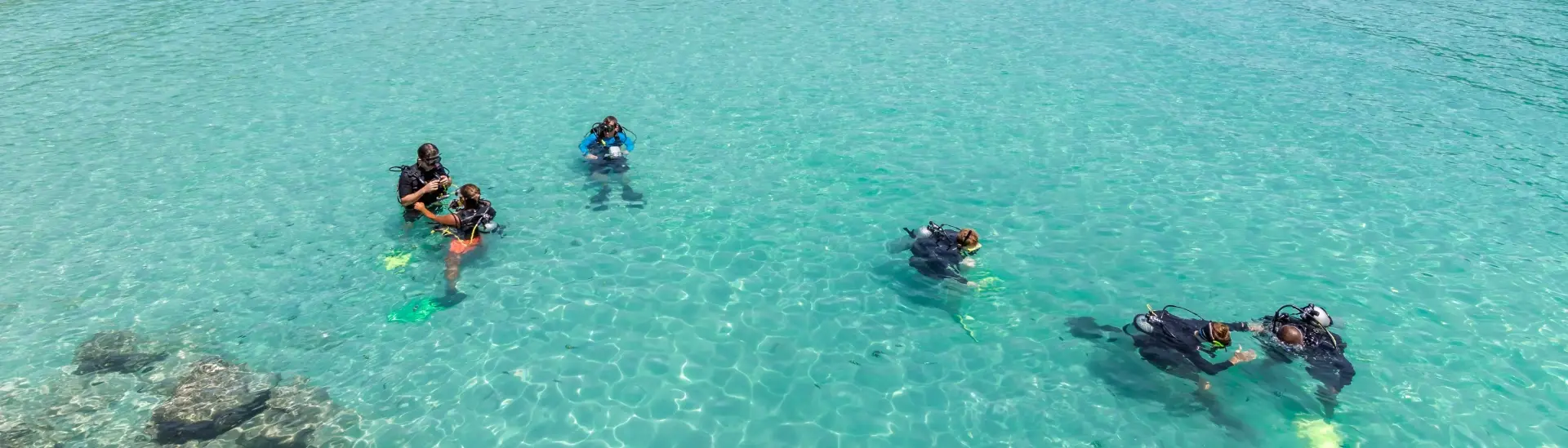
Your four open water dives - typically completed over two days - are where everything comes together. Open water can mean the ocean, a lake, a quarry, or any natural body of water suitable for diving. Your instructor will be with you throughout.
The first two dives are conducted at a maximum depth of 12 metres. Your final two dives reach the PADI Open Water certification limit of 18 metres. During each dive, you'll run through a pre-dive safety check, practise buoyancy, perform skills from your pool training, and, crucially, explore the dive site.
On your final dive, you and your group will create a dive plan and execute it under supervision. It's the closest thing to diving independently, and for most new divers, it's the moment the whole course snaps into focus.
What Scuba Diving Equipment Do You Need as a Beginner?
The encouraging news for anyone worried about the cost of gear: most dive centres provide everything you need for your course as part of the course fee or for a small rental charge. Standard rental equipment typically includes:
- Wetsuit or dry suit (depending on water temperature)
- Scuba cylinder (air tank)
- BCD (Buoyancy Control Device)
- Regulator
- SPG (Submersible Pressure Gauge)
Most centres will ask you to bring your own mask, snorkel, and fins. If you already own a snorkel set, bring it along - though be aware that snorkel fins are often too flexible for scuba diving and may need replacing. Your centre will advise.
As you gain experience and start diving more regularly, investing in your own equipment makes real sense. Owning your own mask alone improves comfort considerably, since a well-fitted mask is one of the most personal pieces of kit in diving. Over time, having your own gear saves money too - once you've made the initial investment, an air fill is all you pay for each subsequent dive.
What Are the Biggest Challenges for New Divers & How Do You Overcome Them?
It's completely normal to feel nervous before your first pool session. Most new divers do. The three challenges that come up most often are buoyancy control, mask clearing, and managing anxiety in the water.
- Buoyancy is often described as the biggest learning curve. Adjusting your weight system is the first step. Sinking too low risks damaging fragile reef ecosystems. The solution is slow, steady breathing and patience; buoyancy improves with practice, and most divers find it clicks naturally over the first few open water dives.
- Mask clearing involves flooding your mask with water and then purging it using your nose. It's the skill that produces the most anxiety in pool sessions, and the most pride when completed successfully. Your instructor will build you up to it gradually, starting with a small amount of water before moving to a fully flooded mask.
- Anxiety, for many beginners, is simply about the unfamiliarity of breathing underwater. That first breath through a regulator is strange. But it's also, for almost everyone who tries it, remarkably calming. Take your time, breathe slowly, and trust the equipment. Nobody should rush you through your paces.
How Much Does a PADI Scuba Diving Certification Course Cost?
Costs vary depending on where you learn, the dive centre you choose, and what's included in the package. In the UK, a full Open Water Diver course, covering equipment hire, eLearning access, and your open water dives, will generally set you back somewhere between £450 and £650. Learn to dive somewhere like Egypt, however, and you'll often find the same course for considerably less, typically in the region of £325 to £450. Find out more about our learn to dive holidays in:
PADI's own description puts it well: the course costs, per day, is roughly the same as a full day of surfing lessons or a memorable night out. At RegalDive, we include your Open Water course as part of your holiday package, and explain exactly what is and isn't included. However as a general rule if booking independently, if you see a price that seems dramatically lower than everything else, ask what it includes. Some centres, for example, list course tuition only and charge separately for boat fees, gear rental, and online learning access.
If you'd like to learn whilst on holiday, read our blog on our recommendations on the Top 10 Places to Learn to Dive.
Once certified, your Open Water Diver card is valid for life. You won't need to pay for the course again, though if you haven't dived in a while, a refresher course is a worthwhile investment before heading back into the water.
Scuba diving is sometimes labelled an expensive hobby - and like skiing or sailing, the initial outlay can feel significant. But once you have your certification and your own basic equipment, the running costs of recreational diving are far more manageable than most expect.
What Comes After Your Open Water Diver Certification?
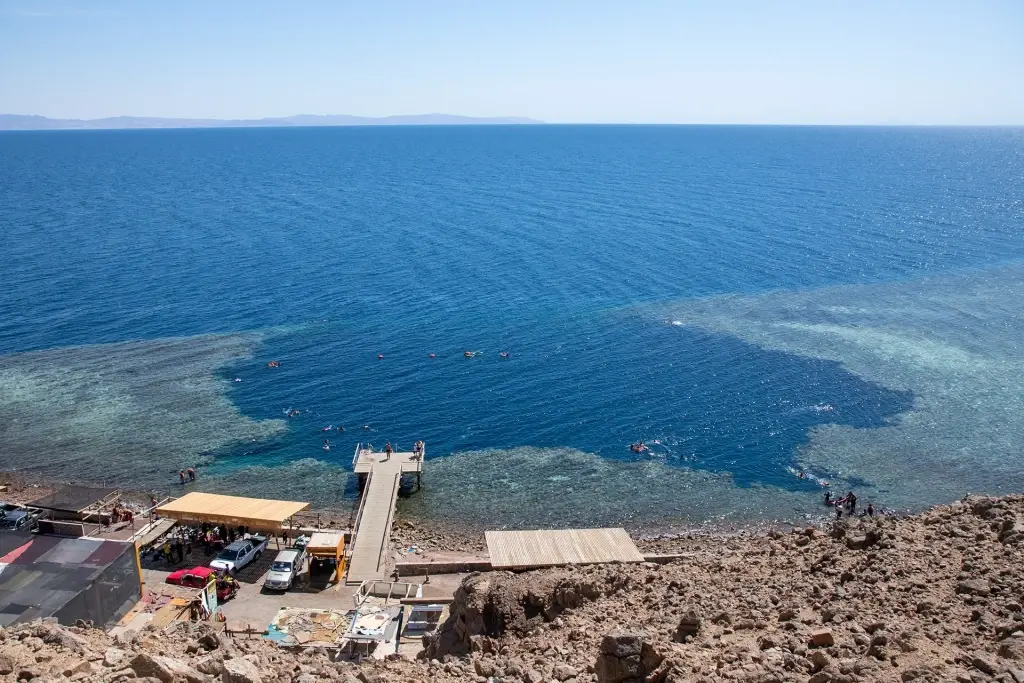
Earning your Open Water Diver certification is the beginning, not the destination. As a certified diver, you can dive to a maximum of 18 metres with a buddy at appropriate dive sites all over the world. Your certification is internationally recognised, which means it opens doors everywhere from the Red Sea to the Coral Triangle.
From there, you can simply enjoy your diving adventures, or continue your education. The Advanced Open Water Diver course introduces you to different types of diving-deep diving, navigation, peak performance buoyancy-across five adventure dives. It's recommended as it opens up some of the more exciting dive sites to your skill level, and opens up the exciting world of liveaboard diving.
Read our Frequently Asked Questions for Newly Qualified Divers blog for further guidance.
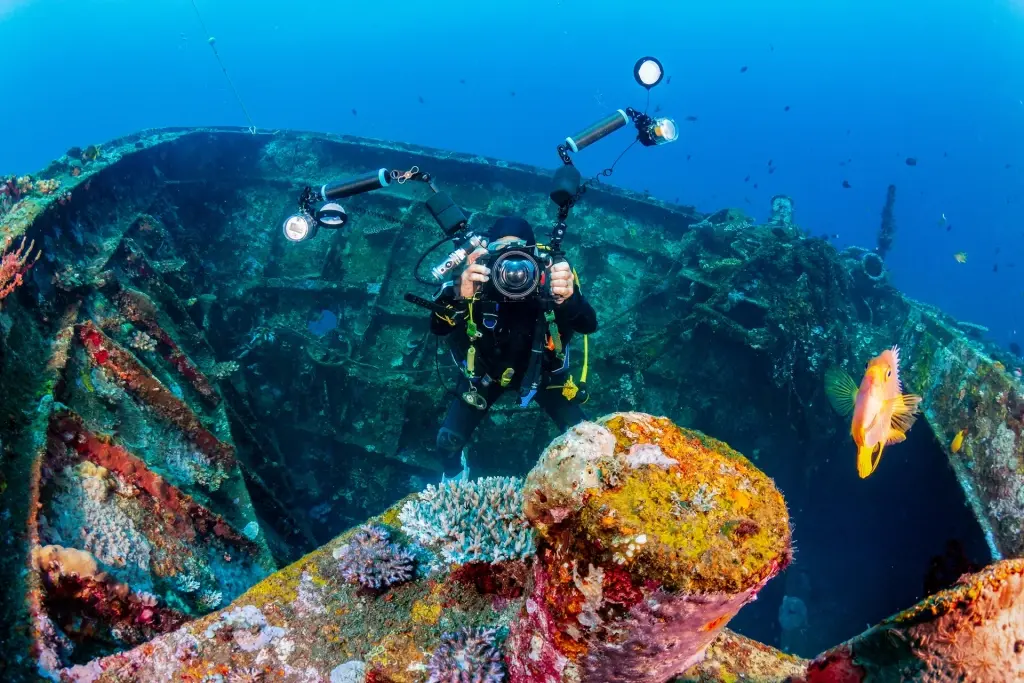
Beyond the Advanced Open Water Course, Rescue Diver training develops your ability to manage problems underwater, and Speciality Courses cover everything from underwater photography to wreck diving to sidemount diving.
For those who fall completely in love with the sport, a career as a Divemaster or Instructor is a genuine pathway. Many experienced divers begin with a single Open Water course and end up spending their working lives underwater.
Safety, Community, & Where the Journey Takes You
Safe diving is straightforward when you follow the principles learned during your course: always dive with a buddy, stay within your certified depth limits, monitor your air supply regularly, and never hold your breath. Proper training and well-maintained equipment do the heavy lifting; your job is to stay aware and dive within your experience level.
The dive community is one of the sport's genuine pleasures. Scuba divers are, as a rule, enormously welcoming to newcomers. Local dive clubs, online forums, and the social side of dive centres all offer ways to connect with fellow divers, find dive buddies, share experiences, and discover new destinations.
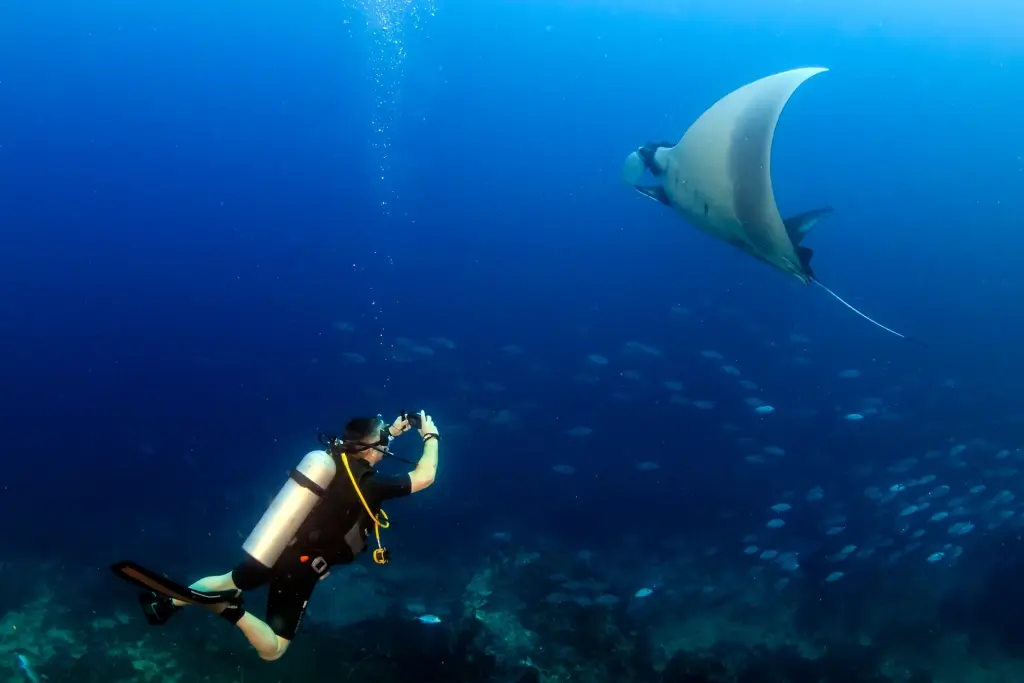
And the destinations themselves are extraordinary. A PADI Open Water Diver card is a passport to some of the most remarkable places on earth-the coral gardens of the Maldives, the wrecks and reefs of the Red Sea, the extraordinary biodiversity of Indonesia's Coral Triangle, the beauty of the Caribbean. Each dive site has its own character, its own marine life, its own rewards.
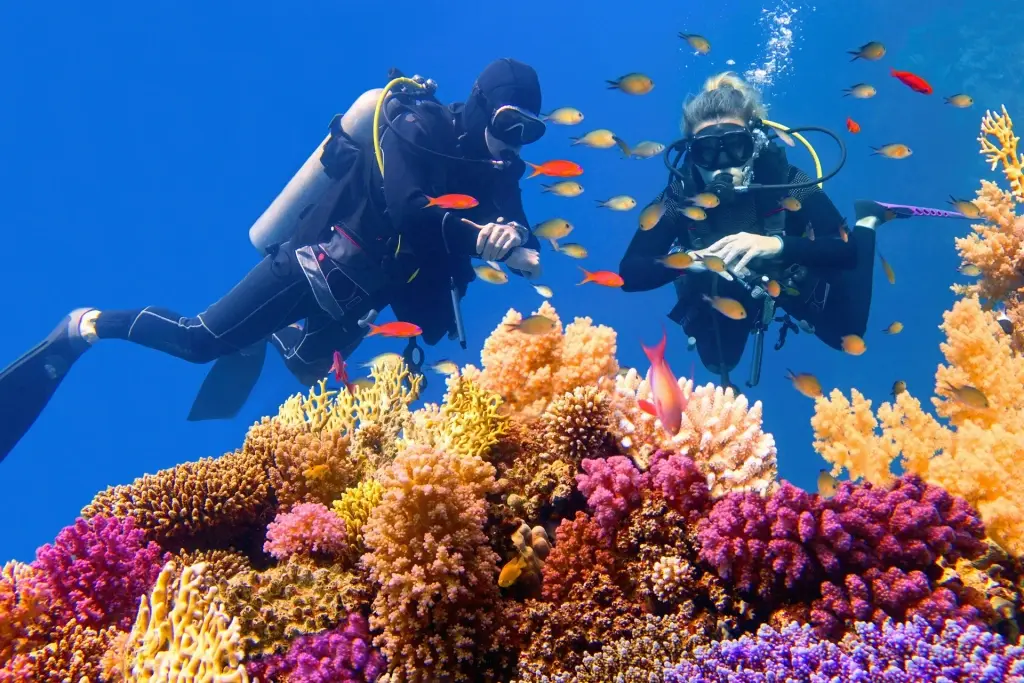
Our travel consultants are all qualified divers, so they know exactly what it's like to learn to dive. Several are also experienced dive instructors, giving them first-hand experience helping others take their first steps underwater. So if you're wondering what to expect when learning to dive, you're in expert hands! Contact our team to find out more about our learn to dive holidays.
You may be interested in...

Dive Courses
Learn to Dive
Diving is your passport to a world of discovery. Dive in to something new today on a learn to dive holiday with Regaldive.

Egypt – Red Sea
Learn to Dive Hurghada
Embark on a top diving course in Hurghada & learn how to dive in Egypt's Red Sea on holiday. This is your gateway to discovering…
8 days from £1,450

Egypt – Red Sea
Learn to Dive Sharm el Sheikh
Dive into the vibrant waters of Sharm El Sheikh as you learn how to scuba dive. Start your underwater adventure in one of the…
8 days from £1,195

Egypt – Red Sea
Learn to Dive Soma Bay
Learn how to scuba dive in Soma Bay, south of Hurghada. This Red Sea learn to dive holiday in Egypt is perfect for people who…
8 days from £1,550

Thailand
Learn to Dive in Thailand
A destination of sun, sea and friendly smiles, Thailand is the ideal destination to learn to dive, and to start to experience…
10 days from £1,795
Blog
Top 10 Places to Learn to Dive
Here, we give our tips on the top ten places for diving for beginners.
Enquire about this blog
Speak to an expert. Call 01353 659999 Send Enquiry